Best Low Profile XLR Cables for Tight Spaces and Clean Signals
Answering the question: which low-profile XLR cables deliver reliable performance in tight spaces? This guide highlights five practical picks for camera rigs, stage setups, and studio work. Each product is suited for different user needs—compact rigs, cable routing in cages, or quick-connect setups with durable construction. The top picks emphasize adjustable angles, robust shielding, and space-saving design to minimize strain and signal noise in confined environments.
| Product | Best For | Length | Notes |
|---|---|---|---|
| Devinal Rotatable Right-Angle XLR Cable (0.8 ft, 2 pcs) | Compact setups, tight racks | 0.8 ft | 135° adjustable per side |
| KONDOR BLUE 12–24 Inch Coiled Low Profile XLR Cable | Camera rigs, cages, dynamic layouts | 12–24 in | Full-size XLR with adjustable angle |
| Kicada 1.3 ft XLR Cable | Stage, studio, versatile spacing | 1.3 ft | Multi-layer shielding, Allen wrench for rotation |
| HiFind Ultra-Thin 1 Ft 2-Pack XLR Cables | Ultra-tight spaces, quick organization | 1 ft | 90°/135° rotatable, multi-shielding |
| Cable Matters 2-Pack Right Angle XLR Cable (1 ft) | Budget and two-cable needs | 1 ft | OFC conductors, heavy-duty shielding |
Devinal Rotatable Right-Angle XLR Cable 0.8 ft

Best for tight racks and crowded setups. The adjustable right-angle XLR male connectors rotate ±135°, enabling clean routing in confined spaces without disassembling cables. The nylon braided jacket adds durability, and oxygen-free copper conductors support clear signal transfer. The cable uses 1.6 PVC insulation and a high-density copper shield to reduce noise. Caution: rotate gradually to avoid stressing internal conductors.
KONDOR BLUE 12–24 Inch Coiled Low Profile XLR Cable
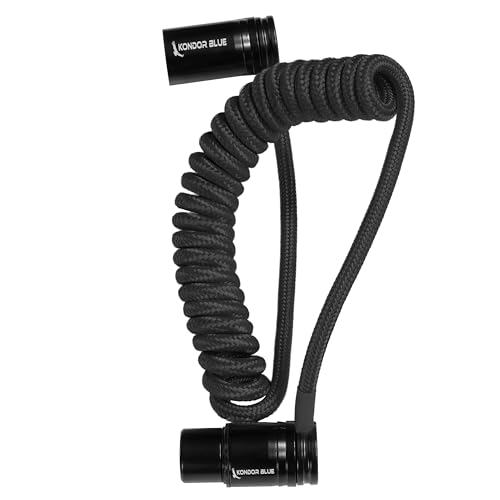
Better for camera rigs and equipment cages where space is at a premium. This 3-pin XLR cable features adjustable angle connectors to improve clearance around accessories. It provides standard balanced audio connections suitable for cameras, mixers, and recorders. Best for clean routing in tight setups; avoid this if you need extremely long runs without re-routing.
Kicada 1.3Ft XLR Male to Female Cable

Choose this for versatile stage and studio use where space and shielded signal integrity matter. The cable uses multi-layer shielding and OFC conductors to reduce hum and interference. A full metal shell and a rotating Allen-wrench feature allow quick angle adjustments for easy port access. Limitation: rotation is user-enabled via tool and may require occasional tightening.
HiFind Ultra-Thin Slim 1 Ft XLR Cables (2-Pack)
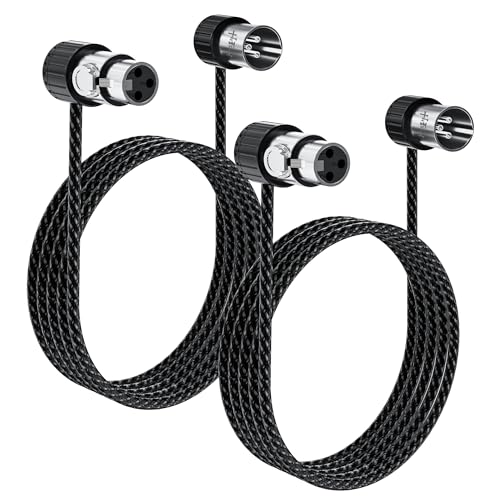
Best for ultra-tight spaces where a slim profile matters. The 90-degree connectors reduce bulk at the connection point, while a rotatable 135° terminal provides flexible routing and reduces twist stress. The 24 AWG OFC conductors and dual-layer shielding (aluminum foil + copper braid) help maintain signal quality. Caution: overly aggressive bending can still wear the cable jacket over time.
Cable Matters 2-Pack Right Angle XLR Cable (1 ft)

Good value and reliable for professional setups with limited space. These cables use OFC conductors with a copper braided shield and polyethylene insulation to deliver clear, balanced audio. The 90-degree connectors and molded strain relief improve durability in frequently plugged-in environments. Best for budget-conscious buyers needing multiple short runs; avoid if you require extended lengths without re-terminating.
Buying Guide: Low Profile XLR Cables
What should you consider when choosing a low-profile XLR cable?
- Angle and bend radius: Look for adjustable or 90°/135° connectors to fit tight gaps without stressing the cord.
- Shielding and conductors: Multi-layer shielding (aluminum foil and copper braid) and OFC conductors reduce RF/EMI noise for clearer signals.
- Jacket material and durability: Nylon braided or similar jackets resist wear in busy rigs and stages.
- Length and flexibility: Short lengths save space but ensure adequate reach for your setup; consider coiled options for cameras.
- Connectors and locking: Stable connectors with secure locks prevent accidental unplugging in busy environments.
FAQ
- What is a low-profile XLR cable?
– A cable with space-saving connectors (often right-angle or compact bodies) designed to reduce bulk in tight installations. - When should I choose a rotatable XLR cable?
– When routing around crowded gear or cages where straight cables would clash with equipment or racks. - Are 1 ft cables suitable for studio use?
– Yes, for close-quarter setups, patch bays, or short runs between devices; longer runs may require careful routing. - How important is shielding in noisy environments?
– Very important; shielding minimizes hum and interference in RF-rich environments like studios and stages. - Is rotation limited on all adjustable cables?
– Many have a practical rotation limit (often around ±135°) to protect internal conductors; check product details. - Do two-pack or multi-pack cables offer a better value?
– Often yes for setups requiring multiple short cables or for backups in busy rigs.