
Best Low Tension Ukulele Strings for Tenor
Looking for low tension ukulele strings that preserve a bright tone while making fretting easier on a tenor? This guide highlights five top options, each suited to different playing styles and skill levels. The selections emphasize stable tuning, comfortable playability, and clear projection for American players seeking a balanced, low-tension feel. Ideal buyers include beginners seeking softer finger pressure, players with a preference for modern, bright tones, and performers who value tuning stability under varied conditions.
Summary of chosen products
| Product | Brand | Type | Best For |
|---|---|---|---|
| D’Addario Ukulele Strings Fluorocarbon Tenor EJ99TLG Low-G | D’Addario | Fluorocarbon, low-G tension | Tenor players seeking bright, modern tone with precise intonation |
| Martin Ukulele Fluorocarbon Tenor Set | MARTIN | Fluorocarbon, tenor | Players wanting warm, clear tone with long tuning stability |
| Aquila AQ-107 Tenor Low G Nylon | Aquila | Nylon, low-G | Players desiring stability and smooth feel with modern comfort |
| Aquila AQ-15 Tenor Low G Nylon | Aquila | Nylon, low-G | Professionals and hobbyists needing rich tone and stable tuning |
| Ernie Ball Nylon Wound G Concert & Tenor | Ernie Ball | Nylon wound low-G | Players wanting a traditional feel with strong low-end |
D’Addario Fluorocarbon Low-G Tenor Strings — EJ99TLG
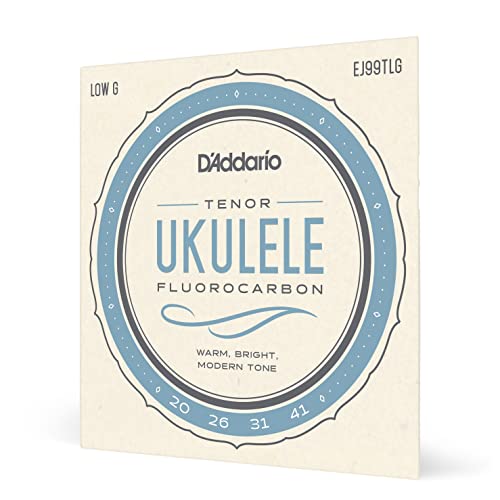
These fluorocarbon strings are optimized for tenor ukuleles tuned to Low-G. They offer unsurpassed intonation and a bright, modern tone. The Pro-Arté construction focuses on consistent wake-free tuning stability and a clean playing feel. Best for players who want precise pitch across the fretboard and a crisp overall brightness.
Who it’s best for: Tenor players who play Low-G and want reliable intonation plus a lively voice. Why selected: the combination of improved intonation and a bright tonal character aligns with modern playing styles. Caution: tuning stability may vary with extreme humidity if not properly stored.
Martin Fluorocarbon Tenor Ukulele Strings

Martin’s fluorocarbon set emphasizes warmth with clear projection and long-lasting tuning stability. The strings are designed for tenor ukuleles and deliver a comfortable playing feel that can suit a wide range of musical genres—from soft ballads to bright, rhythmic strumming.
Who it’s best for: Players seeking a warm but articulate tone with dependable tuning. Why selected: Martin’s reputation for consistency and tone makes this a strong all-around tenor option. Caution: warmer tones may feel slightly less punchy in high-energy, bright-strumming contexts.
Jinlop Nylon Strings Kit with Chord Chart

This nylon strings kit includes three sets of strings, a chord chart, and picks. The nylon construction with a low-G setup provides an easy-feel family of strings for beginners who need a complete restringing kit in one purchase. Best for learners and players who want quick setup with learning aids.
Who it’s best for: Beginners or budget-conscious players starting on tenor. Why selected: value-packed with teaching aids and multiple sets, making it a practical entry option. Caution: nylon strings can have a brighter or mellower feel depending on humidity; users may tune differently as strings settle in.
Aquila AQ-107 Tenor Low G Strings
Ultralight Agua AQ-107 strings use a modern fluorocarbon-like composition that yields stable tuning and a bright, projecting voice. The low-G setup helps with a more expansive lower register while maintaining clarity across the fretboard. Best for players who want low tension with precise tuning stability.
Who it’s best for: Tenor players seeking a smooth, bright voice with dependable tuning. Why selected: Aquila’s synthetic core and low tension approach deliver consistent feel and pitch stability. Caution: color-coded tonal differences may be subtler than traditional phosphor-bronze or nylon sets for some players.
Aquila Red Series AQ-86 Concert/Low-G Nylon
Aquila Red Series offers a brighter tone with a comfortable playing feel, and moisture-resistant construction helps keep tuning stable in varying climates. Though marketed as concert strings, their low-G setup makes them a strong match for tenor players who want a more vibrant response with good sustain. Best for players prioritizing brightness and comfort.
Who it’s best for: Players who value a lively voice and solid tuning across humidity changes. Why selected: excellent balance between brightness, playability, and tuning stability. Caution: tension may feel higher to players used to softer nylon sets at lighter gauges.
Aquila New Nylgut AQ-15 Tenor Low G

New Nylgut strings aim to deliver a richer tonal character with improved projection and stability. The low-G setup supports even tuning across the fretboard while maintaining a feel that’s smooth on the fingertips. Best for players who want a more professional voice from nylon strings.
Who it’s best for: Tenor players seeking a richer nylon tone with reliable tuning. Why selected: Nylgut technology emphasizes stability, tone, and a natural feel. Caution: some players may notice a mellower high end compared to fluorocarbon sets.
Buying Guide: Key Considerations For Low Tension Ukulele Strings
What matters most when choosing low tension strings for tenor ukuleles?
- Material and tension: Fluorocarbon and nylon sets offer different feels and tones. Fluorocarbon tends to be brighter with precise intonation, while nylon provides smoother playability and warmth. Low tension reduces finger fatigue and aids beginners.
- Tone and projection: Decide between bright, crisp tones or a warmer, fuller voice. Consider the musical context you play in—practice, studio, or stage.
- Tuning stability: Look for sets marketed as stable under humidity changes and extended playing, especially for outdoor or rehearsal environments.
- Playability: Gauge how easy the strings feel under the fingers. Beginners often prefer softer, low-tension options; advanced players may prioritize dynamic response and sustain.
- Compatibility: Confirm that the selected strings are designed for tenor ukuleles and Low-G tuning if that’s your setup.
FAQ
- Q: What is Low-G tuning and why use it?
- A: Low-G uses a heavier G string to broaden the lower range and produce a fuller tone. It often requires strings designed for low tension to maintain comfortable playability.
- Q: Are fluorocarbon strings better than nylon for tenor ukuleles?
- A: Fluorocarbon strings typically offer brighter tone and stronger intonation, while nylon strings provide smoother feel and a warmer voice. Both can perform well with low tension setups.
- Q: How often should I restring with low-tension sets?
- A: Strings generally last longer in terms of tone stability, but personal playing style and environment affect longevity. Re-string when tone or intonation noticeably deteriorates.
- Q: Can I mix brands for a tenor with Low-G?
- A: Mixing brands can yield uneven tone and tension; it’s best to choose a set designed for Low-G and tenor for a cohesive voice.
- Q: Do nylon sets require more tuning stability than fluorocarbon sets?
- A: Not necessarily; tuning stability depends on string construction and material. Nylon sets with modern formulations can be very stable, especially in low-G configurations.