
Short Intro: Choosing the right male-to-male speaker cable depends on connector type, gauge, length, and application (consumer aux, pro Speakon, RCA, or bare-wire DIY). Below is a quick comparison table of the five selected options from the provided list to help you match cable type to use case.
| Product | Connector Type | Best For |
|---|---|---|
| Syncwire 3.5mm Nylon Braided Aux Cable | 3.5mm TRS Male–Male | Phones, car, portable speakers, headphones |
| CableCreation 3.5mm Cable (6FT) | 3.5mm TRS Male–Male | Longer run for car/backseat use, home audio |
| JSAUX RCA To 3.5mm Cable (6.6ft) | 3.5mm TRS Male To Dual RCA | Connecting phones/tablets to stereo/TV/amplifier |
| Yuyaokk 10 ft Male Speakon To Speakon | NL4 Speakon Male–Male | High-power pro audio: amps to speakers/subs |
| SIOCEN 3.5mm Male To Bare Wire (2-Pack) | 3.5mm Mono Male To Bare Wire | Repairs, DIY speaker/PA/trigger wiring |
Syncwire 3.5mm Nylon Braided Aux Cable (3.3ft)
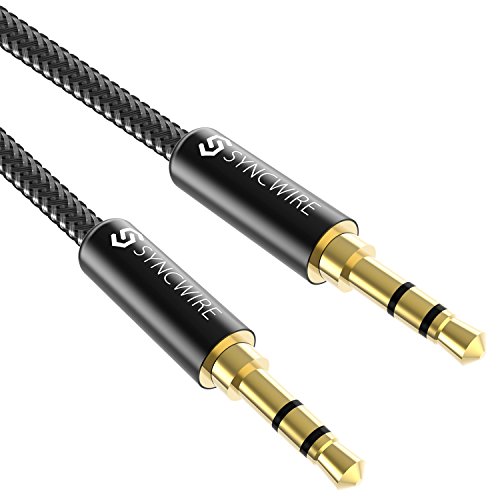
This 3.5mm male-to-male aux cord offers universal compatibility with devices that use a standard aux jack. Features include 24K gold-plated connectors for reduced signal loss and improved corrosion resistance. The nylon braided jacket and rated 15,000+ bend lifespan provide enhanced durability and tangle resistance. Recommended where a short, robust aux connection is needed for phones, car stereos, portable speakers, or headphones.
CableCreation 3.5mm Audio Cable (6FT)
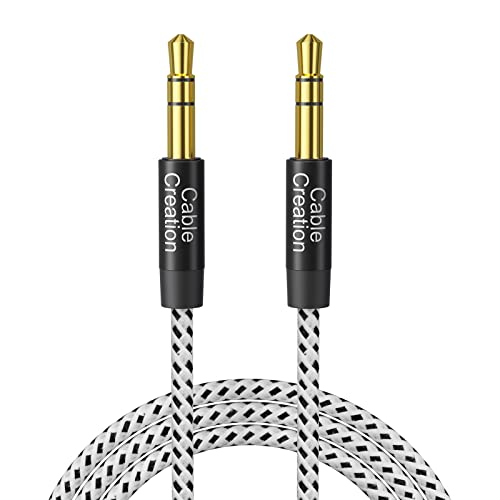
This 6ft male-to-male 3.5mm cord gives extra reach for in-car or backseat use and keeps slack manageable for front-seat installs. It uses a cotton braided jacket (10,000+ bend lifespan), 24K gold-plated connectors, and an aluminum alloy shell for connector durability. Ideal when you need a longer aux run without sacrificing signal quality for smartphones, tablets, or portable audio players.
JSAUX RCA To 3.5mm Cable 6.6ft

This bi-directional 3.5mm-to-RCA cable is designed to connect phones or tablets to stereo receivers, amplifiers, or TVs. It features dual shielding, gold-plated connectors, and oxygen-free copper conductors to reduce interference and preserve stereo separation. Use this when your speaker or receiver accepts RCA inputs and you want a stable, stereo aux-to-RCA link.
Yuyaokk 10 ft Male Speakon To Speakon Cables

This Speakon NL4 male-to-male cable is built for professional, high-power speaker and amplifier connections. Constructed with full copper conductors and heavy-duty PVC jacket, it’s intended for stage monitors, powered speakers, and subwoofers. The twist-lock Speakon connectors provide secure, low-resistance connections suitable for higher current and pro audio setups where safety and durability are critical.
SIOCEN 3.5mm Male Jack To Bare Wire Open End (2-Pack)

These 3.5mm mono male-to-bare-wire leads are tailored for repair, DIY speaker wiring, and trigger/control uses. The wiring diagram identifies red as the audio (PIN 1) and black as ground (PIN 2). Useful when fabricating custom terminations, connecting to terminal blocks, or repairing damaged cables where you need an exposed end for soldering or clamp connections.
Buying Guide: How To Choose The Right Male-To-Male Speaker Cable
Selecting the correct cable requires matching several technical and practical factors to your setup. Below are key considerations and comparison perspectives.
Connector Type And Compatibility
- 3.5mm TRS (Aux) — Standard for phones, laptops, portable speakers. Use for low-power stereo line-level signals.
- RCA — Common on AV receivers and many home stereo systems. Use a 3.5mm-to-RCA Y cable for source-to-amplifier connections.
- Speakon NL4 — Designed for pro audio and high-current speaker connections; not compatible with consumer speaker terminals.
- Bare Wire / Open End — Best for DIY, repairs, or connecting to screw terminals and binding posts. Ensure correct polarity.
Cable Gauge And Signal Type
- Line-Level Signals (3.5mm, RCA): Thin conductors are usually sufficient; focus on shielding, connector plating, and build quality to reduce noise and loss.
- Speaker-Level / High Power (Speakon, bare wire): Use thicker gauge (lower AWG) to reduce resistance and heat. Pro cables like NL4 and 12–14 AWG are common for powered speakers and subs.
Length And Flexibility
- Longer runs increase capacitance and potential signal loss at high frequencies; keep lengths appropriate to the application.
- For portable use, shorter or braided cables reduce tangling. For installation, choose flexible jackets and strain reliefs for durability.
Shielding And Noise Rejection
- Dual or braided shielding helps prevent interference from power lines and RF sources, important for line-level cables near other electronics.
- For long aux or RCA runs in living spaces, prioritize shielded designs with gold-plated connectors.
Connector Plating And Build Quality
- Gold-Plated Contacts reduce corrosion and maintain contact quality over time.
- Solid metal shells and reinforced strain relief reduce connector failure under repeated use.
Application Scenarios
- Casual Listening / Phone To Car — 3.5mm male-to-male braided cables (like Syncwire or CableCreation) prioritize durability and portability.
- Home AV To Receiver — 3.5mm-to-RCA Y cables with shielding (like JSAUX) provide stereo to receiver connections.
- Pro Audio / Live Sound — Speakon-to-Speakon cables (Yuyaokk) and appropriate gauge minimize power loss and ensure safe, locked connections.
- DIY Repair Or Custom Wiring — Open-end cables or male-to-bare-wire leads (SIOCEN) allow soldering and terminal connections; confirm wire polarity before powering.
Safety And Installation Tips
- Match polarity when connecting bare-wire or two-conductor speaker leads to avoid phase issues.
- Use proper strain relief and avoid sharp bends at connectors to extend cable life.
- For high-power setups, ensure connectors and cable gauge are rated for the amplifier’s output to prevent overheating.