Best Meeting Room Speaker System for Modern Hybrid Teams
Choosing the right meeting room speaker system can boost collaboration in small to mid-size spaces. This guide highlights five strong options with clear audio, wide coverage, and simple setup for PC, Mac, and cloud-based platforms. Each entry focuses on real-world usability, including microphone pickup range, ease of use, and compatibility with common conferencing software.
Summary of chosen products
- Logitech MeetUp Video Conferencing System
- Owl Labs Meeting Owl 3
- Anker PowerConf S500
- Bose Professional VB-S
- TONGVEO All-in-One Conference Room System Bundle
Note: All products are evaluated for small to medium meeting rooms, ease of deployment, and reliable compatibility with popular platforms like Zoom, Google Meet, and Microsoft Teams. The list emphasizes audio pickup, ease of installation, and overall value for hybrid teams.
Logitech MeetUp All-in-One Conference System
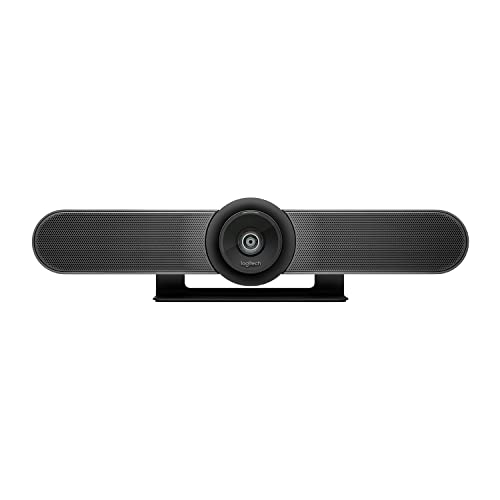
The Logitech MeetUp is designed for small huddle rooms and offers an all-in-one form factor that simplifies setup. It features a Ultra HD 4K sensor, a wide 120° field of view, and a 5x HD zoom to keep participants clearly visible. The beamforming microphones pick up voices from up to four meters away, and additional expansion mics can extend the pickup range. This system is compatible with PC and Mac setups, making it a straightforward choice for teams using common collaboration software.
Owl Labs Meeting Owl 3

The Meeting Owl 3 provides a 360° view with 1080p HD video and 360° audio coverage up to 18 feet. Its AI-driven speaker-tracking focuses on the active speaker, helping remote participants feel more connected. The device is designed for plug-and-play setup and easy IT management through a central tool. It works with major platforms like Microsoft Teams, Zoom, and Google Meet, making it a solid option for mixed-device environments.
Anker PowerConf S500 Conference Speakerphone

The Anker PowerConf S500 delivers 360° coverage with a four-mike array and 32 kHz sampling for clear voice pickup. It carries Zoom Rooms and Google Meet certification for reliable compatibility. The device supports full-duplex audio and automatic volume balancing, ensuring conversations remain natural and balanced even as participants move around the room. USB-C connectivity provides straightforward wired setup for most meeting rooms.
Bose Professional VB-S All-in-One System

Bose Professional VB-S combines an all-in-one HD camera, a high-fidelity Bluetooth speaker, and a noise-reducing microphone array. The 4K Ultra HD camera with digital PTZ and auto-framing modes helps keep remote participants engaged. The system supports Bluetooth for mobile streaming and calls, making it a versatile option for formal meeting rooms that want premium audio and visual quality in one package.
TONGVEO All-in-One Conference Room Bundle

The TONGVEO All-in-One Bundle combines a HD 1080p PTZ camera with a Bluetooth conference speaker. This compact design supports a 16.4-foot microphone pickup range and USB/Bluetooth connections with a long-lasting built-in battery. The system is optimized for small-to-medium conference rooms and is compatible with Zoom, YouTube, Teams, and other platforms, offering a practical plug-and-play experience for teams seeking an integrated video and audio setup.
Buying Guide: Key Considerations For Meeting Room Systems
- Room size and coverage: Choose systems with microphone pickup ranges and speaker layouts that fit your room’s dimensions. Wide-angle video and 360° audio are helpful for small to medium spaces.
- Platform compatibility: Verify compatibility with Zoom, Microsoft Teams, Google Meet, and your preferred software. Certifications can simplify deployment and reliability.
- All-in-one vs modular: All-in-one units simplify setup and reduce cables, while modular kits offer flexibility for upgrades and expansion as rooms evolve.
- Audio quality features: Look for beamforming or multiple mics for clear voice pickup, echo cancellation, noise reduction, and automatic volume leveling for balanced sound.
- Video quality and zoom: Consider cameras with 1080p or 4K sensors, PTZ controls, and auto-framing features to keep participants in frame during remote sessions.
- Ease of deployment: Plug-and-play setups, simple management tools, and remote administration can save IT time in larger deployments.
- Connectivity: USB-C, USB 3.0, Bluetooth, and dongle options affect compatibility with laptops and conference room gear. Ensure the chosen system supports your existing hardware.
- Power and portability: Battery-powered options are convenient in spaces lacking outlets, while cable-based systems may offer steadier performance for fixed rooms.
- Future-proofing: Look for features or upgrade paths that accommodate evolving collaboration tools and higher video resolutions.
- Budget and value: Weigh the total cost of ownership, including potential expansion mics, software licenses, and reliability across daily use.
Additional Considerations In Depth
For mixed-ecosystem environments, prioritize devices that perform well across platforms and offer straightforward IT management. AI-assisted features like speaker-tracking and noise suppression are beneficial in rooms with multiple active speakers or challenging acoustics. When room aesthetics and cable management matter, all-in-one solutions can reduce clutter and simplify maintenance. Finally, test scenarios such as large group participation, remote presenter integration, and screen sharing to ensure your chosen system meets day-to-day needs without requiring frequent adjustments.