
Best Monitor Speakers for Guitar: Top Picks for Practice, Recording, and Live Rehearsal
Answering the needs of guitar players seeking clear on-stage and in-studio monitoring, this guide highlights five practical monitor speaker options. The best picks cover compact personal monitors, near-field studio monitors, and portable PA speakers. Suitable buyers include home studio hobbyists, solo performers, small bands, and practice spaces. The table below summarizes key details to compare at a glance.
| Product | Type | Best For | Key Strength |
|---|---|---|---|
| ALTO TX408 | Powered PA Speaker | Small venues, band monitoring | High power, compact footprint |
| PreSonus Eris 3.5 | Studio Monitors | Home studios, mixing, gaming | Clear, balanced sound |
| Coolmusic DM20 | Personal Monitor Amplifier | Practice rooms, keyboard/drum practice | Bluetooth/USB playback, portable |
| Edifier R1280T | Powered Bookshelf | Desktop setups, casual listening | Versatile inputs, easy controls |
| JBL 305P MkII | Studio Monitors | Professional home studios | Wide image, accurate sound |
ALTO TX408 350W 8″ Powered PA Speaker

The ALTO TX408 is a compact powered speaker designed for on-stage monitoring and small venues. It delivers 350W bi-amplified power with clear, detailed sound at high volumes. Best for guitarists needing a reliable stage monitor or a compact practice amp that travels well.
Who it’s best for: small bands, DJs, or solo guitarists performing in intimate spaces who require strong on-stage monitoring with simple setup.
Why chosen: Its combination of wattage, compact form factor, and Bluetooth streaming makes it flexible for both live monitoring and background playback during practice. It supports two simultaneous audio sources, which helps when you want a mic and backing track at once.
Limitation: Larger rooms may require additional coverage or a second monitor for full stage sound distribution.
PreSonus Eris 3.5 Powered Studio Monitors, Pair

The Eris 3.5 pair provides true studio-grade sound with 50 watts total power and distortion-free performance. The 3.5″ woofers and 1″ silk-dome tweeters deliver balanced highs and clear mids, suitable for home recording, mixing, and casual listening in guitar practice setups.
Who it’s best for: home studio owners, gamers, and streamers who need accurate monitoring without large footprints.
Why chosen: This pair emphasizes accuracy and detail in a compact format, making it a natural fit for guitarists who want reliable reference monitoring while editing takes or practicing.
Limitation: Not designed for large rooms or loud stage monitoring; best in near-field setups or small studios.
Coolmusic DM20 20W Bluetooth Personal Monitor Amplifier
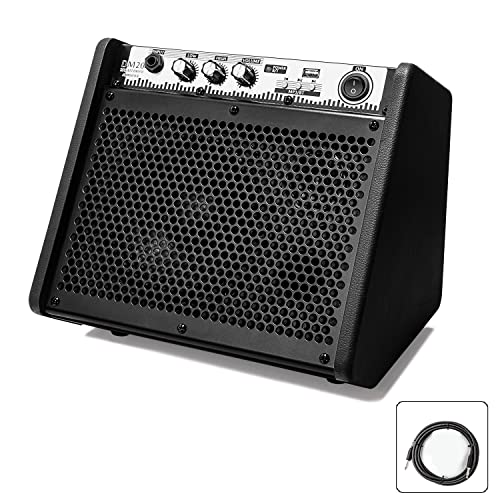
The DM20 is a compact practice-oriented monitor with Bluetooth and USB playback, plus a 6.5″ woofer and 2.5″ tweeter for balanced sound. It’s well-suited for daily practice with electronic drums, keyboards, or small ensembles.
Who it’s best for: individual players or small setups needing a portable, all-in-one practice monitor with easy playback options.
Why chosen: The built-in Bluetooth and USB, along with dedicated tone controls, provide flexible tone shaping and convenient playback for practice sessions.
Limitation: At 20W, it’s not intended for loud gigs or large rehearsal spaces.
Edifier R1280T Powered Bookshelf Speakers
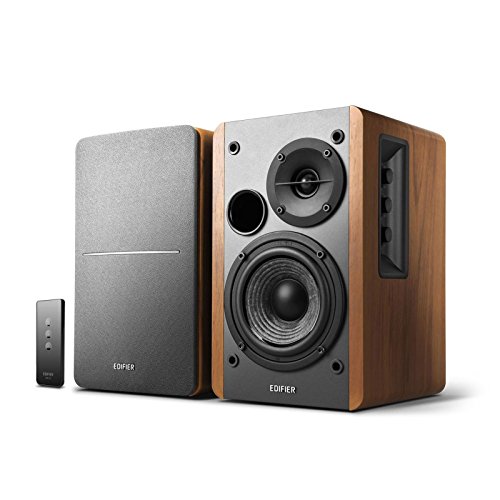
The Edifier R1280T offers stereo desktop listening with two AUX inputs, allowing easy connection to multiple devices. The 13mm silk dome tweeter and 4″ woofer deliver natural, balanced sound with simple bass and treble controls for tonal adjustments.
Who it’s best for: desktop studios, practice spaces, or casual setups where easy input switching matters more than ultra-precise monitoring.
Why chosen: Its versatile inputs and remote-style controls provide flexible monitoring for guitar practice and small project setups.
Limitation: Not a dedicated studio monitor; bass can be less tight for critical tracking compared to true reference monitors.
JBL 305P MkII 5″ Studio Monitors

The JBL 305P MkII delivers crystal-clear imaging and a wide sweet spot via its Image Control Waveguide. A 5″ woofer with dual 41-watt Class-D amplifiers provides dynamic, accurate sound suitable for music production, mixing, and podcasting.
Who it’s best for: serious home studios and guitarists who need accurate stereo imaging and a professional reference for recordings.
Why chosen: The wide, precise soundstage helps with mixing guitar parts, ensuring accurate pan and depth in both practice and production contexts.
Limitation: Some users may prefer larger-format monitors for bigger rooms or more extended low-end extension.
Buying Guide: Key Considerations For Monitor Speakers For Guitar
- Room size and listening distance: Near-field monitors reduce room reflections; PA speakers cover larger spaces but may require placement planning to avoid feedback.
- Purpose: Studio monitors are ideal for recording and mixing; powered PA speakers excel at live monitoring; personal monitors suit practice and portable use.
- Power and headroom: More wattage helps in loud practice or small venues, but clean headroom matters more than peak power.
- Frequency response and imaging: Flat, accurate response helps with guitar tones; wide imaging improves stereo placement during mixing or rehearsal.
- Connectivity: Balance between Bluetooth, USB, AUX, and line-level inputs affects workflow with guitars, metronomes, and backing tracks.
- Durability and setup: Compact monitors on stands or desktop use should be stable; consider pole mounts or desk isolation for better sound.
Frequently Asked Questions
- Do I need powered monitors for guitar practice? Powered monitors simplify setup and reduce cabling by integrating amplification and input handling in one unit.
- What’s the difference between studio monitors and PA speakers? Studio monitors focus on accurate reproduction for recording and mixing, while PA speakers emphasize loud, clear sound for live listening and performance.
- Is Bluetooth enough for practice? Bluetooth is convenient but may add latency or compression; for tight timing and accurate monitoring, wired connections are preferred.
- How many monitors should I use? A single near-field monitor is common for small spaces; two monitors provide better stereo width and depth for mixing and rehearsals.
- Can I use bookshelf speakers for guitar recording? Yes, if they offer a flat enough response and proper room treatment; for critical tracking, dedicated studio monitors are advised.
- What should I consider when choosing a monitor for live gigs? Look for higher power handling, robust build, and good coverage angles to ensure consistent sound for the guitarist and audience.