
Best New Electric Guitar Strings for Clear Tone and Playability
Finding the right electric guitar strings can improve tone, intonation, and playability. This guide highlights five popular options, each suited to different playing styles and needs. Best for versatile players seeking reliable sustain; best for bright, long-lasting tone; best for beginners; best for shredders; best for balanced feel with sturdy construction. The table below helps you compare core details at a glance.
| Product | Gauge / Type | Brand | Best For |
|---|---|---|---|
| Ernie Ball Regular Slinky 10-46 (P03221) | 10-46 | Ernie Ball | All-around players; classic feel |
| Elixir Nickel Plated NANOWEB 10-46 | 10-46 | Elixir | Long-lasting tone; coated feel |
| D’Addario XL Nickel EXL110-3D 10-46 | 10-46 | D’Addario | Consistent intonation; versatile |
| Ernie Ball Skinny Top Heavy Bottom 10-52 | 10-52 | Ernie Ball | Shredding plus thick rhythm |
| HAVENDI 6-String Coated Nickel Electric Strings | 6-string set | Havendi | Brilliant, smooth playability |
Ernie Ball Regular Slinky Nickel Wound Strings (10-46)

Best for players seeking a traditional feel and widely used gauge. These regular Slinkies are standard across many genres and known for consistency. The 10-46 set is a long-standing industry favorite and is often chosen by pros for diverse styles. Best for: players who want reliable performance in everyday playing, from blues to rock. Limitation: not the longest-lasting coated option, which may require more frequent changing for players with sweaty hands.
Ernie Ball Regular Slinky 10-46 (P02221)

Best for traditional tone and a broad audience of players. This 10-46 gauge remains one of the most widely used set configurations. Element Shield Packaging helps preserve string life and freshness. Best for: players who want dependable, universal-sounding strings across genres. Caution: packaging claims durability; real-world longevity can vary with playing style and sweat level.
HAVENDI Electric Guitar Strings – 6-String Set

Best for players seeking a modern, smooth playing feel with German design influence. Havendi emphasizes durability and tuning stability, aiming to deliver a balanced, clear tone across frets. Best for: players who want a fresh, comfortable playing experience with reliable stability. Limitation: this option may appeal to newer players or those curious about European-designed gear; long-term preferences vary by player.
Elixir Electric Guitar Strings Nickel NANOWEB 10-46
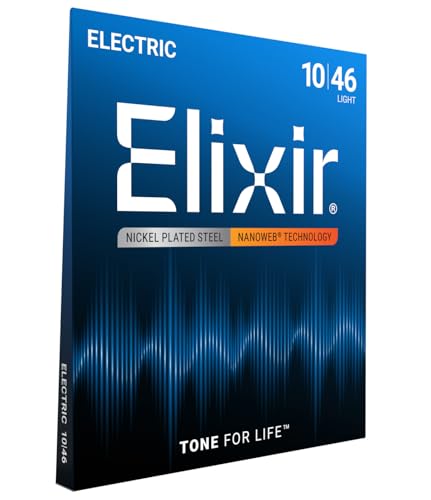
Best for players who want longer-lasting tone with a smooth feel. Elixir NANOWEB strings are nickel-plated steel with a proprietary coating technology that helps resist corrosion. This results in brighter tone and less frequent string changes for many players. Best for: performers and recording players who want consistent tone over time. Caution: coatings can affect initial brightness perceived by some players, though many appreciate the extended life.
Ernie Ball Super Slinky 9-42

Best for players who want a classic light-to-regular gauge that balances ease of play with bright output. The 9-42 gauge is one of the original Slinky options and remains popular among players who enjoy faster fretwork and easier bending. Best for: shredders and players seeking a legacy feel. Limitation: lighter gauges can break sooner if aggressive picking is used or if the guitar has a high action.
Buying Guide: Key Purchase Considerations
What gauge should you choose? Lighter gauges (e.g., 9-42 or 10-46) are easier to play for beginners and players who do a lot of bending, while heavier gauges (e.g., 10-52) offer thicker tone and more stability for rhythm work. Do you want coated or uncoated strings? Coated strings last longer and resist corrosion, but some players feel they don’t sound as bright as uncoated strings initially. How often do you play and sweat? Coated strings may be a better fit for high-sweat players or frequent players. Do you care about longevity versus bright tone at install? Brands like Elixir emphasize long life, while others focus on classic tone. Is tonal versatility important? Sets like 10-46 are widely adaptable across genres. Consider your playing style, guitar type, and maintenance routine when choosing a set.
What matters most for your guitar setup?
- Tone preference: bright vs. balanced vs. warm
- Playing style: lead (shred), rhythm, blues, metal
- Maintenance: coating longevity vs. initial brightness
- Guitar scale and tension: thicker gauges require more tension
Frequently Asked Questions
- What are the most common electric guitar string gauges?
– Most players use 9-42, 10-46, or 9-46 as standard gauges for versatile playability. - Do coated strings last longer?
– Yes, coated strings resist corrosion and can last longer, though some players perceive slight changes in brightness. - Which brand is best for metal players?
– Ernie Ball Slinkys and D’Addario XL are popular among many metal players for stability and tone. - Should beginners start with lighter gauges?
– Lighter gauges are easier to press and play, which helps beginners build speed and accuracy. - Are there benefits to nickel-wound versus phosphor bronze?
– Nickel-wound strings are standard for electric guitars and offer bright, sustaining tone; phosphor bronze is for acoustics.
In sum, the right string set depends on your playing style, guitar setup, and tone goals. The five options above cover a broad spectrum from classic, versatile sets to coated longevity or high-output gauges for more aggressive playing. Use the buying guide questions to match a set to your needs and try a different brand if your tone or feel isn’t meeting expectations.