
Best Noise Cancelling Condenser Microphones for Clear Voice Recording
Answering the search for a noise cancelling condenser microphone, this guide highlights five top USB condenser mics that minimize background noise while preserving vocal clarity. These picks suit podcasters, streamers, remote workers, and content creators who need clean, professional sound with minimal setup. Each option emphasizes noise reduction, ease of use, and direct USB connectivity. Below, compare who each mic is best for and why it stands out.
The products below were selected for strong noise-cancelling capabilities, straightforward control features, and practical versatility across home studios, gaming, podcasts, and streaming. For quick reference, see the summary table of selected products.
| Product | Best for | |
|---|---|---|
| CMTECK G009 USB Computer Microphone | Omnidirectional, CCS2.0 smart chip, mute button with LED | |
| MAONO DGM20S Gaming Microphone | One-click noise reduction, cardioid pattern, RGB lighting | gamers and streamers seeking simple control |
| ZealSound K66 USB Podcast Microphone | AI noise reduction modes, wide compatibility, plug-and-play | podcasters and content creators on multiple platforms |
| NEEWER UM01 AI Noise Canceling USB Mic | AI noise reduction, metal body, 2-in-1 USB C/A | multiplatform creators and students |
| AI noise reduction, omnidirectional pickup | virtual meetings and group calls |
CMTECK G009 USB Computer Microphone

The CMTECK G009 uses an omnidirectional condenser capsule with a CCS2.0 smart chip to help block background noise. It includes a convenient mute button and LED indicator to signal status. Best for online classrooms, dictation, and home recording where background sound is a concern. Consider this if you need a simple setup that prioritizes clear voice capture in quiet or moderately noisy environments. Caution: omnidirectional pickup may capture more room noise in larger spaces.
MAONO DGM20S Gaming Microphone

The DGM20S focuses on gaming voice with a one-click noise reduction feature and a cardioid pickup pattern to minimize ambient noise. It supports software-assisted noise control on Windows and includes RGB lighting for atmosphere. This mic is best for gamers and streamers who want quick noise suppression without navigating complex software. Better for real-time team chats than for a loud, shared studio environment. Limitation: noise reduction software is Windows-only, which may affect multi-OS setups.
ZealSound K66 USB Podcast Microphone

The K66 offers studio-quality vocal capture with a cardioid pattern and an intelligent Noise Reduction Mode that can be activated by holding the mute button. It is plug-and-play across Windows, Mac, and mobile devices, with USB-C and Lightning adapters for modern devices. Best for podcasters and YouTubers who want a versatile mic that adapts to quiet or busy environments. Choose this if you need a single mic for multiple devices; avoid if you require deep software-based noise control on non-Windows platforms.
NEEWER UM01 AI Noise Canceling USB Microphone
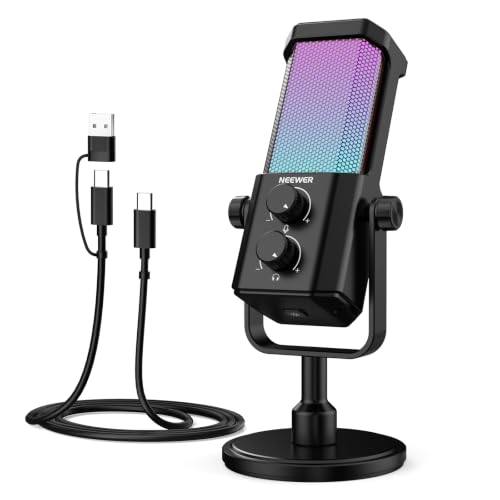
The UM01 features AI-based noise reduction and a metal build for durability. It is a plug-and-play USB-C/A mic compatible with Mac, Windows, PS4/5, and Android. This mic is well-suited for creators who want quieter recordings in variable environments and value a robust, professional appearance. Limitation: the AI noise reduction performance may vary by environment and system configuration; testing is recommended for best results on each device.
TONOR Conference USB Microphone with AI Noise Cancelling
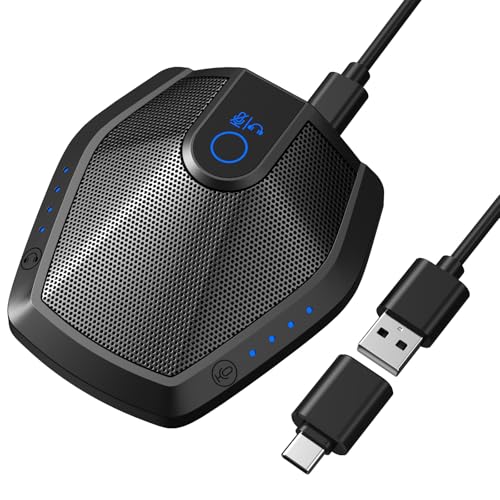
The TONOR G11 Pro provides AI noise reduction aimed at conference calls and online learning. Its omnidirectional pickup captures voices around the table, which is helpful for group discussions. Best for virtual meetings where multiple voices need even pickup; be mindful that omnidirectional mics can pick up more room ambiance in lively environments.
Buying Guide
What should you consider when choosing a noise cancelling condenser microphone?
- Pickup pattern: Cardioid mics focus on the user’s voice and reject side noise, while omnidirectional mics capture more room sound. Choose cardioid for solo use; consider omnidirectional if you need group capture.
- Noise reduction method: Look for hardware-based noise suppression or software-enabled modes. AI or DSP-based reductions can adapt to environments but may vary by system and software support.
- Connectivity and compatibility: USB mics are plug-and-play on most PCs and Macs. For mobile use, ensure adapters are included or available. XLR options offer higher fidelity but require an interface.
- Controls and monitoring: Built-in mute, gain control, and headphone monitoring simplify on-the-fly adjustments during live streams or calls.
- Build quality and durability: A metal chassis tends to last longer in daily use and travel, important for creators on the go.
- Software requirements: Some models offer Windows-only noise cancellation software or features; plan for cross-platform use if you work across multiple devices.
Practical picks by user scenario:
- Best for solo content creation: CMTECK G009, ZealSound K66
- Better for gaming and streaming: MAONO DGM20S, MAONO DGM20 USB
- Best for multi-device setups and meetings: NEEWER UM01, TONOR G11 Pro
Frequently Asked Questions
- What is a noise cancelling condenser microphone best used for?
Best used for podcasts, streaming, online meetings, and voice recording where background noise should be minimized while maintaining vocal clarity.
- Do I need software for noise cancellation?
Some models include AI or software-based modes; others rely on hardware design. Check product details for software requirements and compatibility.
- Is USB preferable to XLR for home use?
USB is simpler and works plug-and-play for most users. XLR offers higher fidelity but requires extra gear like an audio interface.
- Will a cardioid mic reduce room noise effectively?
Yes, cardioid mics focus on voice in front of the mic and reject noise from the sides and rear, improving clarity in typical environments.
- How important is build quality for a desk mic?
Durable metal bodies are preferable for long-term use and frequent transport, especially for creators who travel or move setups often.
- Can AI noise cancellation adapt to different environments?
AI-based noise reduction can adapt to varying noises, but performance depends on environmental factors and device compatibility.