
Best Noise Cancelling Desktop Microphones for Clear, Studio-Quality Audio
Answering the demand for crisp, background-free voice capture, this guide highlights five top USB desktop microphones with effective noise reduction. Suited for podcasters, streamers, online teachers, and remote workers, these picks balance affordability and performance. Each product section identifies who it’s best for and why, with clear, comparison-friendly notes to help you decide quickly.
Product Comparison at a Glance
| Product | Best For | Key Benefit | Notes |
|---|---|---|---|
| ZealSound K66 USB Podcast Microphone | Podcasters & streamers | Intelligent Noise Reduction Mode | Multiple modes for real-world environments |
| TONOR G11 Pro Conference Microphone | Small to mid-sized meetings | AI Noise Reduction for conferencing | 11.5 ft pickup, simple controls |
| CMTECK G009 Noise-Cancelling USB Mic | Online classrooms & chats | CCS2.0 smart chip for noise blocking | Built-in mute with LED |
| JOUNIVO USB Microphone | Desktop gaming and dictation | 360° pickup with Gooseneck | Mute button with LED status |
| NEEWER UM04 USB Microphone | Online meetings & teaching | AI Noise Cancellation with RGB lighting | Plug-and-play, 4.9 ft distance optimal |
ZealSound K66 USB Podcast Microphone

The ZealSound K66 is designed for clean vocal capture with a cardioid pattern and a wide 40 Hz–18 kHz response. It emphasizes voice clarity while suppressing ambient noise. Best for podcasters, YouTubers, and voice-over artists who need dependable, plug-and-play operation without extra software.
- Best for: creators who require studio-like sound in a compact setup.
- Why chosen: intelligent noise reduction mode helps minimize mechanical hum and chatter in real-world environments.
- Caution: Noise-reduction mode may alter vocal warmth; use in appropriate recording contexts.
TONOR G11 Pro Conference USB Microphone
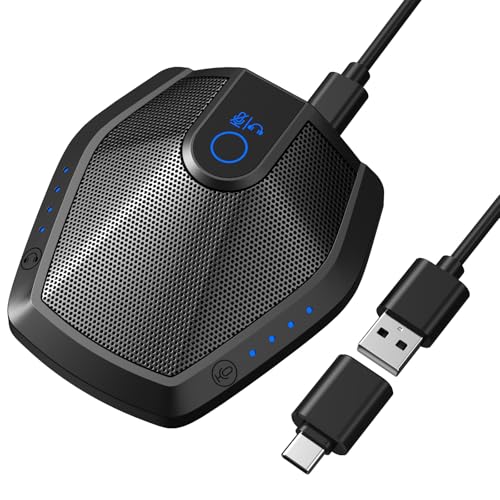
The TONOR G11 Pro targets group calls and online learning with AI-powered noise reduction and an omnidirectional pickup pattern reaching 11.5 feet. It provides physical volume and monitoring controls for quick adjustments and a straightforward plug-and-play experience.
- Best for: small to medium conference rooms and classrooms.
- Why chosen: AI noise cancellation reduces fan noise and keyboard clatter for clearer teleconferencing.
- Caution: Omnidirectional pattern picks up room noise if the environment is loud.
CMTECK USB Computer Microphone G009

The CMTECK G009 focuses on clear voice capture with an omnidirectional condenser and a CCS2.0 smart chip for noise reduction. The built-in mute button with LED status helps you manage privacy during calls or streaming.
- Best for: online classrooms, chat, and home studios needing reliable voice capture.
- Why chosen: active noise cancellation and a pop filter reduce plosives for cleaner recordings.
- Caution: Menus and indicators may not suit all operating systems without default device adjustments.
JOUNIVO USB Microphone
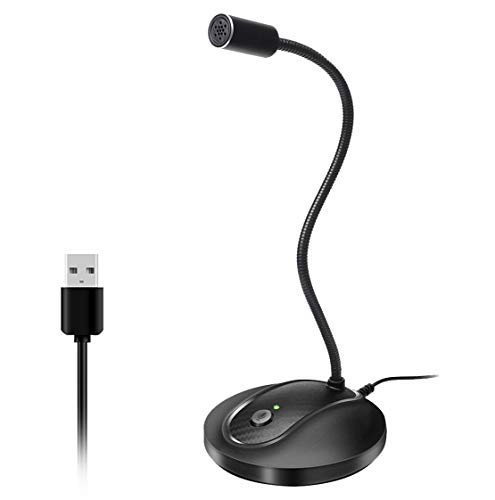
The JOUNIVO microphone uses a 360-degree adjustable gooseneck and an omnidirectional pickup to capture voice from multiple angles. It includes a mute button with a visible LED indicator to manage privacy during streams or calls.
- Best for: desktop gaming, dictation, and multitask setups where mic position changes often.
- Why chosen: flexible neck helps position the mic for optimal voice capture while reducing desk noise.
- Caution: Omnidirectional pickup may capture room noise if the environment isn’t quiet.
NEEWER UM04 USB Microphone

The UM04 offers AI noise cancellation with a 360° omnidirectional pickup and RGB lighting for visual feedback. It’s a straightforward plug-and-play option that suits online meetings, teaching, and casual podcasting.
- Best for: quick setup and environments with varying background noise.
- Why chosen: DSP-based noise suppression and color indicators provide immediate status cues.
- Caution: RGB lighting may be distracting in low-light recording environments; consider turning off the lights if needed.
Buying Guide: Key Purchase Considerations
What noise-canceling features matter?
Look for microphones with dedicated noise reduction algorithms, DSP chips, or multiple modes that adapt to different environments. A built-in mute button and LED indicator help manage privacy and workflow efficiency during calls and streams.
Which pickup pattern is right for you?
Omnidirectional mics capture sound from all directions and are flexible in group settings, but they may pick up background noise. Cardioid patterns focus on the speaker’s voice and usually offer better noise rejection in quieter rooms.
How important is plug-and-play?
USB plug-and-play devices save setup time and minimize driver management. This is ideal for users who switch between devices or operate in classrooms, home offices, or gaming setups.
What about positioning and accessories?
A flexible gooseneck, desktop stand, or magnetic mount can dramatically improve vocal pickup and comfort. Consider a pop filter or foam windscreen to minimize plosives and sibilance in close chats or podcasts.
Environment and use-case considerations
For quiet rooms, most USB mics with cardioid patterns perform exceptionally well. For noisy homes or shared spaces, prioritize models with explicit noise reduction modes and clear LED status indicators to manage on/off and mode changes quickly.
Compatibility and future-proofing
Most listed options work with Windows, macOS, and common recording apps. If you frequently switch devices (PC, Mac, iPad, or consoles), verify USB compatibility and any required adapters (USB-C, Lightning) before purchasing.
Frequently Asked Questions
- What is the best microphone for noise cancellation on a budget?
Look for a model with active noise reduction and a mute button, such as the CMTECK G009 or JOUNIVO, which provides clear voice capture without expensive gear. - Can I use a noise-cancelling mic for streaming and gaming?
Yes. Mics like ZealSound K66 or TONOR G11 Pro offer features suited for live streaming and voice chat while minimizing background noise. - Do I need a pop filter if the mic has a good noise reduction?
Pop filters help control plosives. They are still recommended for close-up voice work to protect clean vocal capture. - Is USB plug-and-play enough for professional use?
For most remote work and casual production, yes. If you need advanced control, consider software mixers or audio interfaces in addition to a USB mic. - Will a 360° pickup pattern be noisy in a busy room?
Potentially. In loud environments, a cardioid mic or closer placement to the speaker can improve noise rejection. - Are RGB lights important?
RGB is cosmetic for most users; it does not affect audio quality but can aid visibility of mic status in darker setups.