
Best Noise Cancelling Ear Muffs for Toddlers
Buying noise cancelling ear muffs for toddlers requires balancing comfort, noise reduction, and fit. The right pair helps protect little ears during fireworks, concerts, flights, monster jams, or everyday loud environments. This guide highlights five top options, with clear use cases and practical trade-offs to help you choose.
Summary table of selected products
| Product | Best For | Estimated Noise Reduction | Fit Notes |
|---|---|---|---|
| Dr.meter EM100 Noise Cancelling Headphones for Kids | General noise protection for kids and teens; versatile wear | 27.4 dB SNR | Adjustable headband; suitable for growing heads |
| ProCase Noise Cancelling Headphones for Kids/Toddlers | Kids with sensitive environments; autism support | 27 dB SNR | Adjustable headband up to 32 mm, snug first use |
| ProCase Kids Noise Cancelling Headphones (Red) | Multi-age protection; everyday use | 24 dB NRR | One size fits most; rotatable cups |
| cumunebula Noise Cancelling Headphones for Kids | Playful design with strong isolation | 28 dB SNR | 360° rotatable cups; durable padding |
| iClever EM01 Noise Cancelling Headphones | Higher protection needs; travel and events | 29 dB SNR (up to 46 dB in some scenarios) | Foldable; ANSI S3.19 & CE EN 352-1 certified |
Dr.meter EM100 Noise Cancelling Headphones for Kids

Best for: Parents seeking a comfortable, versatile option that fits a wide age range from toddlers to teens. These earmuffs emphasize comfort and a breathable seal using memory foam and PU leather padding. They are designed to minimize itching and pressure while providing clear voice transmission for reminders or questions from caregivers.
Why selected: The combination of memory foam padding and a 27.4 dB SNR reduction targets everyday loud environments without completely muting conversation. ABS shells and layered foam strike a balance between protection and awareness, making it suitable for busy families at events or while traveling.
Limitations: Some users may need a short break-in period for the headband to loosen to a perfect fit, especially on first use. The product aims to reduce decibels without total silence, so extremely loud scenarios may still be audible but less overwhelming.
ProCase Noise Cancelling Headphones for Kids/Toddlers

Best for: Families needing strong isolation with a robust, grow-with-you design. The ABS shell and thickened foam deliver reliable SNR of 27 dB, and the adjustable headband accommodates growing heads across ages.
Why selected: These earmuffs meet common safety benchmarks (ANSI S3.19 and CE EN352-1) and emphasize a snug initial fit, which helps kids with sensory sensitivities feel secure from the first use. The telescoping arm design allows future growth without buying a separate size.
Limitations: The headband can feel tight right out of the box for some children. A brief stretch on a box or object for 1–2 days may help before wearing for longer periods.
ProCase Kids Noise Cancelling Headphones Ear Protection (Red)

Best for: Parents seeking a reliable, all-around option for ages 3–15, with a color option that kids may enjoy. The 24 dB NRR helps reduce environmental noise in busy venues without isolating kids from essential voices.
Why selected: The one-size-fits-all approach with rotatable cups allows easy adjustments for different head sizes and activities. The design supports ongoing use as children grow and encounter new environments like airports or theme parks.
Limitations: Some parents may notice that the earmuffs feel moderately tight initially. If needed, widening the fit gradually helps improve comfort over time.
cumunebula Noise Cancelling Headphones for Kids

Best for: Kids who respond well to playful designs and need substantial noise reduction for events like monster truck shows, concerts, and travel. These earmuffs offer a strong 28 dB SNR and a durable, padded build for long wear.
Why selected: The unique fox-inspired design adds a sense of fun while preserving effective hearing protection. The 360° rotatable cups and widely padded headband create a comfortable fit for extended use and a snug seal across ages.
Limitations: The distinctive design may appeal primarily to children who enjoy playful aesthetics, potentially less attractive to kids seeking a more neutral look.
iClever EM01 Noise Cancelling Headphones
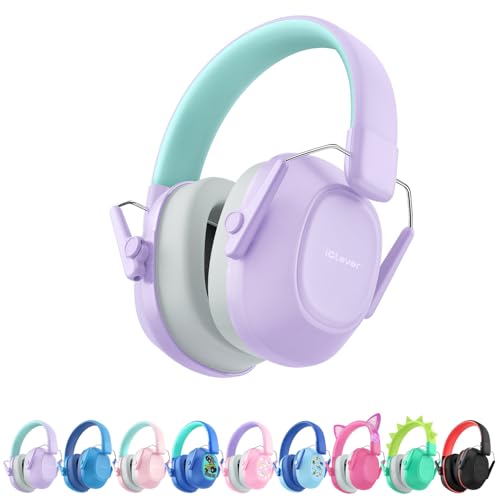
Best for: Families needing higher protection levels and durable travel gear. With an SNR of 29 dB and potential reductions up to 46 dB in certain situations, these earmuffs are designed for more demanding noise environments.
Why selected: Dual certification (ANSI and CE) supports consistent safety signaling. The foldable design aids compact storage for trips, and BPA-free ABS materials ensure safer everyday use for children sensitive to odors or materials.
Limitations: Despite strong protection, the higher isolation level may feel overly quiet for some children in social settings; consider introducing gradually to avoid overstimulation.
Buying Guide: Key Considerations for Choosing Toddler Noise Cancelling Ear Muffs
- Noise Reduction Level: Look for SNR or NRR ratings between 24–29 dB. Higher numbers provide stronger isolation, but not all kids appreciate deep silence. Consider your child’s tolerance and typical environment.
- Fit and Comfort: Choose products with adjustable headbands, soft padding, and rotatable cups. A comfortable pair reduces complaints and encourages longer wear during travel or events.
- Age Range and Growth: Kids grow quickly. Prioritize adjustable or one-size-fits-most designs to avoid frequent replacements.
- Certifications: ANSI S3.19 and CE EN352-1 certifications indicate adherence to safety standards. This helps ensure reliable protection across regions.
- Design and Appeal: Fun colors or characters can improve compliance with wearing the earmuffs, especially for toddlers and sensitive children.
- Durability and Cleaning: Look for durable shells and washable or easily cleanable pads for active kids who use earmuffs during outdoor play and travel.
- Portability: Foldable or compact designs make it easier to carry in bags, strollers, or backpacks during trips.
FAQ
- What is the difference between SNR and NRR in these products?
SN R (Signal-to-Noise Ratio) and NRR (Noise Reduction Rating) measure how much noise is reduced. Some listings use SNR for overall acoustic performance, while others specify NRR in decibels. Both indicate protection level, but SNR often reflects performance in real-world environments.
- Are these earmuffs suitable for newborns?
Most models target toddlers and older children. Check the product age range and ensure the design fits safely around a baby’s head before use. Always follow manufacturer guidelines.
- Can these earmuffs block voices completely?
No. They reduce loud noises while preserving essential conversations. Some models emphasize clearer speech for caregiver communication during events.
- How do I know if the headband is too tight for my child?
If the earmuffs leave marks or cause discomfort after brief wear, loosen the headband gradually or try a larger size or more flexible design. Many models include stretch guidance in their notes.
- Are there designs that fold for travel?
Yes. Several options in this guide feature foldable designs and compact storage for trips, flights, and day trips.
- Is higher noise reduction always better for every child?
Not necessarily. Some children may feel overwhelmed with very high isolation. Start with moderate protection and adjust as your child adapts.