
Best Noise Cancelling Headphones for Baby Ears and Crying
Answering for parents and caregivers: these infant-friendly noise protection earmuffs reduce loud environments to safer levels while keeping comfort in focus. The top picks below are best for new parents seeking reliable sleep support, travel protection, or outdoor event safety for babies and toddlers. Each option suits different needs—some prioritize ultra-soft materials, others emphasize adjustable fits that grow with your child.
Overview of top choices:
- HOIGRBOM Baby Headphones for Noise — best for ultra-soft fit and extended growth (0-48 months).
- BBTKCARE Baby Ear Protection — best for nap-time on the go and soft padding.
- BANZ Baby Banz Earmuffs — best for strong noise reduction with a lightweight build.
- Floriogra Baby Headphones — best for safety certifications and zero-harm materials.
- LYSIAN Baby Ear Protection Earmuffs — best for secure fit on smaller heads.
| Product | Best For |
|---|---|
| HOIGRBOM | 0-48 months, deep sleep protection |
| BBTKCARE Blue | Nap-time on the go, adjustable comfort |
| BANZ | Strong noise reduction with low weight |
| Floriogra | Safety-focused materials and 0-36 months |
| LYSIAN | Secure fit for small heads, 3 months to 3 years |
HOIGRBOM Baby Headphones for Noise

Best for: caregivers seeking a growth-ready design with a soft, safe fit. Why selected: 24 dB noise reduction helps protect delicate baby ears in airplanes, cars, or concerts while the stretchy headband adapts from 0 to 48 months. Cautions: ensure the headband remains properly positioned to avoid pressure on fontanelles during growth.
BBTKCARE Baby Ear Protection (Blue)
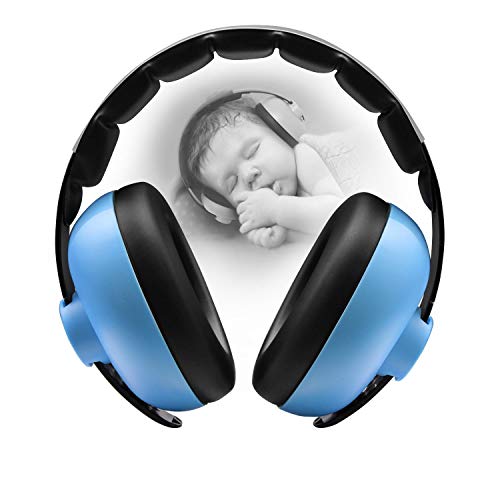
Best for: nap-time on the go and soft padding. Why selected: 23 dB reduction with zero-pressure design and adjustable headband promote a comfortable fit for teething and restless sleepers. Cautions: check fit as your baby grows to maintain effective seal without over-tightening.
BANZ Earmuffs Infant Hearing Protection

Best for: babies and toddlers needing a robust but lightweight shield. Why selected: NRR 26 dB provides strong protection while still allowing ambient sounds for safe awareness. Cautions: may feel looser for very small heads—verify fit before use in loud environments.
Floriogra Baby Headphones

Best for: safety-focused families requiring certified materials. Why selected: 25dB reduction with BPA-free ABS shell and soft padding; designed for 0-36 months with zero-harm materials. Cautions: ensure secure fit during active play to prevent slips.
LYSIAN Baby Ear Protection Earmuffs (Pink)

Best for: secure fit for smaller heads with gentle materials. Why selected: up to 25dB noise reduction with a soft headband and anti-slip design. Cautions: pink color may appeal to some preferences; verify size for newborns to 3 years.
Buying Guide
What should you look for in baby noise-cancelling headphones?
Key factors include noise reduction level (measured in dB), a zero-pressure or lightweight headband, soft padding, and a design that accommodates growth from infancy through toddler years. Materials should be BPA-free and hypoallergenic, with easy cleaning.
How important is adjustable sizing?
Very important. An adjustable headband ensures a snug fit without applying pressure on fontanelles. Look for models that grow from newborn sizes up to at least 36-48 months.
What environments are these best suited for?
Travel (airplanes, trains), outdoor events (fireworks, concerts), crowded spaces, and nap-time protection. Some designs prioritize sleep-friendly padding, while others emphasize higher noise reduction for loud venues.
Are there safety certifications to consider?
CE or ANSI certifications indicate safety standards. For infants, non-toxicity and skin-friendly materials are equally important to prevent irritation during long wear.
How to choose between models?
Consider comfort first (soft padding, gentle clamping), growth compatibility, and the level of noise reduction you need. If you prioritize minimal pressure and long wear, pick zero-pressure designs; if you need stronger noise reduction for loud events, choose higher dB options.
Care and maintenance tips
Regularly wipe with a damp cloth, avoid submersion in water, and inspect the headband stiffness as the child grows. Ensure the ear cups fully enclose the ears without excessive squeezing.
FAQ
- What age is appropriate for baby earmuffs? Answer: Most models target ages from newborn to about 36-48 months, with some extending to 4 years.
- Do these protect against all noise? Answer: They significantly reduce loud noise but do not block ambient sounds entirely; use as intended for safe listening environments.
- Can they be worn during sleep? Answer: Yes, many are designed for sleep-friendly use when properly fitted and comfortable.
- How do you know they fit correctly? Answer: Check that they cover the ears completely, sit lightly on the head, and have no significant gaps or pressure points.
- Are these safe for daily use? Answer: Materials are chosen to be non-irritating and durable for frequent use, but always monitor the child for any signs of discomfort.
- What if my baby tries to remove them easily? Answer: Look for anti-slip headbands and adjustable designs that minimize slipping during movement.