Best Old School Car Amps for Classic Audio Upgrades
Looking for proven, reliable car amplifiers that deliver solid power without modern gimmicks? This guide highlights five established models that suit enthusiasts restoring or upgrading classic audio systems. Each pick is evaluated for durability, ease of installation, and clarity of sound. The top buyers include diyers seeking straightforward power, and listeners wanting reliable performance for both speakers and subwoofers. Below, find concise comparisons, why each model stands out, and practical trade-offs to help you choose.
| Product | Best For | Key Benefit | Limitations |
|---|---|---|---|
| 3200W 12V 4 Channel Car Amplifier – Yaeccc | All‑around upgrade | 4 channels with strong power and heat dissipation | Slim design may limit features for some builds |
| BOSS Audio R3002 Riot Series – 2 Channel | Budget high output | High power, bridgeable channels | Class AB may run hotter under heavy use |
| BOSS Audio R6002 – 2 Channel | Subwoofer friendly | Great for bass with full-range option | Basic protection features on entry model |
| Kinter MA170 – Mini 2 Channel | Compact DIY projects | Small footprint, easy to wire | Limited power compared to full-size amps |
| High efficiency | Class D design with compact form | Lower RMS ratings in some configurations |
Yaeccc 3200W 12V 4 Channel Car Amplifier
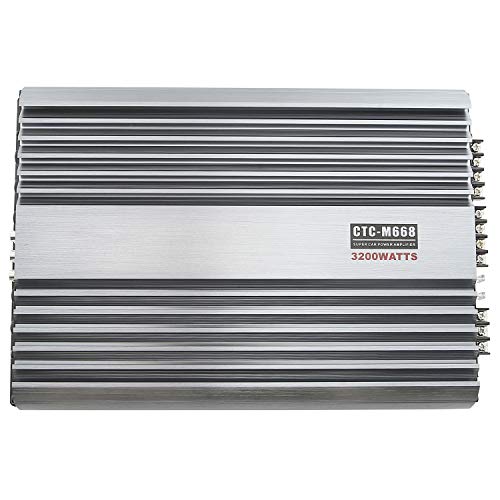
Best for enthusiasts who want four channels with strong output in a slim chassis. This amp uses an aluminum alloy construction for heat management and a compact footprint that fits tight installations. It’s suitable for mid‑range setups that require multiple channels for front and rear speakers plus a sub, with stable operation under typical car audio loads. Consider this when you need reliable power without sacrificing space in the trunk or under seats.
Who it’s best for: DIY installers seeking a versatile, space‑efficient 4‑channel amplifier with solid heat dissipation. Why selected: balanced power, durable build, and easy install. Caution: heat buildup may occur in extreme, high‑duty cycles—ensure adequate ventilation.
BOSS Audio R3002 Riot Series – 600 Max x 2

This 2‑channel amp offers strong output per channel and is bridgeable for additional bass when needed. It supports both low and high level inputs, making it compatible with various factory stereos and aftermarket head units. Best for: two‑speaker setups with an optional sub. Why selected: high output potential and flexible input options. Limitation: Class AB design can generate more heat compared with modern Class D rivals.
BOSS Audio R6002 – 2 Channel

Ideal for users prioritizing bass and a two‑channel setup. The R6002 supports high and low level inputs and provides a choice to drive a subwoofer while also powering two speakers. Best for: small to mid‑sized cars with a dedicated sub and front/rear speakers. Why selected: strong bridgeable power for a compact unit. Caution: true bass performance improves when paired with an appropriately rated sub and enclosure.
Kinter MA170 Mini 2‑Channel Amplifier

Best for compact builds and DIY projects where space is at a premium. The MA170 is designed for small installations and features a prominent LED volume indicator. Choose this if you need a simple, compact amp for a modest sound upgrade or a custom setup in tight spaces. Limitation: lower overall power output compared with full‑size amps means it’s less suitable for large or bass‑heavy systems.
Taramp’s TL 500 Class D Amplifier
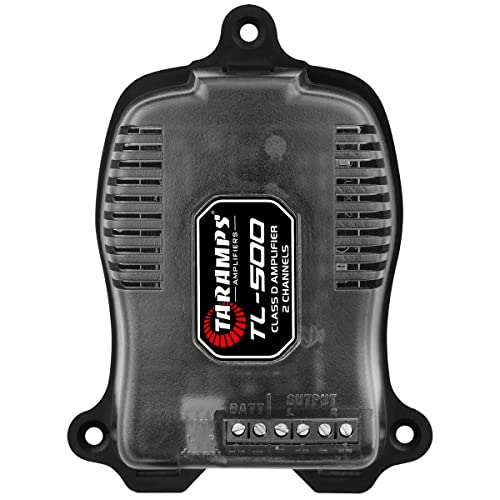
Best for users seeking efficient power with a compact form factor. The TL 500 delivers solid watts per channel in a two‑channel Class D design and supports modern car electronics with a wide input voltage range. Why selected: high efficiency, low heat output, and suitability for tight spaces. Caution: RMS power numbers can vary by vehicle electrical conditions; verify your system’s voltage compatibility.
Buying Guide: Key Considerations For Old School Car Amps
What should you check before buying an amplifier for an older car audio system?
- Power needs: Match amplifier watts to your speaker and subwoofer ratings. Oversized amps can waste energy and cause wiring issues; undersized amps won’t deliver clean sound.
- Channel configuration: Four‑channel amps simplify multi‑speaker setups, while two‑channel models pair well with a single sub and a couple of front speakers.
- Inputs and compatibility: Low‑level (RCA) inputs work with most head units; high‑level inputs suit factory radios that lack RCA outputs.
- Heat management: Look for good heat dissipation features. Enclosed trunks and compact spaces require efficient cooling to prevent thermal shutdown.
- Build quality: Aluminum casings, robust mounting options, and stable grounding reduce vibration and electrical noise.
- Installation factors: Consider dimensions, wiring kits, and chassis clearance in older vehicles with limited space behind dashboards or under seats.
Frequently Asked Questions
- What is a traditional old school car amp best used for? Best for upgrading clarity and volume in classic or budget builds, often paired with standard speakers and a subwoofer.
- Do I need a separate sub amp or can I use a two‑channel amp for bass? A dedicated sub amp can improve bass control; some two‑channel amps can bridge for bass if supported.
- Is Class AB better than Class D for older cars? Class AB tends to be louder at moderate levels with predictable warmth; Class D offers efficiency and less heat for compact setups.
- How important is heat sinking for car amps? Good heat sinking reduces thermal throttling and prolongs life in cars where space limits airflow.
- Can I install these amps myself? Many amps are DIY‑friendly, but ensure proper wiring, fusing, and ground isolation to avoid electrical issues.
- Should I choose universal or vehicle‑specific wiring kits? Universal kits work across many vehicles, but some older cars benefit from kits tailored to their wiring layouts.