
Best Old School DJ Headphones for Classic Mixes and Live Sets
Looking for classic, reliable DJ headphones that deliver solid bass, clear mids, and comfortable all-day wear? This guide highlights five strong options that suit traditional DJing, monitoring, and studio use. Each pick is described with who it’s best for, why it was selected, and practical limitations to consider. Designed for American buyers, these picks prioritize straightforward performance, durability, and compatibility with standard DJ gear.
| Product | Why It Stands Out | Best For | Main Limitation |
|---|---|---|---|
| OneOdio Wired DJ Hi-Res Over-Ear | Large 50mm drivers, comfortable padding, single-side monitoring | Budget DJs and hobbyists who do long sessions | May prioritize bass slightly over ultra-highs |
| New Bee Studio Headphones | 50mm drivers, ultra-lightweight, swiveling cups for single-side monitoring | Producers on a budget needing precise mixing | Lightweight build may feel less premium |
| Pioneer DJ HDJ-CUE1 | On-ear, foldable, soft earpads, comfortable for long sessions | New DJs learning to cue and beatmatch | On-ear design may leak noise in loud rooms |
| OneOdio A71D | 40mm drivers, single-sided monitoring, foldable for portability | Studio monitoring and mobile setups | Non-removable cable in some variants |
| Aechorhy Wired Over Ear | 50mm drivers, dual connectivity, adjustable headband | DJing and studio work requiring versatile plugs | Noise isolation depends on ear cushion fit |
OneOdio Wired DJ Hi-Res Over-Ear Headphones

Best for budget-friendly reliability and extended use. These headphones feature large 50mm drivers and neodymium magnets to deliver powerful bass and clear highs, with a comfortable padded design and a 90° swiveling ear cup for single-side monitoring. The self-adjusting headband reduces fatigue during long sessions, making them suitable for mastering and mixing in home studios or small venues.
Who this is for: entry-to-mid level DJs, home producers, and podcasters needing dependable monitoring without breaking the bank.
Limitations: While bass-forward and robust, the overall feel is more value-focused than premium, and some listeners may prefer a flatter response for critical mixing.
New Bee Studio Headphones
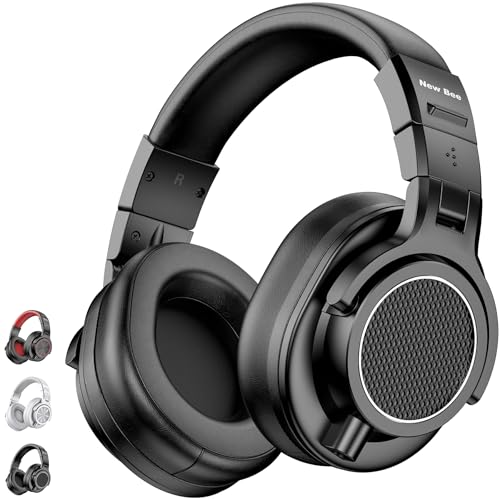
Best for precise studio work and portable setups. These 50mm drivers deliver dynamic bass and clear treble with a lightweight build (210g) and skin-friendly materials. The 90° swivel supports single-ear monitoring, ideal for tracking, recording, or live DJ sets in compact spaces.
Who this is for: aspiring producers, mobile DJs, and creators who need a light, budget-friendly pair with reliable accuracy.
Limitations: Ultra-lightweight design may feel less sturdy than heavier models over time, and some users may want even more isolation in loud venues.
Pioneer DJ HDJ-CUE1 On-Ear DJ Headphones

Best for new DJs learning to cue and beatmatch. These on-ear headphones provide dependable monitoring at an accessible price point. They are designed to help users cue tracks clearly in noisy rooms with comfortable soft earpads and a lightweight build suitable for long practice sessions.
Who this is for: beginners and classroom DJs who need an affordable, reliable tool for learning the craft.
Limitations: On-ear design can let ambient noise in; may not isolate as well as over-ear models in loud venues.
OneOdio A71D Wired Over-Ear Headphones
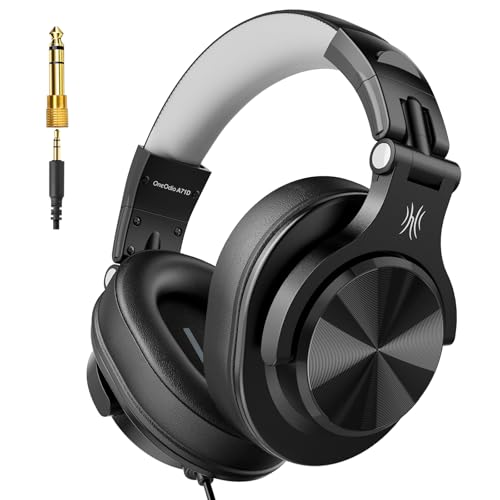
Best for studio monitoring and travel. The 40mm drivers deliver solid bass with clear mids and highs, while the 90° swiveling cups enable convenient single-ear monitoring. The foldable design adds portability for mobile producers and DJs.
Who this is for: DJs and producers who travel or work in tight spaces and need a foldable, monitor-style option.
Limitations: Slightly smaller driver size compared to some other studio headphones, which can affect overall bass impact for bass-heavy genres.
Aechorhy Wired Over Ear Headphones

Best for versatile plug-in options and studio monitoring. These 50mm-driver headphones support 3.5mm and 6.35mm jacks, with a retractable headband and 90° rotating cups for secure single-ear monitoring. They emphasize a flat, accurate monitoring experience across a wide frequency range.
Who this is for: DJs and studio engineers who need plug-and-play versatility with reliable sound and comfort.
Limitations: Dual-plug design adds potential connector fatigue; ensure the right plug is used for your gear to avoid compatibility issues.
Buying Guide
What should I look for in old school DJ headphones?
Key factors include driver size (larger drivers often deliver stronger bass), isolation (over-ear designs generally block more noise), comfort (cushioning and headband fit), and monitoring capability (single-ear monitoring helps with alignment and cueing).
Do I need single-ear monitoring?
Single-ear monitoring is common in DJing for cueing and beatmatching without losing awareness of the full mix. Look for 90° swiveling cups and a sturdy headband for extended sessions.
Wired vs. wired-with-dual-jack options?
Most DJ work benefits from reliable wired headphones. Dual-jack designs eliminate adapter headaches, but verify that your mixer or interface accepts the plug type you choose.
Which is better for studio mixing or live sets?
For studio mixing, prioritize flat or balanced sound with good mid-range clarity. For live sets, strong bass response and comfort during long performances are valuable. Some models balance both roles well, offering foldability and robust cups.
How important is comfort and build quality?
All-day wearability depends on soft ear cushions, adjustable headbands, and lightweight materials. Durable construction reduces fatigue from long gigs and travel.
FAQ
Q1: Are over-ear headphones better than on-ear for DJing? A1: Over-ear designs typically offer better isolation and comfort, which is helpful in loud venues and long practice sessions, though some on-ear models are lighter and more portable.
Q2: Can I use consumer headphones for DJing? A2: Yes, many consumer headphones work for basic DJing, but dedicated DJ models often provide better single-ear monitoring, build quality, and comfort for long sessions.
Q3: Do I need a detachable cable? A3: Detachable cables improve durability and replacement ease, especially for frequent use in clubs or on the road.
Q4: What is the advantage of 50mm drivers? A4: 50mm drivers typically deliver stronger bass and richer overall sound, which many DJs favor for monitoring and performance.
Q5: Is swivel capability important? A5: Yes, 90° swiveling cups facilitate single-ear monitoring, a common practice in cueing and live mixing.
Further considerations
To optimize your selection, consider your major use case (home studio, live gigs, or mobile DJing), your preferred listening style (bass-forward or balanced), and your gear compatibility (mixer, audio interface, or portable player). The five headphones highlighted here provide a range of price points and features suitable for old school DJ workflows while remaining accessible to American buyers seeking reliable, straightforward gear.