
Best Open Reel Audio Tape Options for Vintage Recording Enthusiasts
Open reel audio tape fans will find these options capable of supporting archival work, maintenance, and practical playback. This guide highlights five open reel products chosen for reliability, ease of use, and compatibility with 1/4″ tape decks. Ideal buyers include hobbyists restoring old recordings, audio technicians maintaining archival material, and collectors seeking dependable splicing and cleaning tools.
| Product | Brand |
|---|---|
| Open Reel Audio Cleaning Tape for 1/4″ Tape Decks | |
| TME Open Reel Adhesive Sensing Foil Real Aluminum 26 Ft | |
| TME Open Reel Audio Splicing Tape Blue 82′ | |
| TME Open Reel Audio Splicing Tape White 82′ | |
| EAJONC 1/4 Inch Tape Splicing Block Kit |
Open Reel Audio Cleaning Tape For 1/4″ Decks
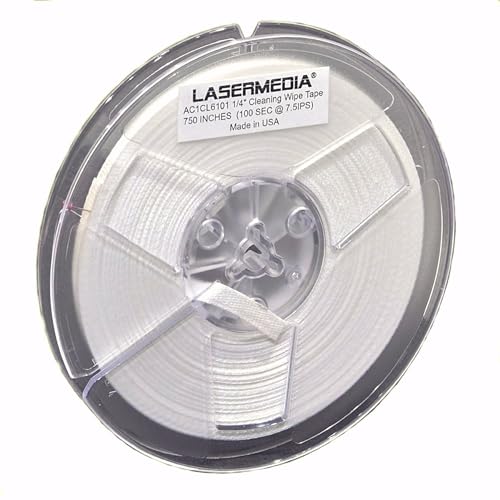
Best for routine maintenance and edge-to-edge cleaning. This Lasermedia tape cleans and polishes guides and heads edge to edge, including hard-to-reach corner areas. It’s described as highly durable and reusable, and it comes on a five-inch reel for easy handling. Best for technicians and hobbyists who perform regular maintenance on vintage machines. Consider this when you want a reusable option that reduces residue and helps preserve signal quality.
Who it’s for: This is ideal for users who frequently service 1/4″ tape decks and need a durable, reusable cleaning tool. Limitation: As with any cleaning tape, avoid excessive pressure on critical head surfaces to prevent wear.
TME Open Reel Adhesive Sensing Foil 26 Ft
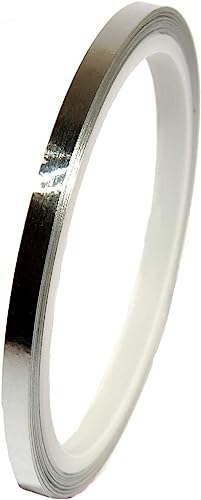
Best for professional splicing with authentic aluminum foil. This product uses real aluminum foil on a 26-foot roll with a 3″ core, and includes self-adhesive backing for easy use in splicing blocks. It’s better for archival work and precise repairs where durable conductivity and clean overlaps matter. Choose this when you need a high-integrity adhesive foil with straightforward handling.
Who it’s for: Ideal for repair technicians and serious hobbyists handling frequent splices. Caution: Ensure compatible core sizing and avoid obstructing splices with excess backing.
TME Open Reel Audio Splicing Tape Blue 82′

Best for clear identification of splices. This 82-foot blue splicing tape uses a distinctive green core for easy tracing, designed for 1/4″ open reel recording tape. The color coding helps prevent misalignment during editing and restoration projects. Opt for this when you want quick visual cues to reduce editing errors.
Who it’s for: Great for editors and archivists who value fast visual identification. Limitation: Blue color may not match all archival tape protocols; confirm color compatibility with your workflow.
TME Open Reel Splicing Tape White 82′ With Logo

Best for vintage-matching splices with archival white tape. This 82-foot white splicing tape is presented as a fresh stock option designed to resemble classic Scotch 41 splicing tape. It’s suitable for restorations requiring a historically aligned appearance and performance. Choose this for period-accurate splices and straightforward compatibility with older reels.
Who it’s for: Suitable for restorers seeking vintage aesthetics and reliable splices. Limitation: Availability can vary; verify batch freshness if exact vintage-match is critical.
EAJONC 1/4 Inch Tape Splicing Block Kit

Best for precise 1/4″ splice alignment. This aluminum splicing block kit includes a block, leader tape, splicing tape, and a cutting blade. The CNC-machined construction ensures a snug fit to prevent tape movement during cutting, reducing clicks and pops at splice points. The dual-angle cutting slots support clean, accurate cuts, beneficial for high-fidelity archival work.
Who it’s for: Ideal for professional editing and restoration projects where precise alignment is essential. Limitation: A complete kit is needed for optimal results; verify you have a suitable spare blade and leader supply.
1/4 7 Inch Empty Reel For Open Reel

Best for replacement parts and maintenance stocking. This Pomya empty reel features stainless steel screws and a sturdy aluminum NAB flange with a 6-hole wind design for added strength and flexibility. It’s suitable for users assembling or repairing open reels and seeking reliable, corrosion-resistant components.
Who it’s for: Great for hardware maintenance and spare parts for open-reel decks. Limitation: It’s an empty takeup reel, so you’ll need to pair it with your existing tape stock and takeup system.
TME Open Reel Adhesive Sensing Foil 12 Ft

Best for short, precise adhesive needs in open reels. This 12-foot roll uses conductive adhesive designed to maintain continuity across overlaps without losing signal integrity. It is supplied on a 3″ core for easy handling and includes a protective release paper to keep the adhesive surface clean during storage.
Who it’s for: Ideal for small repair jobs and overlapping foil segments. Caution: Short length may require multiple reels for bigger projects; plan accordingly to minimize start/stop joints.
Splicing Tape Tabs Open Reel Die Cut
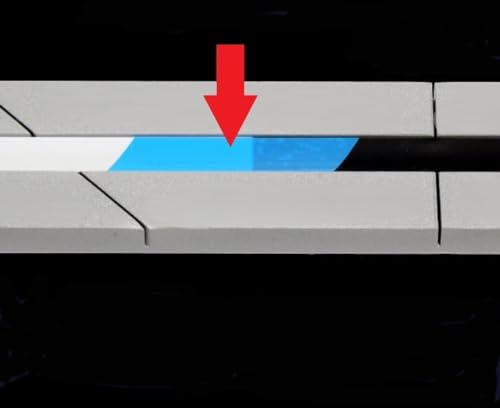
Best for clean, waste-free splicing. These die-cut tabs are designed for precise placement with a green core archival tape technology. They are intended for professional studio and archival use where long tape life and minimal waste are priorities. Use these tabs for quick, reliable tabbing during edits and restorations.
Who it’s for: Suitable for editors and archivists seeking efficient tabbing and reproducible splices. Limitation: Illustration photos show use with a block; the kit may require separate splicing accessories for full workflow.
Buying Guide: Key Considerations For Open Reel Tape Buyers
- Tape compatibility: Confirm open reel standards (1/4″ width, core size) before purchasing accessories like splicing blocks, foils, and cleaning tapes.
- Purpose fit: Distinguish between cleaning, splicing, and archival needs to pick the right product set. For example, cleaning tapes support maintenance, while splicing blocks support edits and repairs.
- Material quality: Prefer real aluminum foil and aluminum blocks for durability and stable edge alignment in high-fidelity restorations.
- Core and wind management: Check core diameters (3″ or 1″ cores) and winding holes (6-hole design) to ensure compatibility with your reel and AC drive.
- Ease of use: Look for self-adhesive backing on foils and complete kit contents for efficient workflow in archival projects.
- Color-coding and identification: Color-coded splicing tapes help reduce mistakes during complex edits, especially on large archival projects.
- Fresh stock considerations: For historically accurate splices, fresh stock options may better match the look and feel of vintage tapes.
- Maintenance strategy: Incorporate a mix of cleaning tapes and spare reels to keep decks in good condition and extend equipment life.
FAQ
- What is open reel tape used for?
Open reel tape is used for recording, archiving, and restoring analog audio on 1/4″ reels with open reels and corresponding decks.
- Why choose real aluminum foil splicing tape?
Real aluminum foil provides reliable conductivity and cleaner, more stable splices for high-fidelity archival work.
- What is a splicing block kit good for?
The splicing block kit helps achieve precision cuts and alignment, reducing pops and ensuring seamless edits.
- Are cleaning tapes reusable?
Some cleaning tapes are designed for reuse, offering long-term value when used carefully and following cleaning guidelines.
- How do color-coded tapes help in editing?
Color codes provide quick visual cues to identify splices and tape segments, speeding up restoration workflows.
- What core size should I look for?
Most 1/4″ open reels use a 3″ or 3″ ID core; verify your reel’s core specifications before buying tapes or accessories.