
Looking For A Pillow Speaker For TV? This guide reviews five pillow speaker options designed to deliver private audio for TV watching and sleep without disturbing others. Below is a quick comparison to help you scan features before reading individual product sections.
| Product | Type / Connectivity | Notable Feature |
|---|---|---|
| Sound Oasis Sleep Therapy Pillow Speakers | Wired / Inline Volume | Pillow holder, ultra-thin speakers |
| HomeSpot JY508 Wireless Neckband Speaker | Bluetooth Neckband | Low-latency TV mode, 12 hr battery |
| KOPIDOE Bone Conduction Sleep Bar | Bluetooth / TF / Bone Conduction | Long battery, private vibration audio |
| Avantree Slumber B (3.5mm AUX) | Wired AUX Passive | Charge-free, passive low volume |
| Avantree Slumber (Bluetooth + SD) | Bluetooth / AUX / SD | Built-in white noise, remote |
Sound Oasis Sleep Therapy Pillow Speakers With Holder PSH-101
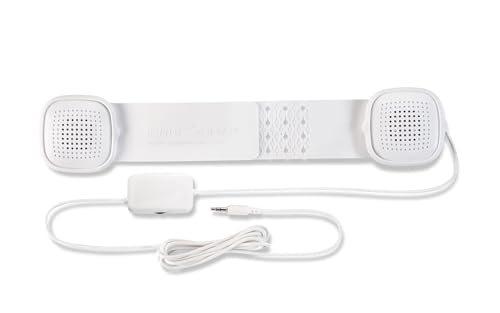
This set includes 2 ultra-thin pillow speakers and a soft material pillow speaker holder that keeps the speakers in place. The inline volume control allows easy adjustment without reaching for your device. Designed to work with standard and king-size pillows, the holder keeps speakers upright for clearer audio at the head area. The wired design avoids charging and Bluetooth pairing but requires a compatible audio output (headphone jack or adapter) from your TV or external transmitter.
HomeSpot JY508 Wireless Neckband Speaker – 3D Stereo Sound

The HomeSpot JY508 is a wearable neckband that offers 360-degree surround sound and low latency for a lag-free TV experience when the TV supports Bluetooth or uses a transmitter. Its up-to-12-hour battery life and Type-C quick charging make it suitable for prolonged sessions. As a neck-worn solution, it positions sound close to ears without pillow placement, offering an alternative to under-pillow speakers that still preserves privacy for bed partners.
Bone Conduction Bluetooth Pillow Speaker For Sleeping (KOPIDOE)

This KOPIDOE sleep bar uses bone conduction so vibrations transmit through the pillow to the ear, creating private audio that minimizes disturbance to others. It supports Bluetooth and TF card playback, includes timer options (30/60 min), and claims long battery life (20+ hours). The compact sleep bar favors side sleepers and aims to provide stereo bass while keeping ears unblocked during rest.
Avantree Slumber B – 3.5mm AUX Ultra-Comfortable Wired Pillow Speaker

The Avantree Slumber B is a passive wired pillow speaker with a 3.5mm plug, offering a simple plug-and-play option without charging or pairing. It’s designed for low-volume private audio, intended primarily for spoken content like audiobooks or TV dialogue. Because it’s passive, maximum loudness is limited, but this also preserves charge-free convenience and eliminates latency concerns for in-sync TV audio when connected directly to a headphone jack or transmitter.
Avantree Slumber – Bluetooth Pillow Speaker With Remote Control

The Avantree Slumber combines Bluetooth, AUX, and microSD playback with built-in white noise tracks and a sleep timer. It’s positioned as a louder, more feature-rich alternative to passive pillow speakers and includes remote control for easy adjustments. Versatile connectivity makes it a flexible choice for TVs that support Bluetooth or for use with an external transmitter or AUX feed.
Buying Guide: How To Choose A Pillow Speaker For TV
Selecting the right pillow speaker depends on how you use it, the type of TV and room setup, and personal comfort preferences. Key considerations are listed below.
- Connectivity Type: Wired (3.5mm) avoids charging and latency but requires a TV headphone jack or transmitter. Bluetooth offers wireless convenience but may need a low-latency codec or external TV transmitter for lipsync.
- Audio Delivery: Traditional drivers under the pillow provide conventional sound. Bone conduction transmits vibrations and keeps ears free. Neckband speakers place audio near ears without pillow placement.
- Latency: For TV and video, choose devices with low-latency
- Volume And Privacy: Passive wired speakers typically offer lower maximum volume (good for partners). Active Bluetooth options can be louder—consider how much sound leakage is acceptable.
- Comfort And Sleep Position: Side sleepers may prefer slim, soft bars or bone conduction bars that won’t create pressure. Bulky modules can be uncomfortable under the head.
- Power And Convenience: Wired speakers require no charging. Bluetooth devices need recharging—check advertised battery life and charging speed for extended TV sessions.
- Extra Features: Built-in white noise, timers, TF or SD playback, and remote control add convenience for sleep-focused use beyond TV audio.
- Compatibility With Your TV: Verify your TV’s audio output. Newer smart TVs may support Bluetooth output; older TVs may need a Bluetooth transmitter or headphone jack adapter.
- Durability And Maintenance: Removable and washable covers or durable soft housings extend product lifespan for pillow-mounted devices.
Comparison Perspectives
Consider these cross-cutting comparisons when narrowing choices:
- Best For Latency-Sensitive TV/Gaming: Choose low-latency Bluetooth neckbands or ensure an aptX Low Latency transmitter for under-pillow Bluetooth units.
- Best For Minimal Disturbance: Passive wired speakers and bone conduction speakers tend to reduce audible leakage to nearby sleepers.
- Best For Ease Of Use: Wired plug-and-play units avoid pairing and charging hassles. Bluetooth + remote or memory card options add flexibility for different content sources.
- Best For Side Sleepers: Ultra-thin speakers, sleep bars, or curved bone conduction units reduce pressure and maintain comfort.