Best Pitch Shifter Guitar Pedals for Instant Tones
Whether you’re chasing shimmering harmonies, creative detunes, or deep octave dives, a reliable pitch shifter pedal can expand your sonic palette. This guide highlights five top options, showing who each pedal is best for, and why you might choose one over another. The top picks cover polyphonic tracking, multiple shift modes, and easy live-use features for players at different levels and genres.
| Product | Best For | Key Benefit |
|---|---|---|
| LEKATO Mini Pitch Shifter | Lighter boards, live performers seeking versatile harmonizing | Three modes with precise polyphonic tracking |
| Digitech DROP Compact Polyphonic Drop Tune | Bass or guitar players needing down-tuning flexibility | Polytphonic downward shifts with octave options |
| Donner Octave Guitar Pedal | Budget-conscious players exploring octave and detune tones | Seven shift types with three tone modes |
| Mooer Drop Pitch Harmonizer (Camola) | Compact setup with reliable polyphonic pitch shaping | Three modes and precise pitch control |
| Boss XS-1 Poly Shifter | Pro-grade, compact solution for natural feel | Class-leading algorithm with seven semitones or three octaves |
LEKATO Mini Pitch Shifter Pedal
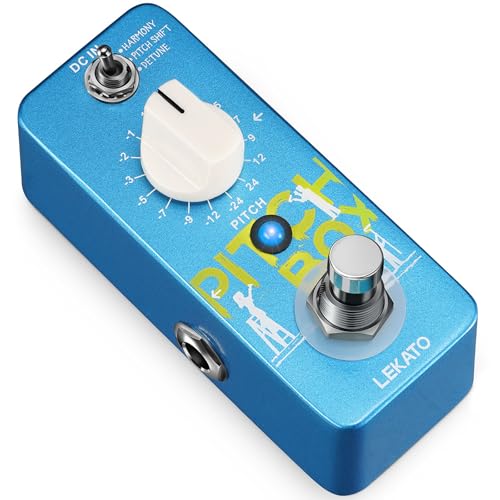
The LEKATO Mini Pitch Box Harmonizer provides three core effects: Harmony, Pitch Shift, and Detune. Harmony can shift tones up or down by two octaves for layered textures, while Pitch Shift delivers a full-wet output suitable for quick tuning adjustments. Detune adds subtle variations to your core tone. This pedal is well-suited for players who want a compact unit without sacrificing polyphonic accuracy. Best for solo performers who need versatile voice options on a small pedalboard. A limitation is the smaller control surface, which may require deeper tweaking for complex live tones. The pedal offers 16 customizable parameters with a ±2 octave range for personalized sound sculpting.
Who this is for: Keyboardists converting guitar parts, ambient players seeking shimmer, and live performers needing quick tonal shifts on stage. The presence of a true bypass helps maintain tone when the effect is off.
Digitech DROP Compact Polyphonic Drop Tune

The Digitech DROP focuses on downward pitch shifts with polyphonic tracking. It offers multiple semitone steps and two octave-down settings, all in a compact footprint. The true-bypass switching ensures your clean tone remains pure when the effect is not engaged. This pedal is a strong choice for players who frequently detune for heavier riffs or drop-tuned parts. A potential limitation is that some users may prefer additional gain control or expression options for dynamic live performances.
Donner Octave Guitar Pedal

The Donner Octave Guitar Pedal offers seven shift types and three tone modes (Sharp, Flat, Detune). It includes a Wet and Dry mix control to blend processed with dry signal, which helps preserve the original guitar character while adding octave or detuned layers. This pedal is best for players seeking broad tonal variety in a budget-friendly package. A caveat is that the range and feel may be less premium compared to higher-priced units, especially for complex chord work.
Mooer Drop Pitch Harmonizer (Camola)
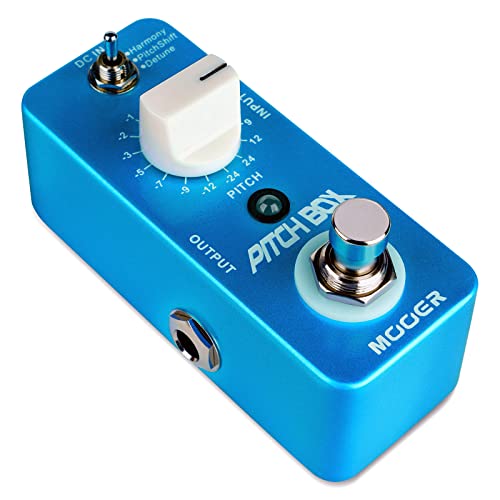
The Mooer (Camola) Drop Pitch Harmonizer provides three modes: Harmony, Pitch Shift, and Detune. It offers up to two octaves of pitch shifting with precise polyphonic accuracy and a ±2 octave range across 16 parameters. It’s compact, making it a practical choice for pedalboards needing versatile live and studio sounds. A limitation to watch is that the compact chassis can limit tactile control when performing fast on-the-fly adjustments.
Boss XS-1 Poly Shifter

The Boss XS-1 Poly Shifter stands out for its natural feel and clear response. It can transpose across seven semitones or three octaves, preserving core guitar tonal character. The natural response makes it well-suited for players who rely on precise tracking in live settings. Best for players who want a premium, compact solution and are willing to invest in top-tier pitch shifting performance. A possible limitation is that it may be pricier than some other options with similar feature sets.
Buying Guide
How to choose a pitch shifter pedal that fits your needs:
- Polyphonic tracking accuracy: Look for pedals advertised as precise polyphonic pitch shifting to avoid note muddiness when playing chords.
- Shift range and modes: Consider how many octaves and semitone options are required, plus modes like harmony, detune, and down-tuning.
- Output and dry/wet blend: A clear wet/dry mix helps you balance the new pitch with your dry guitar signal.
- Footswitch and control layout: If you perform live, ensure the footswitch action and knob access are comfortable in real time.
- Bypass quality: True bypass or high-quality buffer circuits preserve your tone when the effect is off.
- Size and power: For small boards, compact units with efficient power consumption are advantageous.
Frequently Asked Questions
- What is a pitch shifter pedal best for?
A pitch shifter can create harmonies, detuned textures, and octave effects, expanding the sonic range of a guitarist or bassist.
- Can pitch shifters track chords reliably?
Many modern pedals offer polyphonic tracking, which improves chord tracking, but performance can vary with complex chord voicings and low tunings.
- What should I consider for live use?
- Do I need a separate expression input?
Some pedals include EXP inputs for dynamic control, which can be helpful for live performance or studio work.
- Is there a best pedal for beginners?
A compact pedal with clear controls and solid polyphonic tracking is ideal for beginners exploring pitch effects.
- What about price vs. performance?
Budget options can deliver solid down-tune and octave effects, while premium units typically offer smoother tracking and more nuanced control.
Look for true bypass, reliable footswitches, compact size, and intuitive controls for quick on-stage adjustments.