
Best Power for Guitar Pedals: Reliable 9V Solutions for Your Pedalboard
Finding the right power supply for guitar pedals means balancing stability, noise reduction, and multi-pedal practicality. This guide highlights five solid options and explains who each is best for. Whether you run a compact board for practice or a larger rig for live gigs, these choices help ensure clean, consistent operation for multiple pedals at once.
Top picks overview: the list below focuses on 9V DC supplies with multi-port daisy chains, isolated outputs, and varying amperage. Ideal buyers include beginners building their first pedalboard, players expanding to more effects, and professionals needing reliable, low-noise power. The following table summarizes core specs to compare quickly.
| Product | Output | Isolated Outputs | Most Suitable For |
|---|---|---|---|
| JOYO DC 9V (800mA-1A) | 9V | 4-channel daisy chain | Simplified boards, up to 4 pedals |
| Pigtone DC 9V 1A | 9V | 1-to-8 daisy chain | Medium pedal setups, up to 8 pedals |
| JOYO 9V 1.2A | 9V | 5-channel daisy chain | Larger boards with several effects |
| D’Addario PW-CT-9V | 9V | Not isolated (unit-wide) | Direct 9V pedal power, minimal setup |
| Donner DP-1 | 9V/12V/18V | 10 outputs, divided by type | Expanded setups needing varied voltages |
JOYO DC 9V Power Supply With 4-Way Daisy Chain

This power supply offers 9V DC output with 800mA, up to 1A maximum. It uses a tip-negative design and includes a 4-way daisy chain to power up to four pedals simultaneously. Best for small pedalboards or practice rigs needing a simple, compact solution. A potential limitation is that all outputs are on a single supply rail, so users should monitor current draw to avoid overloading the unit.
Pigtone 9V DC Power Supply 1A

This unit delivers 9V at up to 1A, centered negative polarity with external positive and a 5.5×2.1mm plug. It is compatible with pedals drawing from 10mA to 1000mA and ships with a 1-to-8 daisy chain, enabling power to up to eight pedals. Best for growing boards that require moderate to high current across many effects. A caveat is that polarity care is essential when mixing pedals with different polarity needs on the same chain.
JOYO 9V 1.2A Power Supply With 5-Way Chain
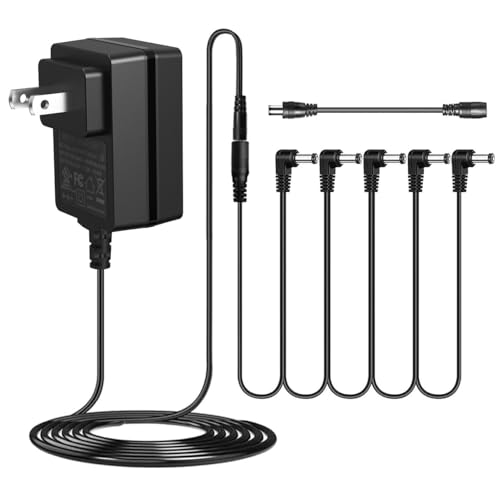
Designed for bass and guitar pedals, this unit outputs 9V at 1.2A and ships with five daisy chain cables totaling 4.92 feet. It includes a reverse polarity cable to accommodate pedals that require a different polarity. Best for multi-pedal rigs needing higher current and occasional 12V or 18V pedal support via the included voltage variants. Choose this if you need a flexible layout with a compact footprint and higher current headroom. A limitation is the slightly longer setup cable length, which may affect compact boards.
D’Addario 9V DC Pedal Power Adapter
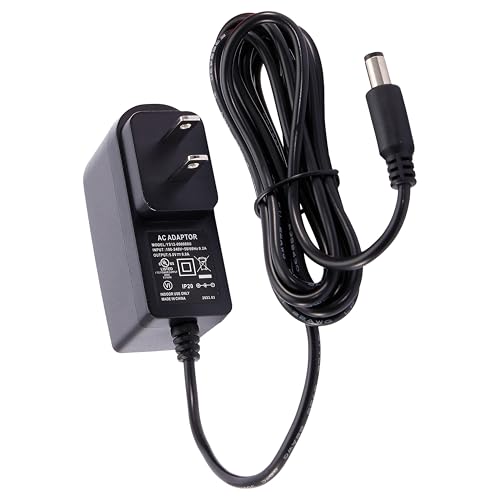
This D’Addario adapter is designed for 9V pedals, delivering 800mA max current. It emphasizes battery-free operation, converting wall power directly for consistent pedal performance. It’s a straightforward choice for riders who maintain a simple, reliable pedalboard. A limitation is that it does not specify multiple isolated outputs, which may matter for very noise-sensitive rigs with many devices on a single chain.
Donner DP-1 Isolated 9V Pedal Power Supply

This Donner model provides 10 isolated outputs, including multiple 9V channels and a 12V/18V option. Isolation helps reduce cross-talk and noise across pedals. It’s well-suited for larger pedalboards with diverse needs. Short-circuit protection keeps other outputs running if one channel fails. A possible drawback is the higher complexity of setup compared with simpler daisy chains.
Donner DPA-1 9V DC 1A Power Supply
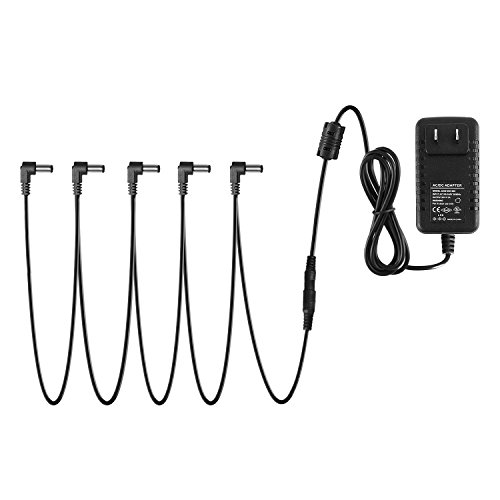
The Donner DPA-1 powers multiple devices with one 9V rail and can support keyboards and guitars. It includes a five-port daisy chain for several pedals and emphasizes stable, clean sound through high-quality copper core wiring. It’s best for players who want a straightforward, dependable power source for a growing pedalboard. A caution is that exact current distribution per pedal needs monitoring to avoid overloading any single channel.
Yueyinpu 10-Channel Isolated Pedal Power

This power supply provides 10 isolated outputs, across combinations of 9V and 18V options. It features short-circuit and overcurrent protection on each channel and a bright blue indicator to locate faults quickly. Best for very dense boards with many pedals across different voltage needs. A limitation to note is the multi-volt capability may be more than some compact boards require, potentially adding unnecessary cost for small rigs.
Buying Guide: Key Considerations For Selecting Pedal Power
- Isolated vs non-isolated outputs: Isolated outputs reduce noise and prevent interference between pedals. If your board has many effects, isolation is often worth the extra cost.
- Current headroom: Choose a power supply with total amperage that exceeds your combined pedal draw by a comfortable margin. Undersized units can lead to sag or noise under heavy load.
- Voltage and polarity: Most pedals use 9V with a negative center, but some pedals require different voltages or polarity. Verify compatibility before purchase.
- Number of outlets: Plan for future expansion. A daisy chain that supports more pedals now avoids buying a new supply later.
- Cable management: Some units include longer daisy chain cables or short-for-each-chord options. Think about how tidy you want your board to be.
- Portability and build quality: For road gigs, a rugged, compact unit reduces space and risk of failure on stage.
FAQ
- What is the main difference between isolated and non-isolated pedal power? Isolated outputs reduce ground loop noise and cross-talk between pedals, improving overall signal integrity on larger boards.
- How many pedals can a 9V power supply typically run at once? It depends on the current draw of each pedal. A 1A supply can power several pedals with lower current needs; higher-current pedals or many effects may require more headroom or isolated outputs.
- Do I need 12V or 18V outputs on my pedal power supply? Some pedals require voltages other than 9V. If you use such pedals, a supply offering 12V or 18V can simplify wiring and minimize adapters.
- Can I daisy-chain pedals with different brands on one supply? Yes, but ensure correct polarity and that the current needs are within the supply’s limits. Isolation helps when mixing brands to reduce noise.
- Is it better to buy a larger power supply upfront or add as I expand? Start with a unit that provides headroom for your current setup and potential growth to avoid frequent replacements.
- Should I use a power brick with reverse polarity cables? If your pedals include non-standard needs, a unit with a reverse polarity option can prevent compatibility issues and simplify connectivity.