
Finding the right 10 inch subwoofer means balancing power, size, and application—home theater, car, or compact rooms. Below is a concise comparison table of the selected subwoofers followed by focused product sections and a practical buying guide.
| Product | Type | Key Strength | Brand |
|---|---|---|---|
| Polk Audio PSW10 | Powered Home Subwoofer | Compact Design, 100W Dynamic | Polk Audio |
| Klipsch R-100SW | Powered Home Subwoofer | All-Digital Amp, Deep Output | Klipsch |
| Yamaha NS-SW100 | Powered Home Subwoofer | Advanced YST II, Tight Bass | Yamaha Audio |
| Skar Audio Dual 10″ SDR | Loaded Enclosure + Amp | High Peak/RMS Power, Dual 10s | Skar Audio |
| Kicker 51HS10 Hideaway | Compact Powered Car Sub | Compact Hideaway Design, Remote | KICKER |
Polk Audio PSW10 10″ Powered Subwoofer
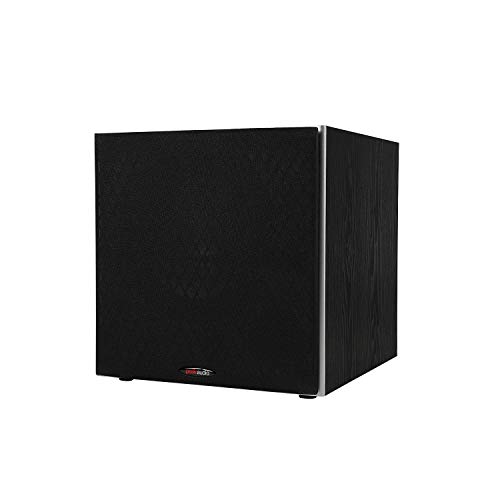
The Polk Audio PSW10 Is A Powered Subwoofer With A 10-Inch Dynamic Balance Woofer And A Directed Port For Enhanced Low End. Designed For Small-To-Mid Rooms, It Features 100 Watts Dynamic Power (50W RMS) And Timbre Matching To Blend With Polk Monitor And T-Series Speakers. Setup Is Straightforward For Home Theater And Stereo Systems. The PSW10 Emphasizes Durability Through Resonance-Resistant Driver Materials And A Compact Enclosure That Prioritizes Deep, Controlled Bass Without Excessive Size.
Klipsch R-100SW 10″ Subwoofer

The Klipsch R-100SW Uses A 10″ Front-Firing Spun-Copper IMG Woofer Paired With An All-Digital Amplifier Capable Of High Peak Output. It Offers User Controls Including Volume, Low-Pass Crossover, And Phase Adjustment, Enabling Precise Integration With Existing Speakers. The Built-In Digital Amplifier And Robust Driver Design Aim To Deliver Deep Impact While Preserving Clarity At Higher Output Levels, Making It Suitable For Home Theater And Music In Medium Rooms.
Yamaha Audio NS-SW100 10″ 100W Powered Subwoofer

The Yamaha NS-SW100 Incorporates Advanced YST II (Yamaha Active Servo Technology II) And A 10″ Cone Woofer With A Twisted Flare Port To Deliver Tight, Controlled Bass. This Design Focuses On Low-Frequency Accuracy And Reduced Distortion. The Subwoofer Is Designed To Integrate Seamlessly With Yamaha Systems Or Other Speakers, Offering Balanced Extension For Small-To-Medium Listening Environments.
Skar Audio Dual 10″ SDR Series Loaded Subwoofer Package
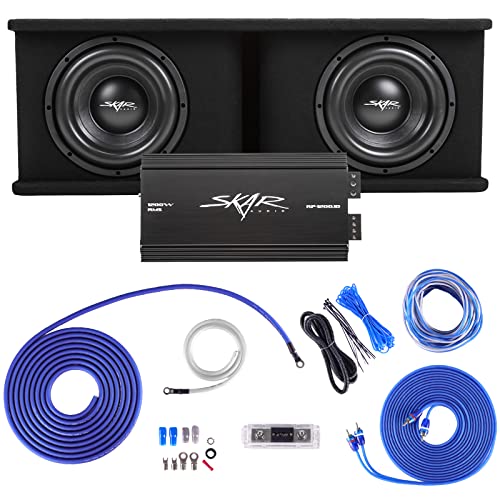
This Skar Audio SDR Series Package Is An All-In-One Dual 10″ Loaded Enclosure With Amplifier Engineered For High Output. The Kit Lists Substantial Peak And RMS Power Figures, With The Enclosure And Amp Matched To Deliver Powerful Low-End Performance For Vehicles Or Dedicated High-SPL Applications. The Dual-Woofer Vented Enclosure Offers Increased Output And SPL Potential Compared To Single-10 Solutions, Making It A Fit For Users Prioritizing Maximum Bass In Mobile Installations.
Kicker 51HS10 Hideaway Compact Powered 10-Inch Subwoofer

The Kicker 51HS10 Hideaway Is A Compact Powered Subwoofer Designed For Under-Seat Or Tight-Car Installations. It Features An All-Aluminum Frame, Adjustable Low-Pass Crossover, Bass Boost, Phase Switch, And A Remote Control For On-The-Fly Bass Adjustment. Two Auto Turn-On Options (DC-Offset Or Signal Sensing) Simplify Integration. The Hideaway Form Factor Prioritizes Space Savings While Delivering Noticeable Low-Frequency Extension For Automotive Use.
Buying Guide: How To Choose A Powerful 10 Inch Subwoofer
Application And Placement: Decide whether the subwoofer will be for home theater, music listening, or vehicle use. Home subwoofers can be larger and benefit from room placement options; vehicle subs prioritize compact enclosures and power efficiency.
Power Ratings: Understand the difference between RMS (continuous) and peak power. RMS gives a realistic expectation of sustained output. Higher peak numbers indicate transient headroom but don’t replace RMS for sustained listening levels.
Driver And Enclosure Type: Sealed enclosures typically provide tighter, more accurate bass, while ported/vented enclosures produce higher output and deeper extension at specific frequencies. Dual-driver enclosures increase SPL potential but require more power and space.
Amplification: Powered (active) subwoofers include an amplifier matched to the driver and enclosure for simplified setup. Passive subwoofers require an external amp sized appropriately. All-digital amps often offer higher efficiency and lower heat.
Room Size And SPL Needs: Match driver and power to room size. Small rooms benefit from compact 10″ sealed or ported subs for accuracy. For high SPL demands, consider dual-10 or higher-powered solutions—especially in cars or dedicated listening spaces.
Controls And Integration: Look For Low-Pass Crossover, Phase Control, And Variable Volume to integrate with existing speakers. Remote bass controls or auto turn-on features are useful in cars. Timbre matching and crossover slopes help smooth blends with main speakers.
Frequency Response And Tuning: Check manufacturer specs for low-frequency extension. Subwoofers tuned lower deliver deeper bass, but integration and room acoustics influence perceived response. Use placement and crossover adjustments to reduce boomy or uneven bass.
Build Quality And Materials: Cone material, cabinet bracing, and port design affect clarity and durability. Look for resonance-resistant materials and well-constructed enclosures for long-term performance.
Portability And Space Constraints: For under-seat or compact installations, choose slim or hideaway designs. For home setups where space is available, larger sealed or vented enclosures yield more output and deeper extension.
Multiple Comparison Perspectives:
- Home Theater vs Music: Home theater often benefits from higher output for LFE but may tolerate less precision; music prioritizes tight transient response.
- Single vs Dual Drivers: Single 10″ subs offer compactness and accuracy; dual 10″ setups provide more SPL and lower distortion at high outputs.
- Active vs Passive: Active subs simplify installation and ensure gain matching; passive subs offer flexibility with external amplification choices.
Final Selection Tips: For balanced home use, prioritize tight bass control (sealed or well-tuned ported designs) and adequate RMS power. For maximum SPL in cars, consider matched loaded enclosures with higher RMS ratings. For compact installations, prioritize form factor and accessible controls like remote level and crossover adjustment.