Best Preamps With XLR Outputs for Clearer Audio
The top preamps with XLR outputs offer cleaner, balanced sound and better noise rejection for both home audio and studio setups. This guide targets buyers seeking XLR-balanced connections, with options for turntables, digital sources, and hi-fi systems. Each pick is evaluated for who benefits most, from audiophiles to home theater enthusiasts. Below is a quick summary table of five strong choices to consider.
| Product | Best For | Key Benefit |
|---|---|---|
| Fosi ZP3 | Home audio fans with multiple inputs | Balanced XLR and versatile input/output |
| Douk P7 | Turntable lovers | Vacuum tube tone with true XLR output |
| Fosi ZD3 | Minimalist desktop setups | Fully balanced DAC with HDMI ARC |
| StudioMan CL-200 | Podcasting and mic-heavy setups | Dual-channel phantom-powered gain |
| AIYIMA T20 | Customize tone for hi-fi fans | Swappable tubes and op-amps for tone shaping |
Product combinations in this guide cover a range of needs: multi-source integration, turntable phono stages with balanced outputs, high-fidelity DAC/preamp blends, microphone-centric preamps, and flexible tube/solid-state options. Each entry notes who it’s best for, why it stands out, and a practical limitation to consider.
Fosi Audio ZP3 Balanced Preamp
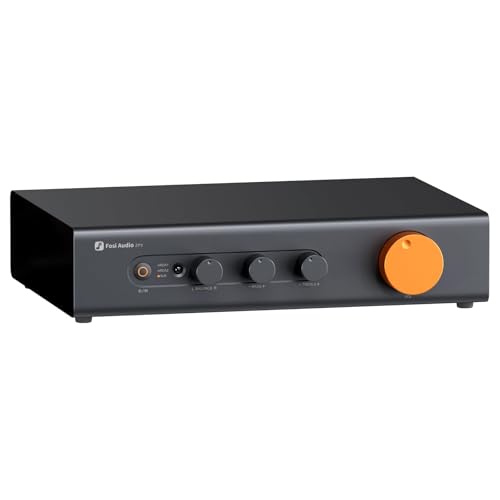
The ZP3 is a compact home audio preamplifier with 3-in/3-out connectivity, including two RCA inputs and one XLR input, plus RCA/XLR/Sub-Out outputs. It supports balanced XLR in/out for cleaner signal paths and provides RN-friendly noise reduction through quality components. A remote control simplifies input switching and volume on a single system. Best for: users with multiple sources (CD players, streaming boxes, turntables via RCA) who want clean, balanced output to a stereo amp or powered speakers. Limitation: not a full-featured DAC; rely on downstream DAC for digital sources.
Who it’s for: Home audio enthusiasts needing flexible connection options without moving to a full-blown studio mixer. Why selected: strong balance between versatility and sound quality with genuine XLR capability and a tone-control option for light room correction.
Douk Audio P7 Phono Preamp
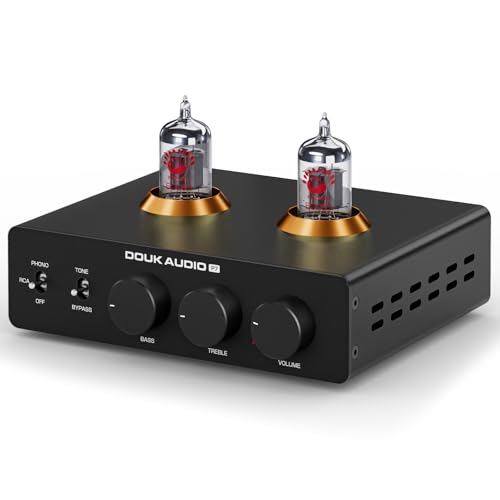
The P7 phono preamp doubles as a tube preamp with a true XLR balanced output. It excels for turntable users who want a warm, lush presentation while maintaining a wide dynamic range. The unit includes a high-pass filter to reduce subsonic rumble and a bass/treble control for tonal shaping. Best for: vinyl lovers who want a tube-enhanced signal path and a balanced output to downstream amplifiers or active speakers. Limitation: tone controls and HPF are most beneficial on phono inputs; other sources may not need the same color or HPF effect.
Who it’s for: Turntable enthusiasts seeking a warmer, fuller sound with a clean XLR line to power amplifiers. Why selected: notable for a tube-driven texture with a true balanced output and dedicated phono features.
Fosi ZD3 Desktop DAC Preamp

The ZD3 is a fully balanced DAC preamp with ES9039Q2M DAC, offering HDMI ARC input and XLR/RCA outputs. It provides a compact desktop form with a high-quality chipset for rich stereo playback. Best for: buyers who want a single-box digital-to-analog solution with flexible inputs (Bluetooth, USB, optical/coax) and balanced outputs. Limitation: HDMI ARC performance can vary with source devices and may require careful setup for optimal lip-sync and playback alignment.
Who it’s for: Desktop audiophiles and small-space setups needing a high-fidelity DAC with balanced outputs. Why selected: strong digital-to-analog conversion capability in a space-saving design, with broad input compatibility.
StudioMan CL-200 2-Ch XLR Preamp

The CL-200 provides dual-channel, 25 dB clean gain for passive and dynamic microphones, with a compact metal housing and phantom power compatibility. It uses low-noise circuitry to minimize hiss and distortion while maintaining strong, detailed vocal and instrument signals. Best for: voice-over, podcasting, and small studio tasks requiring clean mic preamplification with XLR I/O. Limitation: phantom power is not passed to condenser mics, so use dynamic mics or separate phantom power for condensers.
Who it’s for: podcasters and home studios needing a dedicated dual-channel mic preamp with controlled gain. Why selected: clear, studio-grade signal with low noise and straightforward operation in a compact form factor.
AIYIMA T20 Tube Preamp
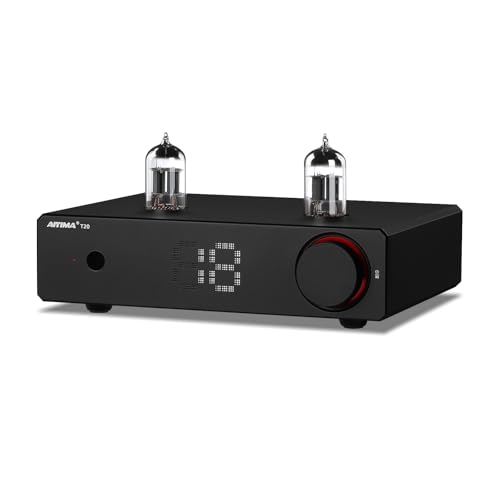
The T20 offers a fully balanced path with tube-driven warmth and the option to swap both tubes and op-amps. It supports XLR and RCA inputs/outputs, designed for 2-channel hi-fi and 2.1 theater setups. Best for: audio lovers who want tone shaping through tube and op-amp swaps. Limitation: tube- and op-amp-swapping adds complexity and ongoing maintenance for users who prefer a plug-and-play solution.
Who it’s for: enthusiasts who want customizable tone and a hands-on approach to shaping their listening experience. Why selected: flexible, high-fidelity pathway with extensive customization options for sound signature.
Buying Guide: What To Consider When Choosing a Preamp With XLR Outputs
- Purpose and setup: Decide whether you mainly need vinyl (phono), line-level sources, or a microphone-centric workflow. A model with a dedicated phono stage or high-pass filter can improve turntable clarity, while a DAC/preamp hybrid suits digital-heavy setups.
- Connectivity and balance: Look for true balanced XLR outputs and multiple inputs. Balanced connections reduce noise over longer runs, which is valuable in larger rooms or multi-device rigs.
- Sound shaping features: Tube or op-amp swaps, tone controls, and high-pass filters enable tonal adjustments. If you want minimal coloration, choose a transparent design with careful component selection.
- Phantom power: If you plan to use dynamic mics, you may prefer devices with adjustable phantom power. Note whether condensers can be powered through the device or require a separate supply.
- Size and integration: Desktop-friendly units save space, while rack-mount or larger chassis may suit studio desks with multiple accessories.
- Compatibility: Ensure downstream gear (amplifiers, DACs, or powered speakers) match your outputs (XLR, RCA, or others) and your source formats (PCM, DSD, etc.).
FAQ
- What is the main advantage of an XLR output on a preamp?
XLR outputs provide balanced connections that reject noise and hum over longer cable runs, delivering cleaner, more stable audio into amplifiers or powered speakers. - Should I choose a tube preamp or solid-state for XLR setups?
Tube preamps add warmth and harmonic richness, while solid-state designs tend to be more neutral and transparent. Your preference and source material determine the best choice. - Do I need a phono stage if I have a digital-only setup?
No. If you only use digital sources, focus on DAC/preamp features and balanced outputs. A phono stage is only necessary for analog turntables. - Can I use phantom power with all mics on these preamps?
Phantom power availability varies by model. Some preamps provide phantom power for microphone inputs, while others power only certain channels or require separate supplies for condensers. - Is a DAC necessary in a preamp with XLR outputs?
If you have digital sources, a DAC is essential. Some preamps include DACs, while others are purely analog and rely on an external DAC in the chain.