
Best 15-Inch Pro Studio Subwoofers for Balanced Bass and Clear Mixes
Answering the needs of professional studios, live rigs, and large-room systems, these 15-inch pro studio subwoofers deliver deep, controlled bass with efficient power handling. This guide highlights five solid options suited for sealed or vented enclosures, including options for both passive and active configurations. Ideal buyers include studio owners building a nearfield or midfield system, venue engineers enhancing low-end impact, and DJs seeking reliable low-frequency extension without distortion.
Summary table of selected products:
- Eminence Beta-15A — 15″ pro audio woofer, 8 Ohm, 300 W; best for studio monitors and two/three-way systems
- Eminence Kappa-15A — 15″ pro audio speaker, 8 Ohm, 450 W; better for vented mid-bass/bass enclosures
- Goldwood GW-215/40/8 OEM 15″ Woofer — 8 Ohm, up to 300 W; strong value for replacements in PA or studio subs
- PreSonus Eris Pro Sub 10 — 10-inch active sub; best for compact studios needing front-firing design
- Harmony Audio HA-P15WS8 — 15″ PA replacement sub; robust and versatile for pro PA and studio setups
Eminence Beta-15A 15″ Pro Audio Speaker

The Beta-15A is a versatile woofer designed for sealed and vented enclosures. It offers optimized frequency response and power handling, making it a solid choice for 2/3-way speaker systems, as well as guitar, bass, keyboard combos, or studio monitors. Best for engineers looking for a reliable, traditional 15″ woofer with strong low-end extension. Caution: performance depends on enclosure tuning and system crossover choices.
Eminence Kappa-15A 15″ Pro Audio Speaker

The Kappa-15A provides higher power handling and is well-suited for vented mid-bass or bass enclosures. It also adapts nicely to bass guitar applications. This makes it a better pick for studios seeking strong bass impact with headroom for loud mixes. Limitation: design emphasis on power handling, so enclosure design should match specifications for best results.
Goldwood GW-215/40/8 OEM 15″ Woofer

Goldwood’s GW-215/40/8 is a cost-effective 15″ woofer with 8-ohm impedance and a solid 150 W RMS/300 W peak rating. Its 20–2500 Hz range supports general bass duties in PA or studio subs, and its poly laminated cone with vented pole pieces helps reduce distortion. Choose this for budget-conscious studios or replacement projects. Caution: not a high-end choice for ultra-studio critical listening; consider higher excursion designs if your mix requires ultra-low bass clarity.
PreSonus Eris Pro Sub 10 — 10-Inch Active Sub

The Eris Pro Sub 10 is an active, front-firing subwoofer with a 10″ driver and a bass-reflex port. It includes a continuously variable lowpass filter (50 Hz to 130 Hz) to tailor the low end to your main monitors. This model is best for small to medium studios needing tight, controllable bass with simple integration into an existing Pro Studio setup. Limitation: 10″ woofer size may limit ultimate extension compared to larger 12–15″ subs in very bass-heavy rooms.
Rockville SBG1158 15″ Passive Subwoofer

The Rockville SBG1158 delivers 800W peak and 400W RMS in a durable MDF cabinet, designed for DJ gigs, live sound, and large events. It includes multiple connection options (SpeakON, 1/4″ jack, binding posts) for flexible setup. Best for projects requiring high output and a rugged build. Caution: passive design requires a suitable amplifier and proper enclosure alignment to avoid under/over-excursion in small rooms.
Eminence Delta15B 15-Inch American Standard Series
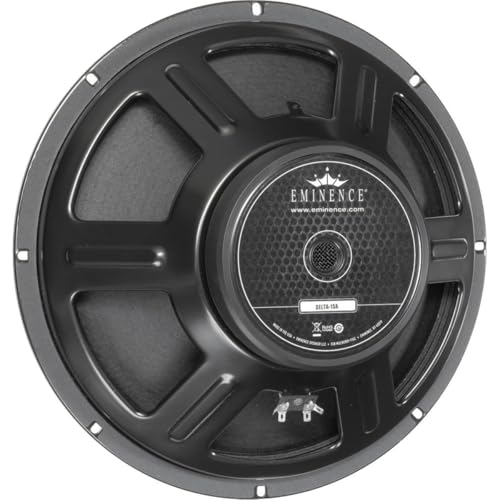
The Delta15B is a 15-inch speaker from Eminence’s American Standard line. While primarily listed for general speaker use, its dimensions and weight indicate suitability for larger studio subs when paired with the right enclosure. Best for studios needing a robust, proven 15″ driver as part of a larger system. Limitation: data is broad; exact enclosure compatibility should be confirmed before purchase.
Goldwood GW-215/40/8 OEM 15″ Woofer (Replacement)
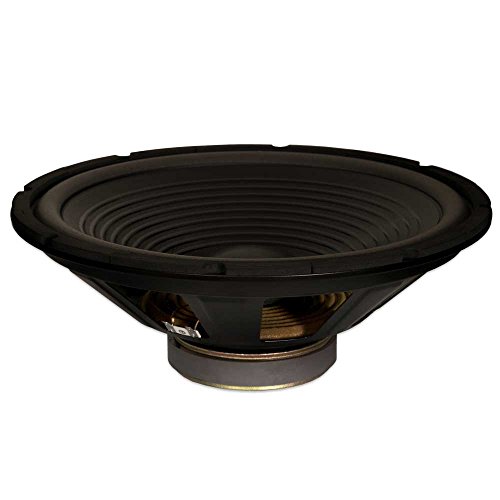
This replacement 15″ woofer is similar to the GW-215/40/8 used in various enclosures. It provides 150 W RMS and 300 W max, 8-ohm impedance, and a broad 20–2500 Hz range. Best for upgrading or refurbishing existing studio subs or PA cabinets. Caution: verify enclosure compatibility and mounting depth before ordering.
Harmony Audio 15″ PA Replacement Woofer

The Harmony Audio HA-P15WS8 is a robust 15″ pro PA subwoofer replacement designed for compatibility with Mackie Thump15A and similar cabinets. It delivers up to 800W in a 8-ohm configuration, suitable for professional audio environments. Best for upgrading existing studio or PA systems that require durable, high-power bass without adding significant cabinet changes. Limitation: intended as a replacement; verify exact fit and mounting compatibility with your cabinet.
Buying Guide: Key Purchase Considerations
What enclosure fits best? Subwoofers perform as a system when paired with the proper enclosure (sealed vs. vented). For studio use, sealed enclosures tend to offer tighter mid-bass, while vented designs provide deeper extension. Consider enclosure volume, tuning frequency, and crossover points relative to your main monitors.
Active vs. passive: Active subs include built-in amplification and are easier to integrate in small studios. Passive subs require an external amplifier or powered speaker system. Choose based on available space, amplification headroom, and whether you want to centralize amplification or distribute power across multiple cabinets.
Power handling and headroom: Look for RMS ratings that meet or exceed the demand of your low-end program material. Higher wattage provides headroom for loud mixes and live environments but requires correct cooling and a compatible amplifier stage to avoid distortion.
Impedance and compatibility: 8-ohm drivers are common and easy to integrate with many amps. Ensure the cabinet impedance matches the amplifier’s load rating and that the system’s overall impedance is safe for your power amplifier chain.
Driver size and extension: A 15″ driver typically offers strong low-end extension for larger rooms. If space or monitoring needs are compact, a 10″ or 12″ active sub may provide a better balance of size, weight, and bass reach. For very bass-heavy genres, ensure the package includes appropriate low-frequency control (low-pass filters, phase alignment).
Durability and setup: MDF cabinets with bracing reduce resonance and ensure cleaner bass response. Look for protective finishes and mounting options (pole mounts or flush mounting) to suit your room and rig configuration. Port tuning and cabinet build quality impact overall performance and longevity.
FAQ
- What size sub is best for a small home studio?
- Should I choose a passive or active 15″ sub for a pro studio?
- Can a 15″ sub work well for a vocal-heavy mix room?
Yes, when paired with a proper crossover and proper impedance matching, a 15″ sub can deliver clean, controlled bass without overwhelming the midrange.
- How important is enclosure type for a 15″ driver?
- What should I watch for when replacing a driver in an existing cabinet?
- Do higher wattage drivers always sound louder?
A 10″ to 12″ sub with accurate low-end control is often ideal for small spaces, balancing footprint with bass extension.
Active subs are simpler to integrate in small studios; passive subs may be preferred when you want to custom-tailor amplification or pair with a specific amp head.
Enclosure type (sealed vs. vented) significantly affects bass tightness and extension. Match enclosure specs to the driver’s recommendation for best results.
Confirm mounting depth, flange size, magnet structure, and voice coil diameter to ensure a proper fit and reliable performance.
No. Loudness depends on efficiency (sensitivity), enclosure tuning, and amplifier matching. Correctly paired components produce clean, impactful bass without distortion.