Best Professional in-Ear Monitors for Musicians and Audio Engineers
Discover top professional in-ear monitors designed for stage reliability, clarity, and comfort. This guide highlights five models ideal for live performers, studio engineers, and serious audiophiles who need accurate on-stage monitoring. Each pick targets specific needs—from ultra-secure fit and detailed high frequencies to rugged cables and premium driver configurations. Use the comparison notes to decide which pair best fits your performance style, venue size, and comfort preferences. The quick-reference table below helps you compare key traits at a glance.
| Product | Best For | Key Benefit |
|---|---|---|
| Ultimate Ears UE 350 Pro | Musicians needing stage headroom | Triple Knowles drivers for wide dynamic range |
| Linsoul ZS10 Pro | Detail-oriented listeners and gamers | 4 BA + 1 DD for bright highs and strong mids |
| BASN Bmaster | Budget-conscious performers | Three-driver setup with secure fit |
| Sennheiser IE 100 PRO | Professionals requiring reliable monitoring | 10 mm dynamic transducer, distortion-controlled |
| YINYOO KBEAR Storm | Singers and drummers on restricted setups | Lightweight design with durable cable |
ULTIMATE EARS PROFESSIONAL UE 350 Universal In-Ear Monitors
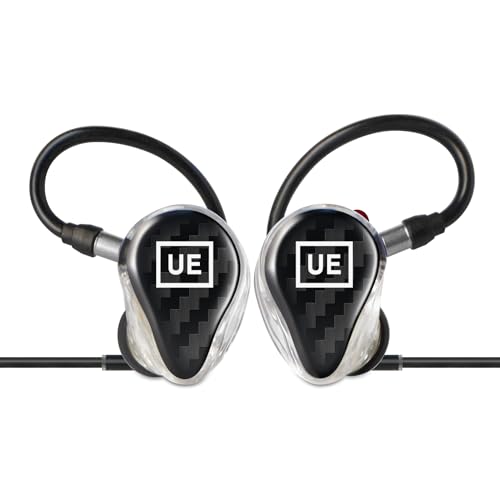
The UE 350 Pro uses triple Knowles balanced armature drivers to deliver enhanced headroom and dynamic range for live audio. A dual low-mid driver with a dedicated high-frequency driver adds detail and clarity across frequencies. The Perform Fit design prioritizes a secure, comfortable seal ideal for extended performances. Best for musicians and audio engineers who need robust stage listening without fatigue, especially in demanding venues. A potential limitation is that the triple-driver setup may require careful ear-tip selection for optimal isolation.
Linsoul ZS10 Pro: 4BA+1DD Hybrid In-Ear Monitor

The ZS10 Pro mixes four balanced armatures with one dynamic driver for a bright, dynamic sound with extended highs, thanks to a high-frequency emphasis beyond 40 kHz. Its 304 stainless steel faceplate and durable resin cavity pair with a detachable gold-plated cable for upgradability and longevity. This model suits detail-focused listeners and gamers who want crisp highs and a polished midrange. Choose this if you value extended highs and a refined overall texture, but be aware of potential micro-details that may feel overly bright in some genres.
BASN Bmaster Triple Drivers In-Ear Monitor
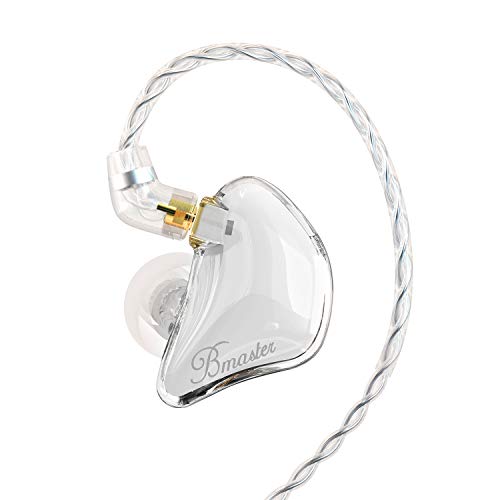
This BASN model features a three-driver setup designed to deliver balanced sound with clear bass, mids, and treble. The ergonomic, custom-like fit and ear-hook cable help keep the monitor stable during live performances. Best for audio engineers and musicians who need reliable isolation and comfort on stage at an affordable price. A limitation is that without premium drivers or adaptive fit tech, isolation and sonic nuance may be less extended than higher-end models.
SENNHEISER IE 100 PRO Dynamic In-Ear Monitoring

The IE 100 PRO uses a dynamic 10 mm transducer for powerful, precise monitoring, with a distraction-minimizing dynamic driver system that reduces acoustic stress through distortion-free reproduction. It’s well-suited for professionals who require reliable, consistent sound reproduction in varied venues. Note that ear tip fit can influence seal and sound, so selecting snug tips is essential for optimal performance.
YINYOO KBEAR Storm Professional In-Ear Monitors

The KBEAR Storm emphasizes light weight and comfortable wear, featuring a strong dynamic driver and a durable, detachable OFC cable. Its wrap-around ear design helps prevent slippage during performances, making it ideal for singers, drummers, and other performers who move on stage. A limitation is that without premium drivers, it may not deliver the same ultra-wide dynamic range as higher-end models; suitable for moderate monitoring needs and comfort-focused performers.
Buying Guide: Key Considerations for Professional In-Ear Monitors
What should I look for in driver configuration?
Driver configuration affects detail, headroom, and balance. Triple balanced armature sets deliver crisp highs and precise mids but can require careful fit. Dynamic drivers offer strong bass and a more natural timbre. For stage use, a hybrid approach (BA+DD) can provide a wide, accurate range without excessive fatigue.
How important is isolation and fit?
A secure seal prevents sound bleed and improves bass response. Look for models with multiple tip sizes and ergonomic shapes. For performers who move on stage, consider ear-hooks or over-the-ear designs that minimize cable noise and keep the monitor in place during performances.
What cable and durability features matter?
Detachable cables enable quick replacements and upgrades. Look for gold-plated connectors, braided or reinforced cables, and strain relief. Durable housings and scratch-resistant faces help long-term reliability under stage lights and sweat.
Are tips and accessibility critical?
Tip material and size strongly influence comfort and seal. If you have sensitive ears, try foam tips or silicone variants to find the best fit. Accessibility with a range of sizes ensures most users can achieve an optimal seal and consistent sound.
What about compatibility with gear?
Professional in-ear monitors should work with common 3.5 mm jacks, adapters, and wireless systems if you plan to route them from mixers or stage packs. Detachable cables help pair with various upgradability options without replacing the entire unit.
How should I compare models quickly?
- Best for high headroom and live dynamic range: UE 350 Pro
- Best for ultra-detailed highs and a premium build: Linsoul ZS10 Pro
- Best budget-friendly three-driver option: BASN Bmaster
- Best reliable monitoring with a robust transducer: Sennheiser IE 100 PRO
- Best lightweight, stage-mobility oriented option: YINYOO KBEAR Storm
Frequently Asked Questions
- What is the difference between BA and DD in-ear drivers?
– Balanced armature drivers (BA) excel in detail across mid/high frequencies, while dynamic drivers (DD) excel at bass and low-end response. Hybrid models combine both for a broader overall sound. - How do I know if these monitors will fit me?
– Try multiple tip sizes and materials, and consider ear anatomy. Look for ergonomic shapes and, if possible, models with adjustable or replaceable cables. - Can in-ear monitors replace stage wedges?
– In-ear monitors provide personal isolation and precise monitoring, which can reduce the need for stage wedges for some performers, but setups vary by venue and preference. - Is the cable upgrade worth it?
– Upgraded cables can improve durability and conductivity, extend life, and reduce signal loss, especially with frequent stage use. - Are these monitors suitable for studio listening?
– They can be used for studio reference, but purists may prefer monitors calibrated for mixing and mastering in acoustically treated rooms. - How important is a secure fit on stage?
– A secure fit minimizes stage noise, prevents cable movement, and maintains consistent sound, especially for performers who move vigorously.