
Best Professional Vocal Recording Microphones for Clear, Studio-Quality Voice Capture
If you’re aiming for broadcast-level vocal clarity, these professional vocal recording microphones are best suited for singers, podcasters, streamers, and voice-over artists who want low noise, focused pickup, and reliable performance. The top picks include USB and XLR options to fit any setup, from home studios to small professional rigs. The following five models balance sound quality, build, and practical use, helping you choose the right mic for your vocal workflows. Below is a quick buyer’s table and a detailed comparison of each option.
| Product | Best For | Connection | Why It Stands Out |
|---|---|---|---|
| RØDE NT1 Signature Series Studio Condenser Microphone | Professional vocalists and home studios | XLR | Extremely low self-noise; trusted large-diaphragm flavor |
| Shure SM58 Pro XLR Dynamic Vocal Microphone | Live vocals and broadcasting | XLR | Warm vocal tonality; rugged, stage-ready build |
| FIFINE T669 Studio Condenser USB Microphone | Simple plug-and-play recording | USB | Direct USB connection; solid front-end sound |
| ZealSound Podcast Microphone | Podcasters and streamers | USB | Built-in noise reduction and easy compatibility |
| PROAR XLR Condenser Microphone | Home studios with external interface | XLR | Focused cardioid capture; solid desktop setup |
RØDE NT1 Signature Series Studio Condenser Microphone
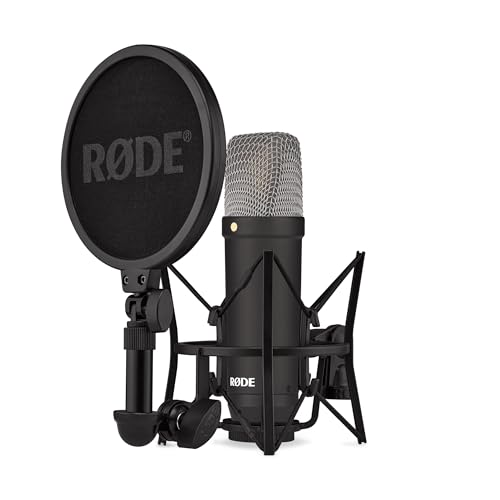
The NT1 Signature is a large-diaphragm condenser microphone renowned for studio vocal voicing, used by professionals for two decades. It’s ideal for singers, voice-over artists, and broadcasters seeking a detailed, airy, low-noise capture. It comes as a complete vocal setup with a shock mount, pop filter, and XLR cable, making it a strong choice for those who want a ready-to-record package. Best for studios or home setups where quiet operation matters most. Caution: Requires an audio interface or mixer with phantom power to use its XLR output.
Dejasound Upgraded Studio Recording Microphone

The Dejasound USB condenser microphone is plug-and-play for PC, smartphones, and laptops. It suits podcasters and home-studio vocalists who want a simple setup without an audio interface. It features a cardioid pattern, 16mm diaphragm, 192kHz/24-bit resolution, and a wide 30Hz–16kHz response for clear vocal detail. Best for solo recording, voice-overs, and live-streaming. Caution: USB-only convenience may limit professional-grade control compared to XLR setups.
Shure SM58 Pro XLR Dynamic Vocal Microphone

The Shure SM58 Pro is a legendary dynamic vocal mic, prized for its warm, articulate presence and reliability on stage and in the studio. Its cardioid pattern helps reject background noise, making it suitable for noisy environments or recording rooms with some acoustic challenges. Best for live performances, podcasts, and broadcast-style voice work. Caution: Dynamic mics generally require more preamp gain; ensure your interface can deliver clean signal without distortion.
PROAR XLR Condenser Microphone

The PROAR XLR condenser microphone is tailored for someone seeking focused vocal capture in a compact desktop setup. It uses a cardioid back-electret capsule and a solid chassis to minimize interference. It requires an external audio interface or mixer with 48V phantom power to operate. Best for home studios with limited space, where a dedicated mic and interface are preferred. Caution: Requires external phantom power; not a standalone USB microphone.
FIFINE T669 Studio Condenser USB Microphone
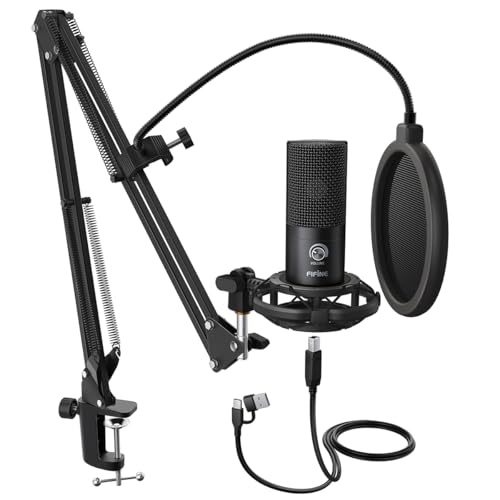
The FIFINE T669 is a USB condenser mic kit designed for simple one-cable setup and sits well for podcasts, voice-overs, and streaming. It offers a cardioid pattern, solid sound with a broad frequency response, and comes with a desktop stand and an 8.2-foot USB cable. Best for beginners or creators who want fast setup without extra gear. Caution: USB mic may offer less flexibility than an XLR system in professional environments requiring outboard gear.
ZealSound Podcast Microphone

The ZealSound K66 USB microphone targets podcasting and content creation with a cardioid capsule and a broad 40Hz–18kHz range. It includes a mute button, gain control, and monitoring options, plus USB-C and Lightning adapters for multi-device compatibility. Best for multi-platform creators who record on desktops and mobile devices. Caution: Noise reduction modes are helpful, but won’t replace a treated room for critical studio work.
Buying Guide: Key Considerations For Choosing A Professional Vocal Microphone
- Connection type: USB mics are easiest to set up, while XLR mics typically deliver higher fidelity but require an audio interface or mixer. Choose based on your current gear and future expansion.
- Delivery and noise: Condenser mics offer high-fidelity vocal detail but are more sensitive to room noise. Dynamic mics excel in untreated spaces and on stage, with lower sensitivity to ambient noise.
- Polar pattern: Cardioid patterns focus on the voice and reject side/back noise. If you’re recording in a small room, cardioid is often the best starting point.
- Phantom power: XLR condensers usually require phantom power (48V). Ensure your interface or mixer provides this capability if you choose an XLR model.
- Included accessories: Shock mounts, pop filters, and sturdy stands improve vocal quality by reducing plosives and vibrations. Consider bundles if you want a complete setup.
- Intended use: For live performances, a robust dynamic mic like the SM58 is favored. For studio vocal takes, a condenser like NT1 or T669 typically delivers more detail.
- Future-proofing: If you plan to upgrade, consider a microphone that scales with a bigger interface or a higher-end preamp chain to maximize fidelity over time.
Frequently Asked Questions
- What’s the main difference between USB and XLR mics? USB mics are plug-and-play with computers and are easier to use, while XLR mics require an interface but often deliver higher fidelity and control.
- Do I need a pop filter? Yes, a pop filter helps reduce plosive sounds (like P and B) that can cause spikes in the recording. It’s commonly recommended for vocal work.
- Can I record with any mic in a home studio? Yes, but room acoustics and mic choice matter. Condensers need a quieter room, while dynamics work well in less treated spaces.
- Is phantom power necessary for all mics? No. Only condenser mics (with XLR) generally require phantom power; dynamic mics typically do not.
- Should I buy a kit or individual components? A kit offers convenience and value for beginners, but individual components allow better customization for a growing studio.
- What mic is best for podcasting? USB mics with built-in noise handling, like ZealSound or FIFINE USB models, are popular for straightforward podcasting setups; for premium sound, pair a cardioid condenser with a good interface.