
Best Vocal Reverb Box for Studios and Live Performances
Answering the needs of singers and guitarists seeking practical, all-in-one vocal processing, these devices emphasize high-quality reverb for vocals along with pitch correction, harmony, and doubling. The top picks are ideal for stage performers, home studios, and streaming setups who want reliable, self-contained effects. Each option targets a different use case—live singing, harmonizing, or studio polish—so you can choose according to your workflow and input sources.
Below is a quick table of the five selected products, highlighting who they’re best for and the core strength of each device. This helps you compare at a glance before diving into full details in the sections that follow.
| Product | Best For | Core Strength |
|---|---|---|
| FLAMMA FV01 Vocal Effects Processor | Singers needing quick pitch correction with integrated reverb | Three vocal modes (Warm, Bright, Normal) and built-in reverb |
| FLAMMA FV04 Harmony Pedal | Vocalists who want harmonies and guitar-friendly inputs | 11 harmony modes with dedicated reverb per channel |
| MOOER MVP1 Autuner | Live performers seeking precise pitch correction with guitar integration | Vocal pitch correction with guitar input and separate reverb |
| FLAMMA FV02 Vocal Processor Doubling | Studio-like vocal doubling with warm reverb | Vocal doublers with Warm/ Bright/ Normal EQ modes |
| TC Helicon DUPLICATOR | Singers needing easy doubling and reverb on stage | Ultra-simple stompbox with classic doubling and reverb options |
FLAMMA FV01 Vocal Effects Processor

The FV01 is a compact vocal effects processor centered on pitch correction with a trio of vocal tones—Warm, Bright, and Normal. It includes a built-in reverb alongside delay and other effects, making it a practical all-in-one solution for live vocalists and home studios. This unit is best for singers who want quick tonal shaping directly from the pedal without routing to a separate processor. A limitation to note is that its primary focus is pitch correction, so users seeking deep multi-effect routing may find it less flexible than larger racks.
Best for: Solo performers and streamers who value a straightforward, pitch-focused pedal with reverb. Why selected: It provides easy access to three vocal modes and a solid reverb, reducing setup time on gigs or video sessions.
FLAMMA FV04 Harmony Pedal

The FV04 offers 11 harmony modes and supports both mic and guitar inputs, pairing dedicated reverb for each signal. It functions as an all-in-one effects solution with optional separate outputs for vocal and guitar channels. This makes it an excellent choice for performers who want harmonies, reverb, and the ability to blend voice with instrument in real time. A potential limitation is that it targets harmony more than pure pitch correction, so users focusing on auto-tune alone may need a secondary processor.
Best for: Vocalists and guitarists who want rich harmonies and flexible routing. Why selected: The built-in reverb tied to each channel and the dual-input design are ideal for layered live performances and small studios.
MOOER Autuner MVP1

The MVP1 focuses on precise pitch correction with a dedicated vocal tone suite and a vocal synthesizer option. It includes a high-quality delay and reverb designed for vocals and allows guitar input with a separate guitar reverb. This makes it suitable for performers who want a compact unit capable of clean auto-tune alongside expressive reverb. One limitation is that the device emphasizes vocal processing; advanced multi-instrument routing may require additional gear for complex setups.
Best for: Performers needing clean pitch correction and integrated reverb with instrument integration. Why selected: The one-click vocal synthesizer and dedicated reverb options support quick, polished performances.
FLAMMA FV02 Vocal Processor Doubling

The FV02 is designed to add vocal doubling alongside built-in chorus and reverb effects. It includes guitar input with an optional guitar reverb and supports phantom power for consistent performance. This is ideal for singers who want a fuller, thicker vocal presence without relying on a dedicated studio setup. A consideration: balancing the guitar and vocal paths may require some initial tweaking to achieve the preferred blend.
Best for: Vocalists seeking a thicker vocal image with chorus and reverb. Why selected: Doubling plus reverb creates a more robust studio-like vocal texture in live or practice settings.
TC Helicon DUPLICATOR
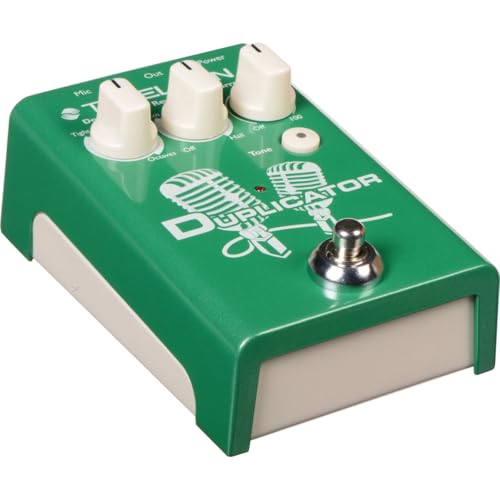
The DUPLICATOR offers ultra-simple vocal effects with doubling, reverb, and pitch correction. It provides three classic doubling sounds with various tightness and octave options, plus vocally tuned reverb to place the voice in a suitable musical space. This device is well-suited for performers who want dependable, straightforward vocal enhancement on stage without navigating a complex menu. Limitation: fewer advanced routing options compared to larger multi-effects units.
Best for: Singers who need quick, dependable doubling and reverb on stage. Why selected: Its simplicity and focus on essential vocal textures make it ideal for live use and quick sound checks.
Buying Guide: Key Purchase Considerations
What should you look for when choosing a vocal reverb box?
- Input compatibility: Check if the unit supports mic and guitar inputs, and whether phantom power is needed or available.
- Reverb Quality: Consider the type and quality of reverb, especially when the main goal is vocal polish. Some models offer channel-specific reverb for combined vocal/instrument setups.
- Additional Effects: Decide if you need pitch correction, harmony, doubling, or a vocal synthesizer. Some devices combine several features, reducing the need for extra gear.
- Ease of use: For live performance, a simple user interface and quick access to core effects can reduce setup time.
- Routing Options: Look for outputs that allow separate vocal and instrument paths, or a mixed signal option for straightforward mixing.
- Power and portability: If you perform on the go, lighter, battery-compatible units can be advantageous.
How to choose between a dedicated reverb pedal and a full vocal processor?
A dedicated reverb pedal excels in producing lush, studio-like space but may lack auto-tune, harmonies, or doubling. A full vocal processor combines several effects, enabling more complete vocal textures for live and studio use. If you need minimal setup, a processor with integrated reverb is typically the better choice. If you require deep control over multiple vocal textures, a multi-effect unit can be more versatile.
FAQ
- What is the primary benefit of a vocal reverb box? Answer: It provides immediate, space-focused vocal ambiance suitable for live and studio applications without needing external processors.
- Do these units work with guitars? Answer: Several models support guitar inputs and guitar-specific reverb, offering an integrated performance workflow.
- Is pitch correction essential for live singing? Answer: Not essential for all styles, but useful for studio-like polish and controlled live performances.
- Can I run multiple effects at once? Answer: Many units combine several effects, but routing and DSP limits vary by model. Check product specs for simultaneous effects.
- Which model is best for beginners? Answer: Simpler devices with clear controls and a focus on doubling or reverb are typically easiest for beginners to learn.
- Do I need extra cables or power supplies? Answer: Some units require either USB power or standard pedal-power supplies; verify included accessories in product listings.