
Best Reverse Headstock Tele Neck Options for Tele Players
Answering the search for reverse headstock Tele necks, this guide highlights five practical choices for upgrading or replacing a Tele-style guitar neck. These options are best for players seeking enhanced stability, distinctive headstock design, and improved string tension. Ideal buyers include DIY builders, upgrade enthusiasts, and players aiming for a balanced feel on a Tele-inspired instrument. The table below summarizes the selected products for quick comparison.
| Product | Brand | Neck Details | Scale / Fret Count | Best For |
|---|---|---|---|---|
| HXQFX Electric Guitar Neck Reverse Headstock 24 Fret (Rosewood Fretboard) | HXQFX | Reverse headstock, 24 frets, rosewood fretboard | 24 frets | Players seeking a dual-cut neck with more upper-fret access |
| Fender Player Series Stratocaster Neck, Modern C, 22 Med Jumbo Frets, Maple, Reverse Headstock | Fender | Reverse headstock, Modern C, maple fingerboard | 22 frets | Players who want a versatile, comfortable shape with a reverse headstock |
| LENSPDID 22fret Tele Canadian Maple Guitar Neck Rosewood Fingerboard | LENSPDID | Tele-compatible neck with rosewood fingerboard, 22 frets | 22 frets | Builders seeking 25.5″ scale, maple/rosewood pairing, and customization options |
| Right Hand Reverse Headstock Guitar Neck, Roasted Flame Maple Neck & Maple Fingerboard, 25.5″ Scale For Tele Guitar(Maple) | Generic | Roasted flame maple, maple fingerboard, 25.5″ scale | 25.5″ scale | Players prioritizing stability and a bright, balanced tone |
| Right Hand Reverse Headstock Guitar Neck, Roasted Flame Maple Neck & Maple Fingerboard, 25.5″ Scale For Tele Guitar(Mahogany) | Generic | Roasted flame maple neck with mahogany backing, maple fingerboard | 25.5″ scale | Players after a warm-toned Tele upgrade with a reverse headstock |
HXQFX Electric Guitar Neck Reverse Headstock 24 Fret

Product features: Electric Guitar Neck Reverse Headstock 24 Fret. This neck provides a full 24-fret layout with a reverse headstock design, enabling distinct string tension and tonal response. Best for players who want extended upper frets and a bold headstock silhouette. Consideration: verify compatibility with your existing body joint and tuner spacing before installation.
Fender Player Series Stratocaster Neck, Modern C, Reverse Headstock

Product features: Reverse Headstock Stratocaster Neck with Modern C profile, maple fingerboard, and 9.5″ radius. Best for players seeking a familiar Strat feel with a bold reverse headstock look and improved tension on wound strings. Better for players who prefer a slightly elongated string length on the lower strings for more definition.
LENSPDID 22fret Tele Canadian Maple Neck

Product features: Tele-compatible neck with 22 frets, Canadian maple fingerboard with rosewood accents. Best for builders seeking precise scale length and a classic maple/rosewood pairing. Choosing this option supports customizable neck specifications. Limitation: verify headstock orientation and joint compatibility with your current body design.
Right Hand Reverse Headstock Guitar Neck, Roasted Flame Maple (Maple Fingerboard)
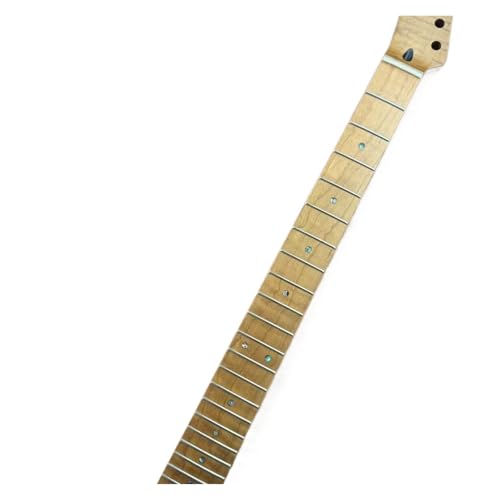
Product features: Roasted flame maple neck with maple fingerboard, 25.5″ scale length. Best for Tele-style upgrades requiring stability and a bright, balanced tone. Caution: verify alignment of the truss rod access and neck heel dimensions with your guitar body for proper fitting.
Right Hand Reverse Headstock Guitar Neck, Flame Maple (Mahogany)
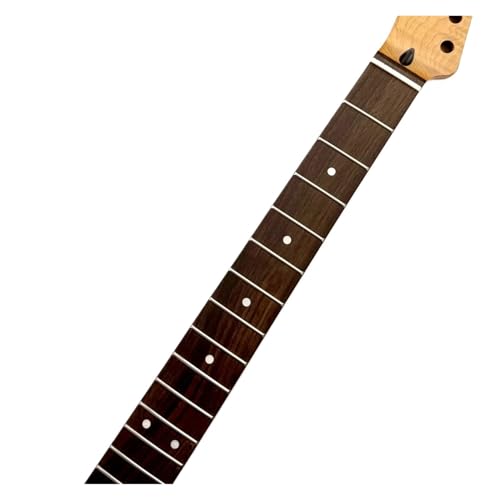
Product features: Roasted flame maple neck with a maple fingerboard and 25.5″ scale length. Best for players who want a robust, warm-toned balance with a reverse headstock silhouette. Limitation: wood species and finish variations may affect tonal outcomes slightly; confirm tone preference before purchase.
Buying Guide
What should I consider when choosing a reverse headstock Tele neck?
- Scale length and fret count: Most Tele-style necks use 25.5″ scales; 22 to 24 frets cover traditional to extended ranges. Choose based on your playing style and the needed upper-fret access.
- Fingerboard material and radius: Maple and rosewood are common. A 9.5″ radius is typical for fast playing; the radius and fret size influence feel and intonation.
- Neck profile and comfort: Modern C profiles strike a balance between speed and comfort. If you prefer a deeper or shallower feel, check the profile spec before buying.
- Headstock orientation and installation fit: Ensure the reverse headstock design matches your guitar body alignment and tuner spacing. Confirm heel width and joint compatibility.
- Construction and stability: Roasted maple necks reduce moisture and warping, offering stability. Consider wood type and finish for durability and tone.
- Intonation and setup: Replacement necks require proper nut slot size, tuner alignment, truss rod adjustment, and bridge saddles to achieve accurate intonation.
Frequently Asked Questions
- What is a reverse headstock and why choose it? A reverse headstock places the tuners on the opposite side, affecting tension and tension distribution. It also creates a distinct aesthetic and can influence string tension on the wound strings.
- Are reverse headstock Tele necks compatible with standard Tele bodies? Compatibility depends on neck heel width, heel depth, and screw hole alignment. Always verify measurements against your guitar body.
- Do reverse headstock necks affect tone? Material, scale length, and construction affect tone. The headstock orientation mainly influences tension distribution and aesthetic, not fundamental wood tone.
- What should I check before purchasing a replacement neck? Confirm scale length, fret count, fingerboard radius, neck profile, headstock orientation, and joint compatibility with your body.
- Can I install a reverse headstock neck myself? Moderate soldering and truss rod setup may be required. If unsure, seek a professional luthier or technician for installation and setup.
- Are these necks suitable for any Tele-style guitar? Most are designed for Tele-style electrics, but confirm body neck pocket dimensions and mounting screw spacing for a proper fit.