
Best Right Angle Stereo Jack Adapters for Tight Spaces and Durable Connections
Answer: Right-angle stereo jack adapters are ideal for reducing cable strain and freeing up space in tight setups. This guide highlights five well-suited options, each chosen for different needs such as portability, space-saving, or high-fidelity audio. Best for on-the-go users, compact setups, and home studios seeking neat cable management, these adapters help prevent plug-unplug wear while preserving audio quality.
| Product | Best For | Why Pick It |
|---|---|---|
| rgzhihuifz 3.5mm Angle Male to Female Adapter | Budget-friendly daily use | 90-degree design reduces cable strain; compatible with headsets, tablets, and speakers |
| HSP-HSWITI 3.5mm Angle 90° Adapter | Travelers and compact spaces | Plug-and-play with gold-plated contacts for better signal |
| UGREEN 3.5mm Right Angle Cable | Durable, high-fidelity listening | Hi-Q copper, 24K gold contacts, slim connector for case-fit |
| Oxsubor 1/4″ TRS to 3.5mm Right Angle Adapter | Back-of-rack or back-of-device use | Prevents cable damage and saves space; nickel-plated contacts |
| CableCreation 3.5mm Right Angle Extension Cable | Extra reach with durable build | Gold-plated, shielded, and 90-degree design to reduce strain |
rgzhihuifz 3.5mm Angle Male to Female Adapter

Best for everyday use where budget matters. This 90-degree TRS to TRRS adapter relieves headphone cable tension and is ideal for tight spaces like under desks or behind wall-mounted setups. Best for headsets, tablets, MP3 players, and small speakers. It converts a straight 3.5mm plug into a convenient right-angle plug, promoting a neat cable direction. Caution: compatibility depends on whether TRS or TRRS is required by the connected device.
HSP-HSWITI 3.5mm Angle 90 Degree Adapter
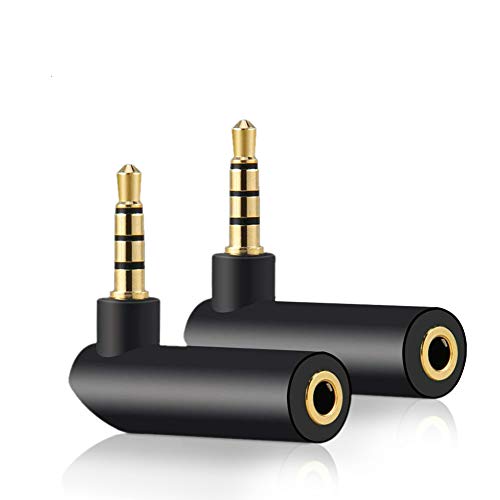
This 90-degree adapter is built for travelers and compact setups. It emphasizes plug-and-play use and minimized cable stress. The 24K gold-plated jack supports stable, low-impedance connections to preserve audio fidelity. Best for on-the-go listening with smartphones, tablets, or compact players. Limitation: only as reliable as the surrounding cable quality; ensure proper plug alignment to avoid wear.
UGREEN 3.5mm Audio Cable with Right Angle
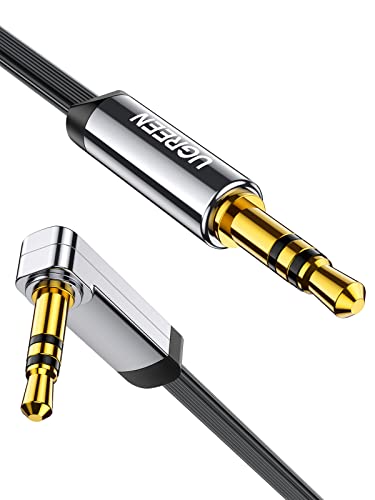
Best for listeners prioritizing durability and audio fidelity. The cable uses Hi-Q copper with 24K gold contacts ensuring strong signal transfer and corrosion resistance. The slim, right-angle connector is ideal for phones with bulky cases or tightly packed multi-cable setups. Best for home stereo connections, computer audio, and portable devices. Caution: ensure your device jack tolerances match a 3.5mm plug to avoid loose connections.
Oxsubor 1/4 Inch to 3.5mm Right Angle Adapter
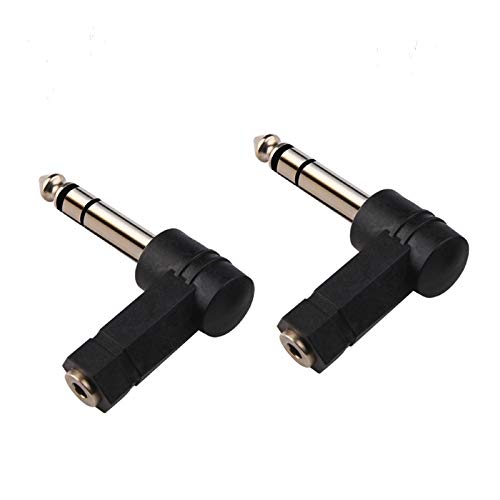
Best for back-of-rack or higher-impedance gear, such as guitars or professional audio setups that require a 1/4″ TRS to 3.5mm connection. The right-angle design helps protect cables in tight spaces and behind equipment. The build emphasizes durability with nickel-plated contacts. Limitation: designed for 1/4″ TRS connections; verify compatibility with your device’s input jacks to avoid mismatches.
Buying Guide
What should you consider when choosing a right-angle stereo jack?
- Connector type: Ensure the adapter matches the device’s input/output (TRS vs TRRS) and plug size (3.5mm vs 1/4″).
- Angle and space: A 90-degree angle is best for tight installations; confirm clearance behind devices or furniture.
- Material and contacts: Gold plating and copper or nickel components generally offer lower signal loss and longer life.
- Durability: Look for robust housings, shielded cables, and strain relief to minimize wear.
- Intended use: Consider portability (travel-friendly), home/studio use, or instrument setups to pick the right model.
- Compatibility: Check device cases and port tolerances to ensure easy plugging without removing accessories.
How do right-angle adapters compare with straight adapters?
Right-angle adapters reduce cable protrusion and cable stress in confined spaces, making them preferable for behind furniture, wall units, or crowded desks. Straight adapters may be easier to plug in on open desks but can bend cables more easily when space is limited.
What are common limitations to watch for?
Some adapters are designed for specific plug types (TRS or TRRS). Always verify device compatibility. Inexpensive builds may use thinner plastics or less robust shields, which can affect durability over time in high-use environments.
Installation tips for best results
- Always power down devices before connecting or disconnecting adapters.
- Avoid forcing adapters into jacks; align connectors gently to prevent wear.
- When using in tight spaces, route cables cleanly to reduce accidental tugs.
- Pair gold-plated jacks with devices that benefit from low-impedance connections.
FAQ
- What is a right-angle audio adapter good for?
It reduces cable strain and saves space in tight setups, helping protect jacks and cords from damage.
- Are right-angle adapters universal?
Most are 3.5mm or 1/4″ plugs, but always verify TRS vs TRRS and size with your devices.
- Do right-angle adapters affect audio quality?
Quality adapters with gold-plated contacts and good shielding minimize noise and signal loss.
- Can I use a right-angle adapter with multiple devices?
Yes, but check compatibility and ensure the connector matches each device’s input.
- Should I choose metal or plastic adapters?
Metal or metal-cased adapters typically offer greater durability and shielding, while plastic housings are lighter and cheaper.
- Is there a difference between 3.5mm and 1/4″ adapters?
Yes. The size must match the device jack; 1/4″ is common on professional audio gear, while 3.5mm is standard for portable devices.