
Best Rosin for Violin: Top Picks for Rich Tone and Easy Bow Grip
Anyone buying rosin for a violin wants consistent grip, reduced dust, and a brighter, clearer tone. This guide highlights five rosin options that balance performance with value, helping students, hobbyists, and advancing players choose confidently. Each product below is chosen for ease of use, dust reduction, and reliable adhesion. The buyer audience ranges from beginners who need easy grip to professionals seeking richer projection without excess dust.
| Product | Brand | Key Benefit |
|---|---|---|
| D’Addario Natural Violin & Cello Rosin, Light | D’Addario | Easy grip, versatile for horsehair or synthetic bows |
| Rosin Natural for Violin Cello Viola Rosin Light Low Dust (2 Pack) | EastyGold | Low dust, natural resin, longer playing time |
| Rosin Violin Rosin Light Low Dust Rosin 2 Pack | WOGOD | Strong adhesion, brighter sound |
| Rosin, Violin Rosin [6 Pack] Cello Viola Rosin | Dulphee | All-natural ingredients, great grip, versatile for multiple instruments |
| Sound Harbor 2 Pack Rosin for Violin, Viola & Cello | Sound Harbor | Low dust, easy to grip, suitable for all bowed strings |
The following sections compare these options in practical terms. Each entry explains who benefits most and points out a potential drawback to consider before purchase.
D’Addario Natural Violin & Cello Rosin, Light

This rosin is all-natural and designed to deliver premium performance at a value. The light formulation is easy to grip thanks to a unique plastic channel, making it especially suitable for students and beginners. It is versatile enough for both violin and cello bows, whether horsehair or synthetic. Choose this if you want a simple, reliable option with a comfortable grip and broad instrument compatibility. A potential limitation is that some players may prefer a darker rosin for higher friction in certain climates or playing styles.
Rosin Natural for Violin Cello Viola Rosin Light Low Dust

This two-pack rosin from EastyGold emphasizes low dust and natural resin. It is marketed as non-toxic and designed to reduce dust exposure while maintaining good adhesion for a bright tone. It’s best for players who value low-dust performance and a clear, responsive sound. The trade-off might be less nuance in extreme playing conditions where a specialty rosin could offer more nuanced friction.
Rosin Violin Rosin Light Low Dust Rosin 2 Pack
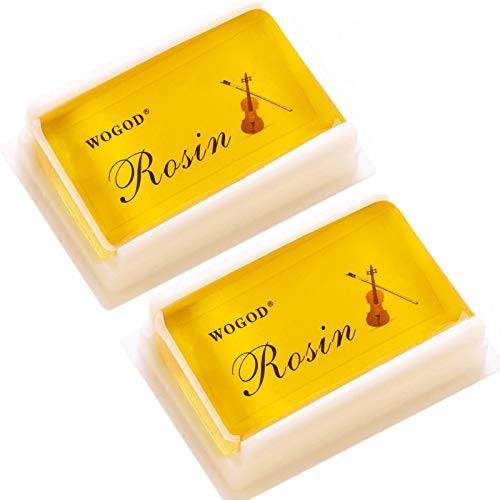
WOGOD offers a two-pack rosin designed for multiple bowed instruments. It emphasizes easy handling, high adhesion, and a brighter sound with low dust. This is a solid pick for players who want a clear, penetrating tone without excessive mess. It’s best for performers who value consistency across violin, viola, and cello bows. A potential limitation is that some players may prefer a single-pack option to test feel before committing to two sticks.
Rosin, Violin Rosin [6 Pack] Cello Viola Rosin
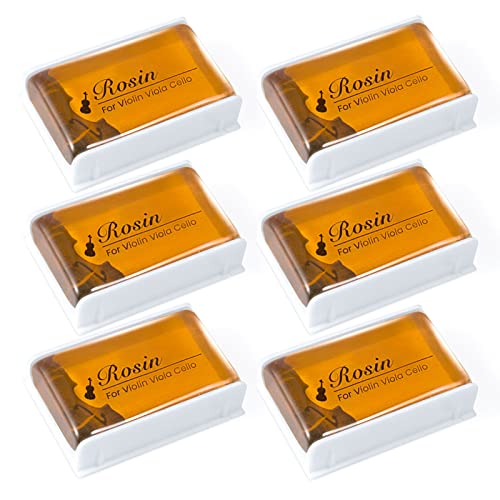
Dulphee’s six-pack rosin uses all-natural ingredients and is designed for minimal dust. The packaging and composition aim for smooth grip and a full tone across violin, viola, and cello bows. It’s best for buyers who want substantial value and a consistent supply. One limitation could be the need to rotate through rosins if you notice slight tonal differences across sticks.
Sound Harbor 2 Pack Rosin for Violin, Viola & Cello
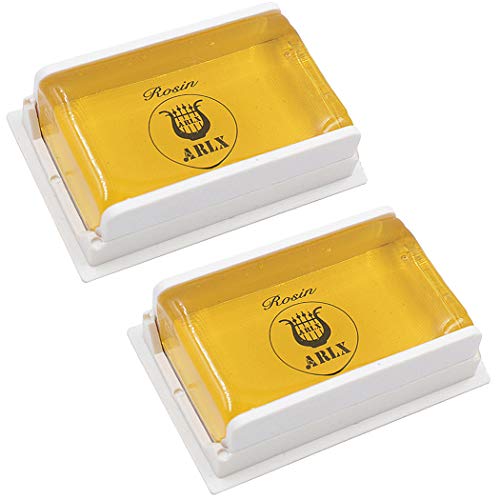
Sound Harbor’s two-pack rosin emphasizes low dust and easy grip, with broad instrument compatibility across violin, viola, and cello bows. It’s a practical choice for players who perform in different sections or need a dependable, no-fuss option. A potential drawback is that some players may prefer a single-stick trial before buying a two-pack to ensure preferred feel and tone.
Buying Guide: Key Purchase Considerations
Choosing the right rosin involves matching friction, dust, and grip to your instrument, bow type, and playing environment. Consider these questions when shopping for violin rosin:
- What is the dust level and how does it affect my playing environment? If you’re sensitive to dust, opt for low-dust formulations from brands like EastyGold or Sound Harbor.
- Is grip comfort important? Rosin with a plastic channel or grip-friendly packaging helps beginners and students maintain control during practice.
- Does the rosin suit multiple instruments? If you play violin, viola, and cello, a versatile rosin can simplify your kit and ensure consistent results across bows.
- What tone and friction are desired? Higher friction can yield a brighter, more penetrating sound; lower dust rosin can slightly soften texture in certain climates.
- How much value do you want? Multi-pack rosins provide longer-term cost savings but may require trying several sticks to find your preferred feel.
Choosing by scenario
- Beginner/student: Look for easy grip and low-maintenance dust, such as D’Addario Light or Sound Harbor two-pack.
- Advanced player seeking brightness: Consider a rosin with strong adhesion and high friction like WOGOD or Dulphee packs.
- Multi-instrument players: Choose a versatile rosin labeled for violin, viola, and cello to simplify gear.
Care and storage tips
- Store rosins in a cool, dry place to preserve stickiness and reduce dust spread.
- Keep rosin in its case or packaging when not in use to prevent crumbling and contamination.
- Check your bow hair condition regularly; rosin can accumulate on hair and strings, affecting balance and tone.
FAQ
- Q: Is low-dust rosin always better? A: Low-dust rosin reduces residue on instrument surfaces and hands, but some players may prefer slightly higher friction for certain tonal goals.
- Q: How often should I rosin my bow? A: Rosin as needed based on playing style, humidity, and bow hair; frequent players may reapply more often.
- Q: Can rosin affect intonation? A: Indirectly. Proper friction helps the bow grip the string, producing clearer notes, while excessive dust can mute response.
- Q: Should I switch rosins for different climates? A: Yes. In dry or cold environments, some rosins perform differently; testing a few options can help sustain tone consistency.
- Q: Is it safe to use rosin on wooden surfaces? A: Rosin is designed for bow hair and strings; avoid contact with instrument finishes or cases to prevent residue buildup.