
Best Single Electronic Drum Pad Options for Quick Practice and Stage Use
If you’re shopping for a single electronic drum pad to practice, perform, or expand an electronic drum setup, these picks offer portability, responsive triggers, and compatible mesh or silicone playing surfaces. The top buyers are seeking realistic feel, reliable triggering, and easy mounting. This guide highlights five standout options and explains who they’re best for, along with practical buying tips. A quick comparison table follows to help you compare at a glance.
| Product | Best For | Key Benefit |
|---|---|---|
| EASTROCK 12 Inches Portable Electronic Practice Drum Pad (Black) | Beginner to intermediate players | Three modes and LED display for rhythm training |
| Lemon T550 8″ Tom Electronic Drum Pad | Users needing dual-zone triggers | Independent head and rim triggering for dynamic play |
| Yamaha TP70 Single-Zone 7.5″ Pad | Compact setups and on-a-rod mounting | Single-zone, softer feel with compatibility considerations |
| Roland BT-1 Electronic Drum Pad | Compact, reliable practice pad on a drum rack | Single-trigger, easy mounting |
| Donner Drum Practice Pad 12 Inches | Noise-conscious practice | Detachable snare simulator for realism |
EASTROCK 12 Inches Portable Electronic Practice Drum Pad

The EASTROCK pad uses a high-density silicone playing surface with an anti-slip EVA cotton backing. It supports three modes: metronome, counting, and speed detection, making it versatile for rhythm training. An LED display provides clear feedback during practice. Best for beginners and players who want a compact, all-in-one rhythm trainer without a heavy setup.
Best for: Beginners and home practice environments where a simple, readable interface matters. Caution: Silicone surfaces may present a different feel compared with mesh heads, affecting trigger response for advanced drummers.
Lemon T550 8″ Tom Electronic Drum Pad

The T550 features a dual-zone design that fires the mesh head and rim as two separate triggers. It is designed to work with a wide range of modules (Roland, Alesis, Yamaha, and more) and provides independent head and rim triggering for expressive play. Best for players who want more dynamic control on a single pad and easy cross-compatibility with modules.
Best for: Players seeking dual-zone capability on a single pad and broad module compatibility. Caution: Some modules may require module-specific mapping to fully leverage rim trigger functionality.
Yamaha TP70 Single-Zone 7.5″ Electronic Drum Pad
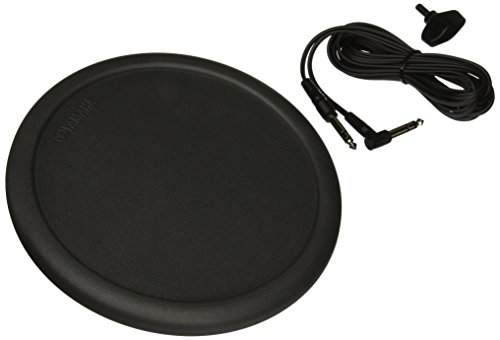
The TP70 offers a compact, single-zone surface with a softer feel and compatibility with L-Rod style tom arms. It is best for space-constrained setups or use as an auxiliary pad in an expanded kit. Best for: Small studios or stages where space and mounting simplicity matter. Caution: Single-zone pads provide less dynamic range than dual-zone pads, which may affect expressive playing in complex kits.
Roland BT-1 Electronic Drum Single-Trigger Pad

The BT-1 is a compact, reliable single-trigger pad with a curved mounting shape suitable for V-Pads or acoustic drum setups. It includes attachment parts for standard rod-type mounts and offers straightforward mounting. Best for: Drummers needing a dependable, space-saving pad that integrates easily with existing rack systems. Caution: As a single-trigger pad, it lacks independent head and rim options for multi-voice setups.
Donner Drum Practice Pad 12 Inches

The Donner pad emphasizes a quiet practice experience with a detachable snare simulation that uses 800 steel balls to mimic snare sounds. It is designed for long-lasting practice and portability. Best for: Players who want a realistic snare-like feel without excessive noise. Caution: The snare simulation is optional and may not suit purists seeking a purely electronic feel.
Buying Guide
What should you consider when choosing a single electronic drum pad?
Surface type matters. Mesh heads deliver a realistic rebound but can be slower to trigger, while silicone surfaces offer quieter practice and consistent response in many training modes. Check trigger zones (single vs. dual) to match your playing style and module compatibility.
How important is module compatibility?
Many pads are designed to work with a range of drum modules from Roland, Alesis, Yamaha, and others. Dual-zone pads enable separate sounds for head and rim, which is beneficial for expressive playing. Confirm whether your current drum module requires specific mappings.
Mounting and portability considerations
Compact pads with simple mounting options are ideal for small studios or stage use. Consider whether you need a pad that can mount on tom arms, V-Pads, or standard drum racks. Weight and included mounting hardware influence transportability.
Noise and practice environment
If you practice in shared spaces, look for pads with quiet surfaces or built-in snare simulations. Pads with detachable snare modules or low-noise materials help minimize disturbances.
Durability and playing style
Mesh heads stand up to aggressive playing and long sessions, while silicone surfaces excel for portable training. Consider your typical practice duration, playing level, and whether you value durability over the most natural rebound.
FAQ
- What is a single-zone drum pad? A pad that triggers one sound per hit, suitable for simple setups or as a supplemental pad in larger kits.
- What does dual-zone mean on a drum pad? Dual-zone pads trigger separate sounds on the head and rim, enabling more dynamic expression.
- Are these pads compatible with common drum modules? Most are designed to work with popular modules from Roland, Alesis, Yamaha, and others, but check specific mappings.
- Is noise an issue with electronic pads? Electronic pads are generally quiet, but some models include snare simulations or tinsel-like components that affect noise levels.
- Which pad is best for small studios? Compact pads like the Yamaha TP70 or Roland BT-1 are well-suited for tight spaces and easy mounting.
- Do I need a mesh head? Mesh heads provide the most realistic feel but can be less portable; silicone surfaces are quieter and often sufficient for practice.