Best Speakers for Dance Studios: Near-Field Monitors and Portable PA
Choosing speakers for a dance studio requires focus on clarity, reliable bass, and versatility across different teaching scenarios. The selections below highlight near-field studio monitors and compact PA options that deliver accurate sound, easy connectivity, and constructive coverage for classroom environments, rehearsal spaces, and performance prep. Each pick includes a quick feature snapshot and why it suits dance studios.
| Product | Brand | Key Benefit For Dance Studios | Connectivity Type |
|---|---|---|---|
| PreSonus Eris 3.5 | PreSonus | Accurate reference sound for movement cues and choreography | Professional inputs, compact desktop setup |
| PreSonus Eris 3.5BT | PreSonus | Wireless versatility for teaching spaces | Bluetooth + wired |
| Edifier R1280T | Edifier | Warm, engaging listenability for classroom demos | RCA/aux inputs |
| Mackie CR3.5 | Mackie | Tones with built-in controls for tailored dance cues | TRS/RCA/3.5mm, headphone out |
| ALTO TX408 | ALTO | Compact PA power for larger studio sections and small performances | Bluetooth, mixer, line level |
PreSonus Eris 3.5 Studio Monitors, Pair

These compact near-field monitors deliver studio-quality sound with a tight, accurate low end—critical for instructors evaluating tempo and footwork. The 50-watt dual amplification ensures adequate headroom in small studios, while the woven-composite woofer design supports clean, controlled bass response without overpowering mids and highs. Ideal for dance routines, tempo tracking, and multimedia lesson playback where precise tonal balance matters.
PreSonus Eris 3.5BT Studio Monitors

The 3.5BT adds wireless flexibility with Bluetooth pairing, making it easier to cue music from mobile devices during dance classes. Like the wired Eris 3.5, these monitors provide clear, articulate sound with a strong but not bloated low end, suitable for evaluating routine accuracy and musicality from a distance. Useful in larger studios or for instructors who move between spaces.
Edifier R1280T Powered Bookshelf Speakers
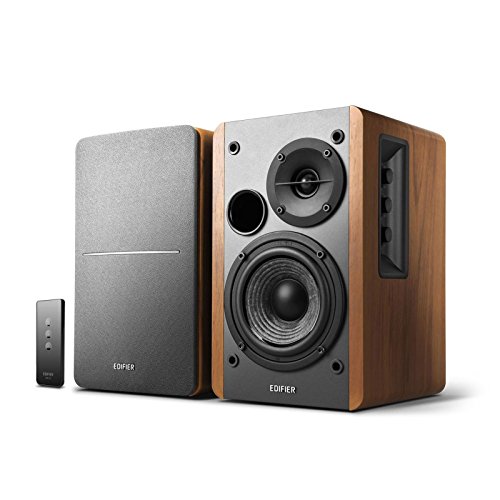
The Edifier R1280T offers dual inputs (AUX/RCA) and a classic wood finish that blends into studio storage spaces. The 42-watt RMS output provides a warm, musical sound with generous midrange presence, which can be beneficial for demonstration videos, cue sheets, and debriefing sessions where clarity and tonal balance are essential without revealing overly bright highs that may distract dancers during intense workouts.
Mackie CR3.5 3.5″ Creative Reference

The Mackie CR3.5 pair combines studio-grade reference sound with a practical tone knob and a flexible input set, letting instructors tailor the response to a dance routine or performance rehearsal. The integrated headphone output and multiple inputs enable quick monitoring from a tablet, laptop, or mixer—handy for in-class demonstrations, video reviews, or choreography breakdowns.
ALTO TX408 350W 8″ Powered Speaker

The ALTO TX408 provides higher output suitable for larger sections or small performances in studio spaces. With 350W bi-amplified power, Bluetooth streaming, and a two-channel mixer, it supports teaching scenarios that require live music playback, microphone use, or external backing tracks. This option balances portability with the volume needed for more expansive classes or outdoor-rehearsal sessions.
Buying Guide: Key Purchase Considerations For Dance Studios
- Sound Accuracy vs. Power: For choreography and tempo matching, near-field monitors like the PreSonus Eris series offer flat, accurate response, helping instructors gauge timing without coloration. For larger spaces or live sections, compact PA like the ALTO TX408 provides more headroom.
- Connectivity: Look for a mix of wired (TRS, RCA, 3.5mm) and wireless (Bluetooth) options. Bluetooth enables quick cueing from phones or tablets, but wired connections ensure lower latency during critical teaching moments.
- Size and Placement: Studio rooms favor smaller monitors on desks or shelves for near-field listening. If space allows, a secondary compact PA can cover wider areas during demonstrations or student performances.
- Durability and Build: Wooden enclosures or reinforced plastics balance aesthetics with acoustic performance. In busy studios, rugged enclosures help withstand daily use and transport between rooms.
- Sound Shaping Controls: Models with basic tone controls or a built-in volume knob help instructors tailor sound for different routines, from hip-hop to contemporary dance, without needing external processors.
- Budget vs. Versatility: A mix of 1–2 near-field monitors plus a portable PA can cover most teaching scenarios, offering clarity for demonstrations and flexibility for events.
- Compatibility with Media: Ensure the chosen system handles your preferred music sources, whether streaming devices, laptops, or DJ setups, with minimal adapters required.
In selecting speakers for a dance studio, balance is key: prioritize accurate playback for tempo and rhythm cues, while retaining enough bass and headroom for dynamic performances. Wireless options add convenience for mobile teaching, while compact PA solutions broaden coverage for larger group sessions. The combinations above provide a spectrum of near-field monitoring and portable amplification to fit typical studio layouts and teaching styles.