
Quick Overview: Below are five selected rubber and isolation feet that work well under speaker stands, subwoofers, amplifiers, and other audio gear. The table summarizes each product for easy comparison.
| Product | Type | Primary Feature |
|---|---|---|
| Sound Addicted Subble Silicone Feet (4-Pack) | Silicone Hemisphere | High durometer shock absorption, adhesive |
| Hudson Hi‑Fi Platinum Silicone Feet (8-Pack) | Large Silicone Pads | High damping for heavy components |
| GorillaGrit Black Tall Square Adhesive Pads (20) | Self‑Adhesive Rubber Bumpers | Durable non‑slip grippers, airflow height |
| Monosaudio Speaker Isolation Feet (4pcs) | Aluminum With Rubber Ring | High density, spike pad style support |
| Howonder Rubber Feet 16 Pack (40×10mm) | Screw‑On Rubber Feet | Wide base, screw mounting for secure fit |
Sound Addicted Subble 1.2″ Silicone Isolation Feet (4-Pack)
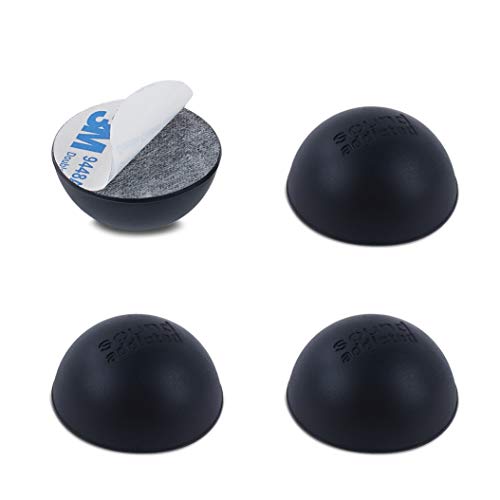
These 1.2″ silicone hemisphere feet are designed for vibration and resonance reduction with a durometer shore hardness of 35. Sets of four are rated to sustain up to 24 lb, making them suitable for smaller amplifiers, DACs, CD players, and bookshelf speaker stands.
- Form Factor: Small, discreet hemispheres that are less visible under equipment.
- Mounting: Adhesive-backed for easy installation on flat bases.
- Use Cases: Ideal for light audio gear, PC cases, and vintage decks where small footprint and isolation matter.
Speaker Isolation Pads – Hudson Hi‑Fi Platinum Silicone Feet (8-Pack)

These larger silicone pads (approx. 2.5″ wide x 1.25″ tall) use a 20 Shore A durometer to deliver strong damping for heavier speakers and subwoofers. Manufacturer claims vibration reduction up to 95.32% and temperature resilience between -40°C and +240°C.
- Weight Capacity: Built for 50–100 lb components; suited to full‑range bookshelf speakers and small subwoofers.
- Material Benefits: Softer silicone for improved bass clarity and reduced surface damage.
- Adhesive Backing: Stick-on pads for stable placement on speaker stand feet or base plates.
Black Tall Square Adhesive Rubber Bumper Pads – GorillaGrit (20)

This set includes 20 self‑adhesive square rubber feet measuring about 0.78″ diameter and 0.38″ height. They serve as non-slip grippers and spacers, adding airflow beneath electronics while providing mild vibration damping.
- Versatility: Useful for stands, small speakers, mixers, and appliances.
- Height Benefit: Raises equipment slightly to allow airflow and prevent direct surface contact.
- Quantity: Larger pack suitable for multiple stands, furniture, or replacement feet.
Monosaudio 40x20mm Speaker Isolation Feet (4-Pack)

Monosaudio combines an aluminum body with a removable non‑slip rubber ring to create a high‑density isolation pad. The construction targets low harmonic vibration and high damping, with a spec suggesting robust load support for heavy stands and subwoofers.
- Build: Metal core for rigidity plus rubber perimeter for grip and decoupling.
- Application: Works well beneath heavy speaker stands and subwoofer spikes to reduce floor coupling.
- Mounting Hole: Center hole provided for spike or fastener integration where needed.
Howonder Rubber Feet 40×10mm 16-Pack (Screw‑On)

Howonder supplies 16 screw‑on rubber feet with a 40mm diameter and 10mm height. These feet include screws and are suited for secure attachment to speaker stand feet or mounting plates where adhesive alone would be insufficient.
- Screw Mounting: Provides a mechanical connection that prevents slipping and detachment over time.
- Material Properties: Elastic, ageing stable, flame retardant, and corrosion resistant.
- Use Cases: Good for flight cases, speaker stands, road gear, and wooden bases needing a broad contact patch.
Buying Guide: Choosing The Right Rubber Feet For Speaker Stands
When selecting rubber or isolation feet for speaker stands, consider several technical and practical factors to match your setup and listening goals.
Weight Capacity And Load Distribution
Match the foot’s rated capacity to the combined weight of the speaker and stand. Larger diameter or metal‑reinforced feet distribute weight better for heavy stands and subwoofers.
Material And Durometer (Hardness)
Silicone and rubber durometer determine damping behavior. Softer compounds (lower Shore A) absorb low‑frequency vibration better; firmer materials can provide stability for heavier loads. Some products specify Shore hardness—use that to compare damping vs. support.
Mounting Method: Adhesive vs Screw vs Passive
Adhesive feet are quick to install but may detach over time or with heavy loads. Screw‑on feet provide permanent secure mounting for road gear. Passive metal/rubber hybrids offer rigid support with decoupling via rubber rings.
Foot Shape And Contact Area
Wider, flatter feet increase surface area and reduce floor pressure; hemispheres or spike pads concentrate load and can improve decoupling depending on setup. Consider floor type—hard floors favor grippy rubber or adhesive pads, carpet may benefit from spikes or larger bases.
Floor Protection And Slip Resistance
Rubber or silicone feet protect hardwood and tile from scratches and reduce movement. If you need both isolation and non‑slip behavior, choose feet with a textured rubber ring or adhesive base.
Height And Airflow
Raised feet add airflow beneath equipment and can improve cooling. Taller feet may change speaker geometry, so verify stack height and center‑of‑gravity stability for stands.
Acoustic Goals: Tight Bass vs Dampened Resonance
If your goal is tighter low end, opt for materials and designs that decouple the speaker from the floor effectively (soft silicone pads or isolation cones). For maximum stability with minimal movement, firmer pads or metal bases with rubber isolators work well.
Durability And Environmental Resistance
Check temperature tolerance and aging resistance if equipment is used in variable environments. Metal parts with rubber rings often outlast plain adhesive pads in road use.
Quantity And Compatibility
Count the feet needed per stand (4 per platform is common) and choose pack sizes accordingly. Verify hole sizes and center clearance if replacing screw‑on feet or integrating spikes.
Comparison Perspectives
- Budget vs Performance: Adhesive rubber bumpers provide low cost and basic protection; premium silicone or metal isolation feet offer better acoustic benefits at higher cost.
- Studio vs Home Use: Studio/road setups favor screw‑on or metal‑reinforced feet for durability; home listeners may prefer soft silicone pads for floor protection and ease of placement.
- Floor Type: Carpets benefit from broader base pads; hardwood/tile benefit from grippy rubber or adhesive to prevent sliding.