
Best Stainless Steel Tuba Mouthpiece Alternatives and Related Options for Brass Players
Answering the question of selecting a tuba mouthpiece begins with identifying whether you want a traditional brass cup or a modern, impact-friendly option. This guide focuses on a curated set of tuba mouthpieces and compatible alternatives that can suit different playing styles, budgets, and comfort needs. Ideal for students, hobbyists, and professionals seeking a stable, reliable playing experience, these picks prioritize fit, durability, and tone potential. The table below highlights the five products most relevant to tuba players exploring mouthpiece options today.
| Product | Brand | Best For | Notes |
|---|---|---|---|
| Bach 33524AW Tuba & Sousaphone Mouthpiece | Vincent Bach | Classic deep-cup tone for professional brass players | Deep cup, wide rim; durable design |
| Faxx Tuba and Sousaphone Mouthpiece – 24AW | Faxx | Balanced sound and projection for ensemble players | 24AW cup, wide rim |
| Laskey Tuba Classic H Series Mouthpiece – 30H ES | Laskey | European-shank reliability with defined cup | 30H cup, silver finish |
| Eacam Copper Bass Tuba Horn Mouthpiece Wear Tool | Eacam | Durable copper mouthpiece for wear resistance | Silver finish, broad compatibility |
| KELLYBERG Lexan-Mouthpiece – Steel-Grey | Kelly Mouthpieces | Colorful, affordable practice options | Lexan material, soft feel |
Bach 33524AW Tuba & Sousaphone Mouthpiece

The Bach 33524AW is a classic deep-cup mouthpiece designed for tuba and sousaphone players seeking a full, resonant core with ample projection. The 24AW cup size and wide rim create a stable feel for long phrases and low register control. This mouthpiece is best for players prioritizing a traditional brass tone with strong air support. Those transitioning from larger-cupped choices will appreciate the consistent response and durable construction that Bach is known for. The long, wide rim can be slightly less forgiving for fast articulations, so consider it for orchestral and band contexts where tone is more critical than extreme agility.
Who it’s best for: Professionals and advanced students who want a dependable, deep-cup option with a classic tuba voice.
Limitations: May not be ideal for players requiring ultra-fast articulation or a brighter, brighter edge in solos.
KELLYBERG Lexan-Mouthpiece

The Kelly Mouthpieces Lexan model offers a soft, warm feel and color options that can be appealing for practice sessions and color-matching ensembles. Lexan material reduces the bite pressure compared with traditional brass and creates a more forgiving playing experience for beginners or players experimenting with different tonal approaches. It also stands out for the variety of colors available, which can be a fun way to personalize gear and coordinate with school colors or performances.
Who it’s best for: Students, color-conscious players, and those seeking a comfortable practice mouthpiece at an affordable price.
Limitations: Lexan mouthpieces may not provide the same tonal projection or edge as standard brass mouthpieces in certain performance settings.
Faxx Tuba and Sousaphone Mouthpiece

The Faxx 24AW mouthpiece is crafted for tuba and sousaphone players who want a balanced mouthpiece with a comfortable rim for long sessions. The 24AW cup diameter supports a robust, centered tone that can blend well in large ensembles. It’s a practical choice for players seeking a cost-effective, reliable instrument accessory without sacrificing basic tonal quality and durability.
Who it’s best for: Students and community players seeking a dependable, affordable option with comfortable ergonomics.
Limitations: May not satisfy players seeking a very bright or extremely heavy copper tone for solo performance.
Laskey Tuba Classic H Series Mouthpiece

The Laskey Classic H Series 30H ES mouthpiece is a European-shank design with a well-defined cup and a silver finish, offering precise control and projection. The 30H cup provides a strong core for both ensemble playing and solo passages, while the larger diameter helps with air flow and endurance on longer phrases. This is a solid choice for players who want a dependable, professional-grade piece that supports a rich, projected tone.
Who it’s best for: Players needing reliability, a clear core, and comfortable endurance for lengthy performances.
Limitations: The European shank may require minor compatibility checks with some instruments or mouthpiece alignments.
Eacam Copper Bass Tuba Horn Mouthpiece Wear Tool

The Eacam Copper Bass Mouthpiece Wear Tool is designed as a copper-based accessory to support durable wear resistance for bass tuba players. Its copper construction can offer good wear resistance and resilience during frequent use. The tool is described as compatible with most bass tubas, making it a versatile replacement part for players who want a robust, long-lasting option.
Who it’s best for: Players seeking a durable wear-resistant accessory to maintain mouthpiece integrity on bass tubas.
Limitations: This is an accessory rather than a traditional mouthpiece, so users should verify compatibility with their instrument before use.
AUXBC 6 1/2AL Gold Plated Trombone Mouthpiece
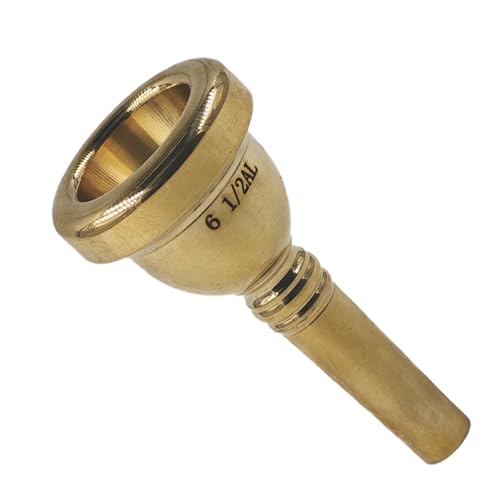
The AUXBC 6 1/2AL is a brass mouthpiece with gold plating designed for trombone, baritone, and euphonium use. While not a traditional tuba mouthpiece, it’s included for players exploring versatile mouthpiece options across brass instruments. Gold plating enhances tonal richness and projection, making it suitable for practice and performance across multiple brass voices.
Who it’s best for: Players who double on multiple brass instruments or want a versatile mouthpiece with a warmer, gold-toned projection.
Limitations: It is not specifically a tuba mouthpiece and may not fit all tubas or suit those seeking a dedicated tuba mouthpiece experience.
Buying Guide
What should I consider when choosing a tuba mouthpiece?
Key factors include cup size, rim shape, and overall cup depth. Deep cups tend to produce a fuller, darker tone with more projection in the bass register, while shallower cups offer quicker response for faster passages. Rim shape affects comfort and endurance during long playing sessions.
What is the impact of mouthpiece material?
Brass mouthpieces provide a traditional tone and robust durability. Alternatives like Lexan offer a softer feel and color customization, which can help with comfort and practice variety but may alter projection and brightness in certain settings. Copper wear tools add durability but aren’t substitutes for standard mouthpieces.
How do I choose for ensemble vs. solo performance?
For ensembles, a balanced, centered tone with consistent projection is often preferred. For solos, players may opt for mouthpieces that yield more edge or brightness, depending on the piece and venue. Consider testing multiple mouthpieces to determine which cup size and rim shape align with your intended role.
What about compatibility?
Some mouthpieces use European shanks or specific cup diameters. Ensure your instrument’s receiver and shank configuration are compatible. If unsure, consult a professional or compare with your current mouthpiece to avoid delivery issues or fit problems.
Maintenance tips
Clean mouthpieces regularly with warm water and a gentle detergent. Dry thoroughly to prevent corrosion. For hardened residues, use a soft brush and avoid abrasive materials that could damage the finish.
Who should buy these options?
Students seeking affordable practice mouthpieces, professionals needing a consistent, reliable tone, and players exploring color or material alternatives will find these products useful. Always prioritize comfort and tone alignment with your playing goals over price alone.
Quick FAQ
- What cup size is best for tuba players? Deep cups (like 24AW) are common for a full, resonant tuba tone, but personal preference matters; try a few sizes to find comfort and projection balance.
- Are Lexan mouthpieces suitable for performance? Yes for practice and casual ensembles, but they may not deliver the brightest projection required for certain solo pieces.
- Do I need a European shank mouthpiece? Some tubas use European shanks; verify compatibility before buying to avoid seating issues.
- Can a wear tool replace a mouthpiece? Wear tools are accessories, not substitutes. Use them to maintain mouthpiece integrity when appropriate.
- Is color customization important? Color can aid in quick identification and personal preference, but it does not change core acoustics.