
Best Supercardioid Dynamic Microphones for Clear Vocals and Live Performance
If you need high-isolation, feedback-resistant vocal mics, a supercardioid dynamic microphone is a strong choice. This guide highlights five top options for stage, studio, and broadcast use, with clear reasons for who each mic is best for and what to watch out for. Ideal buyers include live performers, podcasters, and speakers seeking strong off-axis rejection and durable build.
| Product | ||
|---|---|---|
| CAD Audio D27 Supercardioid | Supercardioid | Lead vocals, noisy stages |
| Sennheiser Pro Audio e 845-S | Supercardioid Dynamic | Live vocalists needing warmth and projection |
| Shure SM58 Pro XLR | Cardioid | Reliable stage work, versatile vocal pickup |
| SENNHEISER E 945 | Supercardioid | Vocalists requiring isolation and clarity |
| Rockville RMM-XLR | Supercardioid Dynamic | Budget-friendly live and studio use |
Note: All models listed here are dynamic mics with varying patterns and feature sets designed to minimize feedback and background noise while preserving vocal presence. The selection spans renowned brands and a few cost-conscious options to fit different budgets and performance environments.
CAD Audio D27 Supercardioid Handheld Dynamic Microphone

The CAD Audio D27 uses a precision supercardioid polar pattern to maximize mains isolation and feedback rejection. It employs a PowerGap neodymium magnet to deliver a hot, articulate output, especially useful for lead vocals in loud environments. The QuietTouch on/off switch allows silent muting during performances or quick sound checks. This mic is best for performers who need strong front-end isolation and a controllable vocal presence on stage, with a straightforward, affordable option for mid-tier venues. A potential limitation is that supercardioid patterns can be more susceptible to proximity effect if used too closely to the source, so close-mic technique should be managed carefully.
Sennheiser Pro Audio e 845-S Supercardioid Dynamic Vocal Microphone
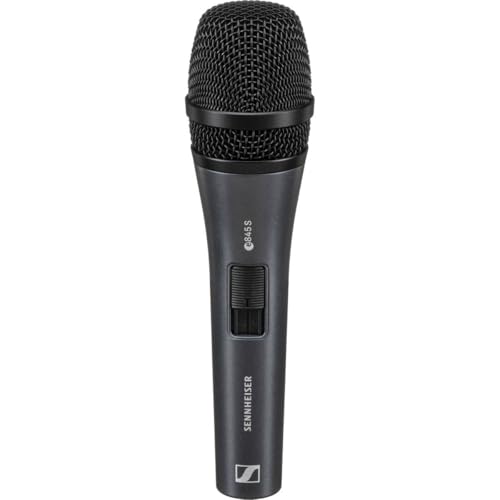
The Sennheiser e 845-S offers a smooth warm tonal response with a full dynamic range and a presence lift that helps vocals cut through a mix. Its consistent on/off axis and proximity response help maintain vocal quality as performers move on stage. This mic is a solid choice for vocalists who want a classic Sennheiser sound with reliable performance in dynamic venues. A caveat is that the on/off switch position should be checked to avoid accidental muting during a performance.
Shure SM58 Pro XLR Dynamic Vocal Microphone

The Shure SM58 is a legendary vocal microphone with a cardioid pickup pattern that focuses on the user’s voice while reducing background noise. It offers reliable performance across live venues, studios, podcasts, and broadcasts. The mic is known for its rugged build and familiar sound, making it a safe, workhorse choice for performers. A limitation is its cardioid pattern, which is slightly less resistant to off-axis bleed compared to true supercardioid designs in highly noisy environments.
Rockville RMM-XLR Dynamic Cardioid Microphone

The Rockville RMM-XLR is a durable, budget-friendly option featuring a robust metal body and a supercardioid pattern that minimizes background noise. It includes a 10-foot XLR cable and mic clip, making it convenient for immediate setup on stages or in studios. This mic is best for budget-conscious users who still need strong isolation. A potential drawback is that lower-cost construction may show wear with heavy use, so careful handling is advised for long-term reliability.
Buying Guide: How To Choose A Supercardioid Dynamic Microphone
What pattern best fits my environment?
Supercardioid patterns offer strong front pickup with improved rejection of side noise, ideal for loud stages. If you frequently move around the mic or are in a highly reflective room, a supercardioid or tight cardioid pattern helps manage bleed and feedback better than a wider pattern.
How important is durability and build quality?
For live performances, a metal body and a robust grille support long-term reliability. If you travel often or perform on small venues, a sturdier mic reduces the risk of damage during transport and setup.
Do I need a built-in on/off switch?
On/off switches can be helpful for mute discipline during stage chatter and sound checks. If you perform with a band or in busy environments, a switch may improve ease of use, though you should ensure it’s positioned to avoid accidental muting.
What about proximity effect?
With dynamic supercardioid mics, staying at an appropriate distance (typically 6–12 inches) helps maintain consistent tone and gain structure. Proximity can boost bass presence and may require EQ adjustments on busy mixes.
Which features matter most for my voice type?
Vocalists with bright or piercing voices may benefit from mics that smooth high-frequency content, while those with deep voices often need presence and warmth without excessive handling noise. Consider how the mic color suits your voice and stage style.
Is a cable and accessories package important?
Some bundles include XLR cables and clips, which can simplify setup. If you’re starting from scratch, a package with cable and clip adds value and reduces the need to source accessories separately.
FAQ
- What is a supercardioid microphone best used for?
- Can I use a dynamic mic for podcasting or broadcasting?
- How do I reduce feedback when using these mics on loud stages?
- Is there a noticeable difference between brands like Sennheiser, Shure, and CAD?
- Do I need phantom power for dynamic mics?
- Which mic is most affordable for beginners?
All five featured microphones offer distinct advantages for different vocal styles and performance contexts. The CAD Audio D27 and Sennheiser e 845-S are strong choices for vocalists who require excellent isolation and articulation on busy stages. The Shure SM58 remains a dependable all-around option with a classic sound and rugged build. The Sennheiser E 945 provides enhanced presence for clarity and projection, while the Rockville RMM-XLR and its 2-pack variant deliver budget-friendly reliability for clubs, schools, or home studios. Consider your voice type, stage environment, and accessory needs to select the best fit.