
Best TA4F to XLR Adapters for Wired and Wireless Mic Gear
Answering the common question: which TA4F (4-pin) to XLR adapter best fits a portable or stage setup? This guide weighs practical options for home studios, live sound, and broadcast use. Each pick targets a specific buyer type—freelance podcasters, band technicians, venue engineers, or studio owners—so you can match the adapter to your workflow and equipment ecosystem.
Summary of selected products:
| Product | Brand | Best For | Notes |
|---|---|---|---|
| Shure WA310 4-Feet Microphone Adapter Cable | Shure | Professional wireless setups using Shure gear | TA4F to XLR Female, reputable build |
| Milestock TA4F to XLR Female Cable | Milestock | Broad Shure ecosystem compatibility | Gold plated connectors, 4 ft |
| Tinsea Microphone Conversion Mini 4Pin to XLR | Tinsea | Direct TA4F to XLR for lavalier kits | Active preamp included in description |
| HQRP 4-Pin Mini TA4F to XLR(F) Cable | HQRP | Replacement for Shure WA310 and digital systems | TA4F to XLR Female |
| DPA MicroLock to TA4F Mini-XLR Adapter | DPA | High-end wireless workflows requiring clean signal | MicroLock to TA4F adapter |
Shure WA310 4-Feet Microphone Adapter Cable
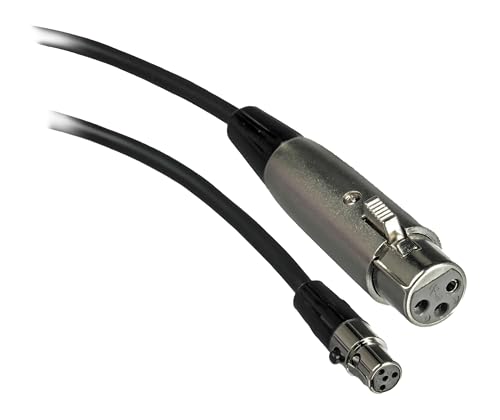
Best For: Professionals using Shure wireless systems in live or studio environments who need a reliable TA4F to XLR connection. This adapter cable is designed to bridge a TA4F mini-connector microphone or transmitter to an XLR input, commonly used on stage mixers and rack gear.
Why selected: Shure is a trusted name with a long history in wireless ecosystems. The WA310 provides a straightforward, durable physical interface compatible with many Shure transmitters and receivers.
Limitations: As a passive cable, it relies on the external preamp or phantom supply in the connected gear; consider preamp gain staging if you encounter low signal levels.
Milestock TA4F to XLR Female Cable (4 Feet)
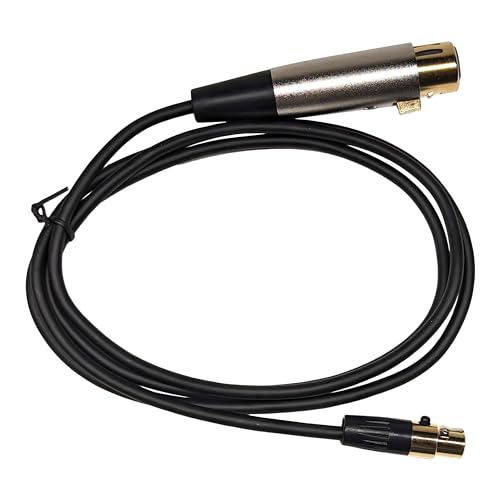
Best For: Users seeking broad compatibility with a wide range of Shure systems beyond WA310, including T1, UT1, ULX, and GLXD lines. Useful for converting wireless handhelds or bodypack outputs to stage-ready XLR inputs.
Why selected: The Milestock option is marketed as a replacement part with gold-plated connectors for low contact resistance and durable build, making it a practical replacement or spare for touring rigs.
Limitations: It is a general adapter, so verify that your preamps and wireless transmitters can tolerate direct TA4F to XLR connections without additional impedance matching.
Tinsea TA4F to XLR Mini-Converter
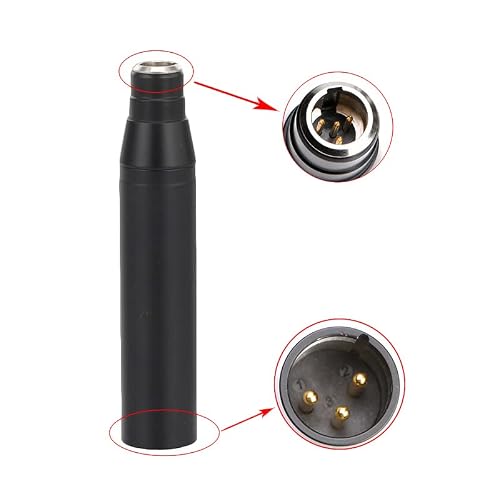
Best For: Microphone users needing a direct TA4F to XLR path with an integrated preamp for optimized signal levels, especially when upgrading lavalier collars to mixer inputs.
Why selected: The Tinsea listing emphasizes an integrated active preamp for signal leveling and impedance matching, which can improve audio quality when feeding standard XLR inputs from TA4F-equipped mics.
Limitations: Claims of an integrated preamp may vary by product batch; ensure the adapter supports your phantom power and preamp needs in practice.
HQRP 4-Pin Mini TA4F to XLR(F) Cable

Best For: Replacements in Shure-focused ecosystems and digital wireless systems, ideal for venues or studios that need a dependable spare adapter that matches common WA310 configurations.
Why selected: HQRP explicitly brands the TA4F to XLR Female cable as a direct replacement for WA310, suggesting compatibility with multiple Shure systems and digital wireless models.
Limitations: It is a straightforward adapter; users should confirm that their existing gear will provide adequate power and impedance without additional adapters or preamps.
DPA MicroLock to TA4F Mini-XLR Adapter

Best For: High-end wireless systems where signal integrity and mic preamp compatibility are critical. This adapter supports MicroLock to TA4F Mini-XLR connections.
Why selected: DPA is renowned for professional-grade audio interfaces; this adapter aligns with premium wireless workflows where clean signal transfer matters.
Limitations: Availability and price may be higher; verify compatibility with your specific MicroLock and TA4F devices before purchase.
Buying Guide
What to consider when choosing a TA4F to XLR adapter:
- Signal path and preamp: Decide whether you need an active preamp in the adapter or a passive cable. Active preamps can improve gain and impedance matching for weaker sources.
- Connector quality: Gold-plated contacts reduce resistance and corrosion, promoting a reliable connection over time.
- Compatibility: Confirm that the adapter works with your transmitter, beltpack, mixer, or interface and supports the correct TA4F pinout.
- Cable length: Longer cables add capacitance and potential signal loss. Choose a length suitable for your setup without excessive slack.
- Durability: Look for robust cable jackets and strain relief, especially for live performances or field use.
- Power considerations: Some devices supply power via the XLR side; ensure your gear can deliver phantom power or does not require power from the adapter.
- Environment: For high-interference environments, consider cables designed to minimize noise and provide better signal-to-noise ratios.
Frequently Asked Questions
- What does TA4F refer to?
TA4F is a 4-pin mini XLR connector commonly used on certain wireless lavalier microphones and transmitters. - Do TA4F to XLR adapters require external power?
Most passive adapters do not, but some active variants or preamp-equipped adapters may require power to boost signal levels. - Can I use these adapters with any XLR mixer?
They are designed for standard XLR inputs; verify impedance and phantom power requirements with your mixer. - Is a higher-quality adapter worth the cost?
In professional environments, better connectors and shielding can reduce hum, noise, and signal loss, especially on longer runs. - What should I avoid when buying an adapter?
Avoid low-quality connectors, mismatched pinouts, or adapters that lack clear compatibility notes with your wireless system. - How do I identify the correct TA4F pinout?
Typically, Pin 1 is -, and Pins 2–4 are +, with 2–4 interconnecting in some configurations; check your mic or transmitter manual for exact wiring.