
Best Ten Inch Guitar Speaker Options for Practice, Recording, and Cabinets
Answering the question: the best ten-inch guitar speakers balance tone, efficiency, and compatibility for your setup. This guide highlights five solid 10″ choices suited for practice amps, recording rigs, and cabinet builds. Each option is described with who it fits best, why it was chosen, and a practical caveat. The included summary table helps compare core specs at a glance.
| Product | Impedance | Watts | Best For |
|---|---|---|---|
| Celestion Ten 30 10″ (16 ohm) | 16 ohm | — | Warm, vocal mid-range; ideal for compact amps |
| Jensen MOD 10-50 10″ (4 ohm) | 4 ohm | — | Bright, detailed high-end for small combos |
| CELESTION Ten 30 10″ (Celestion) | — | — | All-around 10″ option for practice and recording |
| Jensen Vintage C10R 10-Inch (8 ohm) | 8 ohm | 25 W | Vintage ceramic response for pedals and pedals |
| 5 CORE 10 Inch Guitar Speaker (16 ohm) | 16 ohm | 60 W | High-output, versatile DIY and cabinet builds |
Celestion Ten 30 10″ Guitar Speaker, 16ohm
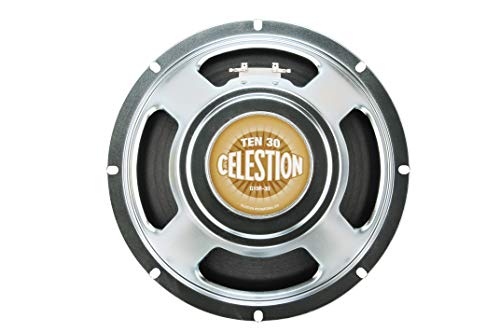
Brand: Celestion. Features include a full-bodied, authentic 10″ response with rich lows, vocal mid-range, and articulate highs. This model is a strong upgrade for compact recording amps and practice amps. Best for players seeking a classic Celestion voice in small formats. A potential limitation is that performance emphasis leans mid-to-highs, which may not satisfy players seeking ultra-tight bottom end in some cabinets.
Jensen MOD 10-50 10-inch 50-watt Guitar Amp Speaker – 4 ohm

Brand: Jensen. This 10″ speaker handles 50 watts and is specified at 4 ohms, making it suitable for compact amps needing more headroom. Best for players who want a robust, modern footprint with a bright, energetic top end. Limitation: 4 ohm impedance may require compatible cabinet wiring and may be less ideal for high-widelity studio rigs that prefer higher impedance.
CELESTION Ten 30 Guitar Speaker
Brand: Celestion. This listing presents a ten-inch option with a familiar Celestion voice—rich lows, expressive mids, and clear highs—well-suited for practice and compact recording amps. Best for players who want a balanced, all-around tone from a well-known brand. Caution: exact impedance and wattage specs should be verified for your specific cabinet to avoid mismatched loads.
Jensen Vintage C10R 10-Inch Ceramic Speaker, 8 ohm

Brand: Jensen. Vintage ceramic cone design aimed at classic tones, with 10″ diameter and 8 ohm impedance. Best for players chasing a traditional, punchy guitar voice with reliable midrange and a sturdy low end. Limitation: ceramic speakers can sound harsher at high volumes compared to some ceramic hybrids or alnico styles.
5 CORE 10 Inch Guitar Speaker – 60W 16 Ohm

Brand: 5 CORE. A high-output 60W 16-ohm speaker designed for guitar cabinets, amps, and DIY builds. Best for builders seeking a strong, dynamic sound with versatile impedance. Better for those planning larger or more complex rigs. Caution: as a lower-profile, budget-friendly option, long-term durability in high-stress environments should be considered in comparison with premium brands.
Buying Guide
What to consider when choosing a 10″ guitar speaker:
- Impedance: Match the speaker to your amp or cabinet. Common values are 8 ohm, 16 ohm, or 4 ohm. Incorrect pairing can reduce power transfer or overheat the amp.
- Power handling: Ensure the speaker’s watt rating aligns with your amp’s output to avoid overdriving or underutilization.
- Voice and tone: Ceramic vs. hybrid vs. alnico voices influence warmth, bite, and dynamics. For record-friendly tones, look for balanced mids and defined highs.
- Application: Practice amps, recording rigs, and cabinets have different demands. A speaker with strong midrange can improve cut in a mix, while tight lows help in small combos.
- Size and fit: Confirm enclosure dimensions and mounting depth. A 10″ cone should fit your cabinet cutout and baffle thickness.
How to choose by scenario
- Home practice and small amps: Look for warm lows and clear highs that translate well in small spaces. Ten 30 or Creamback styles often deliver this balance.
- Recording and direct tone: A speaker with articulate highs and midrange clarity can help preserve note definition on mic tracks.
- DIY cabinet builds: A high-watt, 16-ohm speaker can offer flexibility across different amp heads and cabs.
Practical comparison tips
- When choosing between similar models, prefer those with documented vocal midrange and strong top-end articulation for versatile use in both recording and live settings.
- Check compatibility with your cabinet’s impedance and wiring configuration to avoid mismatches.
- Consider the intended loudness and headroom. Higher wattage speakers can prevent clipping in loud rigs but may alter perceived tone when driven lightly.
FAQ
- Q: Are 10″ speakers suitable for high-gain amps? A: Yes, many 10″ options handle high gain, but verify wattage and voice to ensure note clarity under heavy distortion.
- Q: Which impedance is best for a guitar amp head? A: It depends on the head; common choices are 8 ohm or 16 ohm cabinets. Align with the head’s recommended load.
- Q: Can I mix different 10″ speakers in one cabinet? A: Mixing can yield unique tones but requires careful impedance planning and speaker alignment to prevent impedance imbalances.
- Q: Do ceramic speakers sound brighter than others? A: Ceramic cones often provide a punchier midrange and tighter bass; tone varies by design and magnet structure.
- Q: Are these speakers suitable for bass guitar? A: Some are not recommended for bass; the listed 10″ options are primarily for guitar signals, with limited bass extension.
- Q: Do these speakers require special care? A: Standard care involves avoiding prolonged clipping, ensuring proper cabinet mounting, and matching impedance to the amp load.