
Best Tin Whistle in the Key of a for Beginners and Folk Music
Looking for a beginner-friendly tin whistle in the key of A? This guide selects five solid options that balance playability, durability, and traditional tone. Each pick suits different players: the Rayzm A-key is ideal for new players seeking a stable alto timbre; the Generation G-18G offers classic English craftsmanship; Clarke’s Sweetone in D is a versatile starter with a simple mouthpiece; the Rayzm G-key model adds a warmer G-tone for Celtic tunes; and the Sondery/others cover brass tones and easy playability. Use the quick comparison below to choose the best fit for your musical journey.
| Product | Key | Best For | Notes |
|---|---|---|---|
| Rayzm Tin Whistle (Key A) | A | Beginners seeking stability | Durable, warm alto tone |
| Generation G-18G Tin Whistle | G | Traditional players, England-influenced sound | Classic design, bright tone |
| Clarke Sweetone Tinwhistle (D) | D | Complete starter set | Includes pouch and accessories |
| Rayzm Tin Whistle (Key G) | G | Warm, deeper tones | Solid build, beginner friendly |
| Sondery Irish Tin Whistle (Key D) | D | Beginner to intermediate with brass sound | Versatile, polished finish |
Rayzm Tin Whistle in Key A — Alto, Durable Aluminum
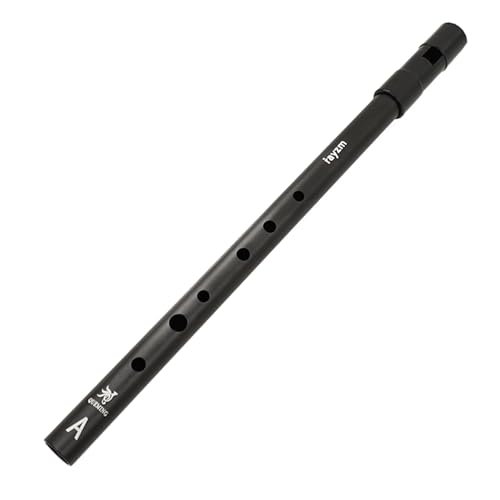
Best for beginners who want a stable alto voice. The Rayzm A-key whistle uses a durable aluminum alloy body with finely finished finger holes to reduce air leakage and improve note accuracy. A warm, clear mid-range tone sits between high whistles and low whistles, making it suitable for Irish folk tunes and Celtic melodies. It offers a range of up to two octaves, with the second octave accessible through controlled overblowing. The instrument’s robust build helps withstand daily practice, trips, and school use.
Who it’s best for: new players who prefer a bright, easy-to-control sound and a sturdy instrument. Why selected: it combines durability with beginner-friendly tuning and a pleasant alto timbre. Caution: overblowing practice to reach the second octave may require consistent air control for accurate pitch.
Generation G-18G Tin Whistle — Nickel Plated in G

Best for players who value authentic craftsmanship and a classic sound. The Generation G-18G tin whistle is made in England using brass, with a nickel plating that yields a bright, lively tone suitable for Irish and Celtic tunes. Its heritage design has endured for decades, appealing to beginners and seasoned players seeking a traditional feel. The instrument’s overblown second octave remains comfortable with practice, and its clear articulation supports precise finger work.
Who it’s best for: those who want a historically grounded instrument with a bright, consistent sound. Why selected: trusted English-made design that’s beginner-friendly yet retains professional musical character. Caution: brass construction requires mindful maintenance to prevent tarnish over time.
Clarke Sweetone Tinwhistle in D — Black with Pouch

Best for complete beginners who want value-added accessories. Clarke’s Sweetone in D uses a precision plastic mouthpiece with a tapered metal body. It includes a fingering chart, a music sheet, and a suede cloth bag, making it a convenient all-in-one starter package. The sound is clear, crisp, and suitably loud for classroom use or solo practice. This option is especially favorable for learners who benefit from guided materials and easy transport.
Who it’s best for: students and teachers seeking a ready-to-play package. Why selected: bundled accessories streamline early learning. Caution: the included materials are basic; advanced players may quickly outgrow the setup.
Rayzm Tin Whistle in Key G — Warm Alto Voice
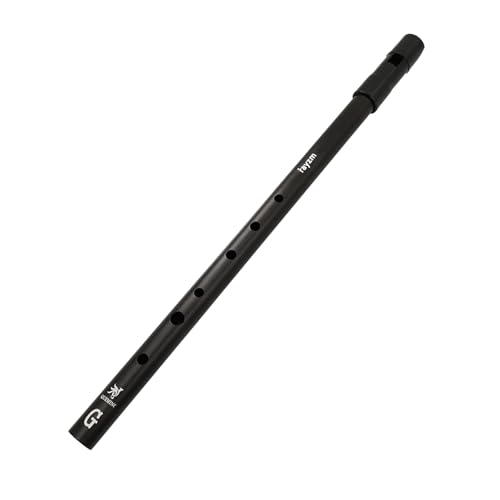
Best for players who want a deeper, mellower tone. This G-key Rayzm whistle uses a durable aluminum body with smooth finger holes for reduced air leakage. The warm and rich tone is commonly favored for Irish folk music and beginner practice that aims for a more mature, darker timbre. It also supports a two-octave range, making it versatile for simple melodies and early-stage arrangements. A practical pick for those who want a flexible, easy-to-control G-tone whistle.
Who it’s best for: learners seeking a more substantial, warm sound without switching keys. Why selected: consistent build quality plus a tone well-suited to Celtic and traditional pieces. Caution: the deeper tone may be less piercing in ensemble settings with louder instruments.
Sondery Irish Tin Whistle in D — Brass Look

Best for players seeking a versatile instrument with a polished finish. Sondery’s Irish Tin Whistle is made from brass-toned material and designed for easy playability in the key of D. It is suitable for traditional Irish tunes and folk music, with a simple blowing mechanism that supports beginners while remaining appealing to intermediate players. The kit’s polished look adds visual appeal for stage use and personal practice alike.
Who it’s best for: beginners who want a brass-tone feel and a refined appearance. Why selected: easy playability paired with versatile musical styles. Caution: brass-like finishes may require careful cleaning to preserve luster over time.
Buying Guide
Key considerations when choosing a tin whistle in the key of A or related keys:
- Sound and tone: Alto (A) whistles provide a brighter mid-range; G-key whistles offer a deeper, warmer timbre. Choose based on the tunes you plan to play.
- Material and durability: Aluminum is lightweight and durable; brass-based builds can produce richer tones but require maintenance.
- Ease of play: Look for smooth finger holes and a comfortable mouthpiece. Beginner-friendly models often include fingering charts or practice materials.
- Accessories and value: Starter packs with pouches, books, or fingering charts may help learners stay organized and motivated.
- Maintenance: Keep the instrument clean and dry to prevent corrosion or paint wear, especially for brass or nickel-plated bodies.
FAQ
- What is the best tin whistle for a complete beginner?
- Should I choose a tin whistle in A, D, or G?
- Are metal whistles more durable than plastic ones?
- What maintenance does a tin whistle require?
- Can a tin whistle be used for solo performances?
- Is overblowing necessary to reach the second octave?
Look for a beginner-friendly model with a simple mouthpiece, clear fingering, and optional learning materials. Clarke Sweetone is a common starter option due to its included accessories.
A key often suits Irish and Celtic tunes with a brighter mid-range; D provides a typical beginner-friendly range; G offers a deeper tone for certain folk styles. Your preferred repertoire guides the choice.
Metal and aluminum whistles tend to be more durable and produce a stronger tone than simple plastic models, though quality varies by brand and design.
Wipe the exterior after playing, avoid moisture buildup, and store in a dry place. Clean finger holes gently if buildup occurs, and check for air leakage or misalignment.
Yes, several picks in this guide are suitable for solo practice and performance, particularly the models with bright and clear tones and reliable tuning.
In most beginner models, the second octave is reachable with practice; overblowing introduces a higher register that may require consistent airflow and embouchure control.