
Best Twisted Pair Audio Cable for Clear, Noise-Free Sound
Answering the top buyer question: twisted pair audio cables deliver cleaner signal transfer in AV setups by reducing interference and static. This guide highlights five solid options, explaining who each is best for and why. Ideal for home theaters, recording setups, and PC audio rigs, these cables use high-purity copper and twisted pair design to minimize pops and static. Below you’ll find a quick comparison, then detailed product sections and a practical buying guide to help you choose.
| Product | Channel Count | Length |
|---|---|---|
| RECOIL RCI23 | 2-Channel | 3 ft |
| RECOIL RCI21 | 2-Channel | 1 ft |
| RECOIL RCI417 | 4-Channel | 17 ft |
| RECOIL RCI46 | 4-Channel | 6 ft |
| SKAR Audio SKAR6CH-RCA17 | 6-Channel | 17 ft |
RECOIL RCI23 3ft 2-Channel RCA Cable

Best for compact stereo setups where space is limited and high signal fidelity is essential. This 3-foot two-channel interconnect uses 100% oxygen-free copper and twisted pair technology to minimize static and popping, making it suitable for near-field listening or desk setups. Choose this if you need a short, high-quality link between a DAC and an amplifier or an active monitor pair.
Who it’s best for: desktop audio enthusiasts, small home theater components, and beginners building a clean signal chain.
Limitation: very short length may not fit larger layouts or longer runs without additional cabling.
RECOIL RCI21 1ft 2-Channel RCA Cable
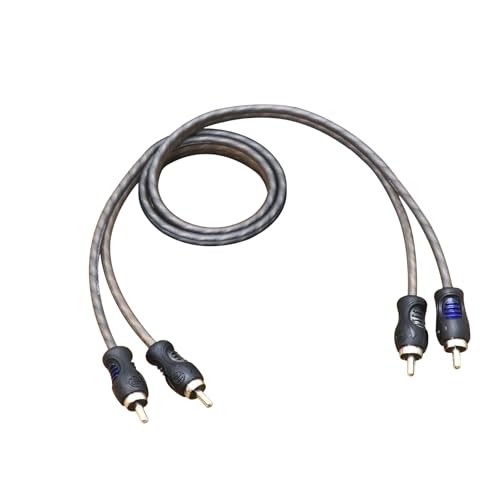
Best for ultra-short runs in a compact audio workstation or a portable listening setup. This 1-foot two-channel cable emphasizes 99.99% oxygen-free copper with twisted pair design to maximize signal transfer while reducing noise. It’s a practical choice where space constraints demand a clean interconnect without sacrificing audio clarity.
Who it’s best for: tight studio desks, small living room AV stacks, or laptop-to-hac or soundbar connections that require minimal cable length.
Caution: extremely short runs limit flexibility in typical AV racks, and may require routing to avoid bending near connectors.
RECOIL RCI417 17ft 4 Channel Cable

Best for multi-channel home theater or AV setups needing longer interconnects. This 17-foot, four-channel cable uses 99.99% oxygen-free copper and twisted pair configuration to minimize noise and ensure clean multi-channel signal transfer. It’s a solid pick for connecting a receiver to multiple analog inputs or distributing audio across several zones.
Who it’s best for: home theater enthusiasts, multi-room audio, and projects requiring multiple RCA paths without signal degradation.
Limitation: longer runs can introduce potential impedance concerns in very high-end systems unless matched with appropriate components.
RECOIL RCI46 6ft 4-Channel Cable

Best for mid-length, multi-channel setups where a balance of reach and channel count is needed. The 6-foot, four-channel interconnect uses oxygen-free copper and twisted pair design to help suppress noise and static. It’s a practical option for linking a 4-channel DAC or multi-channel amplifier with an AV receiver.
Who it’s best for: small to mid-size AV racks, 4-channel distribution, and desk-to-TV or speaker connections in living rooms.
Caution: ensure the route allows comfortable clearance for connectors; a longer bend radius helps maintain signal integrity.
SKAR Audio SKAR6CH-RCA17 17ft Cable

Best for audiophiles needing six-channel RCA interconnects with ample length. The 17-foot, six-channel design uses 99.99% oxygen-free copper and twisted pair construction to promote maximum signal transfer. It’s suitable for PC-based audio with multiple outputs or expansive home theater setups requiring several analog paths.
Who it’s best for: multi-channel PC audio, high-fidelity AV installations, and setups requiring additional RCA channels without losing clarity.
Caution: more channels mean more potential for crosstalk if runs are not properly kept separate and shielded where necessary.
Buying Guide: Twisted Pair Audio Cables For Your System
- What is twisted pair in audio cables and why does it matter? Twisted pair design reduces interference by pairing conductors to cancel noise. This helps maintain signal integrity across longer runs and in cluttered AV environments.
- Channel count and length considerations. For simple stereo setups, 2-channel cables in short lengths (1–3 ft) are common. Multi-channel systems benefit from longer runs (6–17 ft) and higher channel counts (4–6 channels) to minimize signal loss.
- Wire purity and construction. Look for 99.99% oxygen-free copper or similar high-purity conductors. This reduces resistance and preserves high-frequency detail, especially in complex music or film soundtracks.
- Compatibility and connectors. Ensure RCA interconnects match your devices (two-channel vs multi-channel). Confirm whether your gear supports balanced or unbalanced analog signals and that RCA is the correct path for your system.
- Durability and shielding. While all examples here emphasize twisted pair, consider jackets, shielding, and strain relief for long runs or frequent handling to prevent wear.
- Best use cases. Short, two-channel cables are ideal for desk setups or compact rooms. Longer, multi-channel cables suit home theaters and multi-room audio where signal consistency across channels is key.
FAQ
- What is twisted pair audio cable best for? Twisted pair improves signal transfer by reducing interference and noise, making it suitable for both stereo and multi-channel systems in cluttered environments.
- Do longer cables reduce sound quality? Longer runs can introduce issues if not properly designed, but high-purity copper and twisted pair construction help minimize degradation. Choose cable length to fit your space without excess slack.
- Are 99.99% oxygen-free copper cables worth it? Yes, they offer lower resistance and better signal fidelity, especially important in longer runs or high-detail audio setups.
- Should I buy a 4-channel vs 6-channel cable? If your system requires multiple analog outputs, a 4- or 6-channel twisted pair cable can simplify wiring and maintain signal clarity across channels.
- When is a very short cable advantageous? Short cables are ideal for compact setups where minimizing path length reduces potential interference and keeps routing clean.
- Can twisted pair cables replace more expensive balanced cables? Twisted pair RCA interconnects improve but do not replace the benefits of balanced connections; consider your equipment’s input options and noise sensitivity.