
Best USB Audio Interface Rack Mount Solutions for Home Studios
If you’re building a compact, rack-mounted recording setup, a USB audio interface with rack-mount capability is the right choice. This article highlights five USB audio interfaces and related rack-ready devices that balance input/output options, signal quality, and expandability. Each choice targets different needs—studio-recording multi-channel sessions, vintage-inspired analog tone, or flexible I/O for live setups. The buyer profiles below help you decide who each product is best for, with clear pros, limits, and why it was selected.
| Product | Best For | Key Benefit |
|---|---|---|
| Tascam US-16×08 Rackmount USB Audio/MIDI Interface | Multi-track studios and drum tracking | Eight mic preamps and 16 inputs for large sessions |
| Universal Audio Volt 876 | Aspiring to pro analog feel | Eight onboard vintage preamps with 32-bit/192 kHz conversion |
| Sedna 15 Port USB 3.1 Gen I Hub Rack Mount | High-port-count USB expansion | 15 downstream USB 3.1 Gen 1 ports in a 1U rack |
| Rockville PPA53 Pro 1U Pre-Amplifier with Bluetooth/USB | Flexible studio rack with wireless option | Mic/line inputs, Bluetooth, and USB in a compact 1U chassis |
| Behringer Pro Mixer VMX1000USB | DJ setups and live streaming | Built-in USB interface with DJ-focused controls |
Tascam US-16×08 Rackmount USB Audio/MIDI Interface
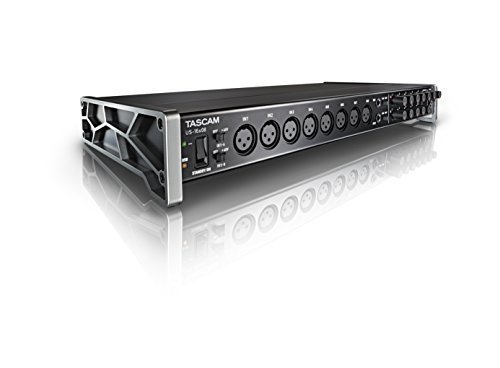
The Tascam US-16×08 provides a high-density input slate with eight Ultra-HDDA microphone preamps and a total of 16 mic/line inputs plus eight line inputs. This configuration is best for home studios or drum tracking where you need clean gain and clear routing. The device supports USB connectivity for computer recording and offers an expansive front-end for large session work. Best for: multi-mic recording environments or drum overdubs where many channels are required. Limitation: data indicates a broad input surface, but verify your DAW’s routing compatibility with the multi-media setup before purchase.
Universal Audio Volt 876 24×28 USB Audio Interface
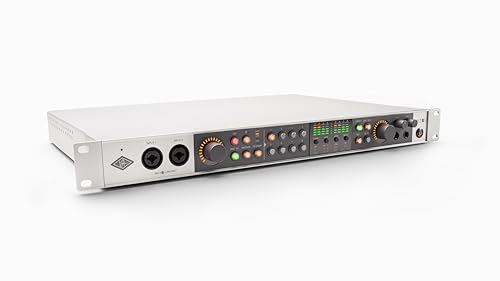
The Universal Audio Volt 876 stacks eight onboard vintage preamps and classic compressors with high-fidelity 32-bit/192 kHz conversion. Its rack-mount style and integration with the UAD Console app offer assistive auto-gain and session recall of front-panel settings. This model is best for: users seeking authentic analog tone embedded in a digital workflow, with flexible cue mixes and low-latency monitoring. Limitation: as a premium option, the analog vibe is central; ensure your software ecosystem benefits from UAD plugins and onboard processing instead of standalone DSP requirements.
SEDNA 15 Port USB 3.1 Gen I Hub Rack Mount

The Sedna hub provides a rugged 19-inch, 1U enclosure housing 15 USB 3.1 Gen I ports for expansion. It’s ideal for studios or live rigs requiring straightforward, high-speed USB expansion without sacrificing rack space. Best for: expanding multiple USB devices or interfaces within a single rack. Limitation: it’s a hubs-centric solution, so consider individual audio interfaces for advanced DSP features if needed.
Rockville PPA53 Pro 1U Pre-Amplifier with Bluetooth/USB

The Rockville PPA53 combines high-fidelity mic and line inputs with Bluetooth streaming and USB direct recording in a compact 1U form factor. It suits small to mid-sized studios or live rigs needing quick routing with flexible interfaces. Best for: users who want a straightforward preamp solution with wireless playback and utility USB recording. Limitation: the feature set focuses on preamp flexibility; users seeking advanced DSP or plugin integration may want alternatives with more extensive onboard processing.
Behringer Pro Mixer VMX1000USB

The Behringer VMX1000USB is a professional 7-channel rack-mount DJ mixer with a built-in USB interface. This model is best for: live performance and DJ setups where on-the-fly mixing and digital playback are essential. It enables direct recording and playback from a computer without extra drivers. Limitation: designed for DJ workflows, so the sound character and routing options may be oriented toward live mixing rather than pure studio capture.
Buying Guide
What to consider when choosing a rack-mount USB audio interface
- Input/Output Needs: Count your microphone and instrument inputs and ensure enough line inputs for your workflow. If you’re tracking drums or ensembles, multi-channel preamps are crucial.
- Preamp Quality: Look for clean gain, low noise, and whether you prefer vintage/analog coloration or transparent digital conversion.
- Digital Conversion: Firmware and sample rates (e.g., 24-bit/192 kHz) influence your clarity and headroom in large sessions.
- Rack Compatibility: Confirm 1U or 2U form factors, mounting hardware, and space in your rack for cables and cooling.
- Software and Compatibility: Check if bundled software or console apps align with your DAW and plugin preferences. Consider whether assistive gain or recall features will save time during sessions.
- Latency and Monitoring: Evaluate direct monitoring options and cue mixes for real-time performance without latency distractions.
Practical buying questions
- What is my primary use: studio tracking vs. live performance? Choose devices with the appropriate balance of preamps, I/O, and routing.
- Do I need USB hub expansion or actual audio interfaces with DSP and plugins?
- Is rack space at a premium, or can I allocate more space for performance needs?
- Should I prioritize analog flavor or clean digital conversion for my style?
- Will I need wireless features like Bluetooth, or is direct recording via USB sufficient?
FAQ
- What does rack-mount imply for an audio interface? – It means the device is designed to fit into a standard 19-inch equipment rack, often in 1U or 2U height, for organized studio setups.
- Can USB audio interfaces double as MIDI interfaces? – Some models include MIDI I/O, but verify specific device features from the product page.
- Are vintage preamps always better? – Vintage-inspired preamps can add character, but “better” depends on your genre and desired tonal color.
- Should I choose a hub or an interface with more integrated I/O? – If you need many USB devices in one rack, a hub may help; for audio-focused stability, prioritize interfaces with integrated I/O.
- Is latency a concern with USB audio? – Latency exists with USB audio, but many interfaces provide low-latency monitoring and cue mixes to minimize it.
- Do I need software from the manufacturer? – Optional in many cases; some bundles add value, especially for creative workflows.