Best USB Microphone for Mac: Top Picks for Clear, Easy Recording
Answering the common buyer question: which USB microphone works best with Mac for vocals, podcasts, streams, or remote work? This guide highlights five reliable options that pair well with macOS, offering plug-and-play setup, clear voice capture, and practical features for different use cases. The best choice depends on your needs—podcasting, gaming, voiceovers, or online classes. The table below compares the five recommended models to help you decide quickly.
| Product | Best For | Key Benefit | Notes |
|---|---|---|---|
| FIFINE K669B | Beginners & streamers | Easy setup with solid build | Direct USB, compact |
| ZealSound K66 | Podcasting & online classes | Intelligent noise reduction mode | Wide compatibility |
| JOUNIVO USB Mic | Gamers & voice dictation | 360° gooseneck & mute LED | Plug & play |
| CMTECK G009 | Home studios & meetings | Mute button with LED indicator | Noise cancellation |
| Amazon Basics Condenser Mic | Budget-friendly setups | Cardioid pickup, adjustable stand | Solid entry option |
FIFINE USB Microphone K669B

The FIFINE K669B is a compact, metal USB condenser microphone designed for Mac and PC use. It offers plug-and-play operation with a 5.9-foot USB cable, making it suitable for desk setups, home studios, and streaming. Best for beginners and casual creators who want a straightforward, reliable mic for vocals, podcasts, or Zoom meetings. The built-in volume knob lets users quickly adjust levels, which helps protect privacy or reduce loudness during talks. A potential limitation is its lack of compatibility with consoles like Xbox and some mobile devices.
Why it’s selected: The K669B provides a sturdy metal build, simple USB connectivity, and immediate usability without extra software. Its cardioid pattern focuses on your voice while minimizing background noise to improve clarity in meetings, streams, and voice-overs. It’s especially attractive for new users who want a no-fruss setup on Mac.
Best for: New creators, students, and remote workers who need a dependable, easy-to-use microphone without software installation.
Caution: Works best with USB-A on standard computers; may not pair with some gaming consoles or phones without adapters.
Logitech Creators Blue Yeti USB Microphone (Blackout)

The Blue Yeti is a versatile USB microphone with four pickup patterns: cardioid, omni, bidirectional, and stereo. It’s well-suited for Mac users who need flexibility for YouTube videos, podcasts, streaming, and Zoom calls. The included Blue VO!CE software and broadcast-quality sound help produce professional outcomes. This model is ideal for creators who benefit from multiple recording modes and the ability to tailor sound to different content types. A caveat: it’s larger and heavier than compact mics, requiring desk space.
Why it’s selected: The Yeti’s multi-pattern design makes it a “one-mic-fits-all” solution for varied tasks, from solo voiceovers to group podcasts. It’s a strong choice for Mac users who want high-quality sound without purchasing separate mics for different formats.
Best for: Content creators who need flexibility, high-quality sound, and simple plug-and-play setup across multiple formats.
Caution: The size and footprint may be impractical for very small desks.
JOUNIVO USB Microphone
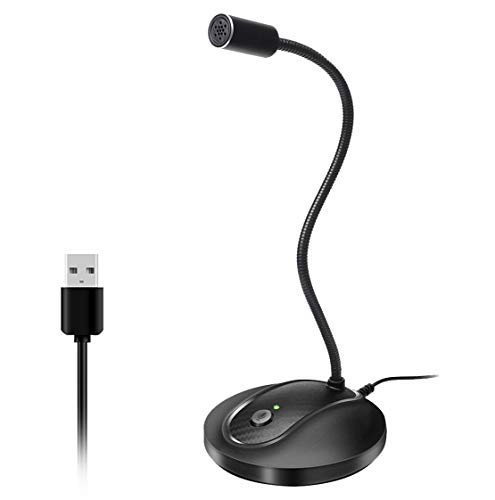
The JOUNIVO USB microphone features a 360-degree adjustable gooseneck, a mute button, and LED indicator. It is designed for Windows and MacOS and supports plug-and-play use. This mic is best for gamers, streamers, and voice-dictation tasks where precise mic placement and quick muting are valuable. Its omnidirectional pickup option means you can capture sound from multiple directions, but that also makes it more sensitive to background noise than a strict cardioid design.
Why it’s selected: The gooseneck offers flexible positioning, which helps optimize room acoustics for Mac setups without heavy editing. The mute function and LED status provide practical workflow benefits for busy call-heavy environments.
Best for: Users who need flexible placement and real-time muting, such as live streamers and classroom presenters.
Caution: Omnidirectional pickup can pick up more room noise; consider a quieter environment or using a directional mode when needed.
ZealSound Podcast Microphone K66

The ZealSound K66 USB microphone emphasizes studio-quality sound with a cardioid pattern and a gain control plus mute button. It offers an intelligent Noise Reduction Mode to reduce keyboard clicks, fan noise, and other background ambience. This makes it a solid pick for podcasters, online teachers, and streamers using Macs who want clear, focused speech with a simple control surface. It also includes USB-C and Lightning adapters for cross-device compatibility, broadening its use beyond a desktop Mac environment.
Why it’s selected: The built-in noise reduction and straightforward interface help deliver cleaner recordings in real-world spaces, making it a strong value for Mac users who want easier editing later.
Best for: Podcasters and educators who record in imperfect spaces and need on-device noise suppression.
Caution: The default mode yields a warmer tone; for bright rooms, adjust the gain to prevent clipping.
CMTECK USB Computer Microphone G009

The CMTECK G009 is a cardioid condenser mic with a focus on clear voice capture for online chats, home studios, and YouTube. A CCS2.0 smart chip helps suppress background noise, and a dedicated mute button with an LED indicator provides quick status feedback. It’s a practical option for Mac users who want a dependable mic with built-in noise management and a visible mute cue for better meeting etiquette.
Why it’s selected: Its active noise cancellation and easy mute feature support professional-sounding recordings in shared spaces, which is valuable for remote teams and content creators using Macs.
Best for: Home workers and hobbyists who value a clear voice with simple controls and a visible mute state.
Caution: The sound profile may be less flexible for musical instruments; it’s primarily designed for voice work.
Buying Guide: What To Consider When Buying A USB Microphone For Mac
- Purpose and voice type: Is the mic for podcasts, streaming, meetings, or voiceovers? Choose a cardioid pattern for focused voice capture, or consider multiple patterns if you need versatility for music or interviews.
- Connectivity and compatibility: Ensure USB-A or USB-C compatibility with your Mac. Some mics include adapters for broader device support.
- Ease of use: Plug-and-play models with mute buttons, gain controls, and LED indicators streamline workflows on macOS.
- Noise handling: Built-in noise reduction and a cardioid pattern help minimize room noise. For noisy environments, consider microphones with advanced noise cancellation modes.
- Physical design and space: If desk space is limited, opt for compact mics like the FIFINE K669B or the CMTECK G009 with a stable stand or a compact mount.
- Future-proofing: If you plan to record across devices (Mac, PC, mobile), a mic with USB-C and USB-A compatibility or adapters can simplify switching between devices.
- Price-to-performance: Budget-friendly models often deliver solid sound for everyday tasks, while premium options provide flexible patterns and software enhancements for advanced users.
FAQ
- Do USB microphones work with Macs without drivers? Yes. Most USB mics are plug-and-play on macOS, especially the models above.
- Which mic is best for podcasting on a Mac? The ZealSound K66 and the Blue Yeti both offer features favorable for podcasts, including noise control and multiple patterns depending on the setup.
- Is a cardioid microphone better for meetings? Generally yes, cardioid mics focus on the speaker and reduce ambient noise, making them suitable for meetings and calls.
- Do I need extra software to use these mics on a Mac? For basic recording, no. Some mics offer software features (like Blue VO!CE) that can enhance sound but are optional.
- What should I consider if my room is noisy? Look for microphones with built-in noise reduction or consider a cardioid pattern with proper room treatment to minimize echo and background noise.
- Can I use these mics with iPads or iPhones? Some models include USB-C or Lightning adapters to connect to mobile devices, enabling cross-device recording.