
Best Violin Bow and Rosin: Top Picks for Students and Professionals
Answering the search intent for violinists shopping for bows and rosin, this guide highlights five practical picks that balance quality, affordability, and playability. Bows are centered for 4/4 full-size violins, while rosins boost grip and tone. The top picks include two Brazilwood bows for diverse tonal options and rosin choices that suit beginners through advanced players. This overview helps you decide who each option is best for—students, hobbyists, or professionals—without overspending on features you won’t use. A quick summary table follows to compare core benefits.
| Product | Category | Best For |
|---|---|---|
| AMZZ Professional 4/4 Brazilwood Bow | Violin Bow | Intermediate to professional players seeking tone and control |
| LMS Violin Bow Full Size 4/4 | Violin Bow | Students and advancing players needing balance |
| D’Addario Natural Rosin (Light) | Rosin | Most players needing a versatile, low-dust option |
| EastyGold Rosin 2 Pack (Light Low Dust) | Rosin | Beginners and students wanting low dust and long-lasting grip |
| D’Addario Kaplan Premium Rosin with Case (Dark) | Rosin | Players seeking longer rosin life and case convenience |
Note: Each product section below includes usage guidance, best-for guidance, and a practical caveat to help you choose confidently.
AMZZ Professional 4/4 Brazilwood Bow

This bow uses selected Brazilwood and AAA+ Mongolia white horsehair for a resonant, full sound with a balanced feel. It features a mother of pearl inlaid ebony frog, unbleached horsehair, and an abalone slide with silver-plated wire. The straight, lightweight design supports precise control for students and professionals alike. Best for players seeking a reliable, audition-ready bow with traditional tone.
Who it’s best for: Students progressing to intermediate players who want a responsive, well-balanced bow. Why selected: combines classic materials with solid construction at a practical price. Caution: finish and stick consistency can vary; check tension and alignment before use.
LMS Violin Bow Full Size 4/4

This Brazilwood bow with ebony frog and Mongolian white horsehair offers a well-balanced feel and a comfortable grip. It’s designed for a full, clean tone across a range of dynamics, making it suitable for students and professionals seeking reliable response. Best for: players who want a lightweight, easy-to-control bow with good balance.
Who it’s best for: Beginners to mid-level players looking for a dependable bow that supports consistent phrasing. Caution: some users report minor tension differences between batches; ensure the stick is straight before playing.
D’Addario Natural Violin & Cello Rosin, Light

All-natural rosin designed to deliver premium performance at a value. The light rosin uses a unique plastic channel for easy grip and is versatile for horsehair or synthetic bows used on violin, viola, or cello. Best for: students and casual players seeking a flexible, easy-to-use rosin. Caution: light rosin may wear faster under heavy playing conditions; consider a darker option for dense strings.
EastyGold Rosin Natural for Violin Cello Viola Rosin Light Low Dust

Low-dust, natural resin rosin designed to reduce health risks while delivering a brighter, more penetrating sound. It adheres well and supports strong bow hair grip. Best for: players seeking a low-dust option with enhanced sensitivity. Caution: broad claim of durability; actual longevity depends on climate and usage.
D’Addario Rosin Guard with Light Rosin
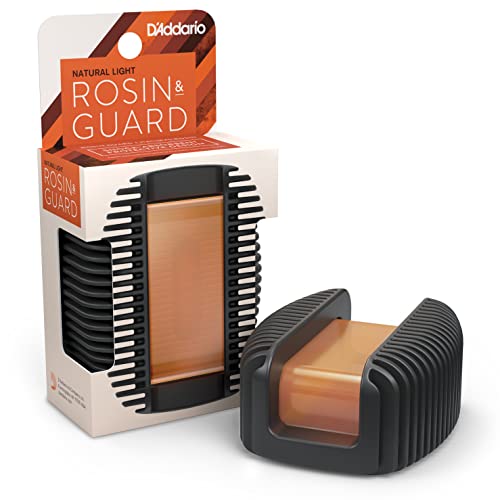
This rosin guard offers extended rosin life by securing the rosin on all sides and features a magnetic, comfortable grip for easy application. It helps prevent rosin breakage and keeps the rosin within reach during practice. Best for: players who want to protect rosin and streamline rosin application. Caution: may add bulk in tight instrument cases.
WOGOD Rosin Natural for Violin Cello Viola 2 Pack
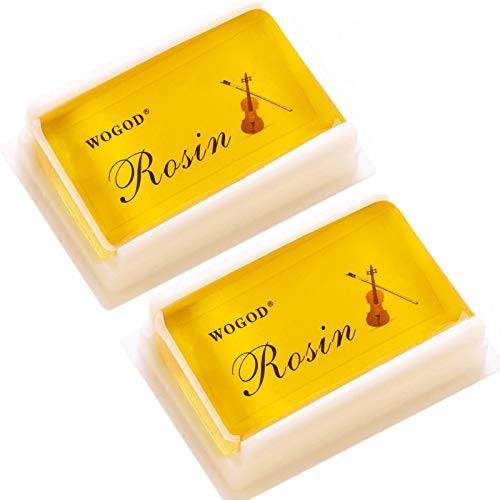
Natural resin rosin in a two-pack, designed to fit multiple stringed instruments. It offers low-dust performance with strong adhesion and bright sound steering. Best for: players who want value and consistent grip across multiple bows. Caution: rosin color and texture may vary between batches; check seal integrity before use.
Buying Guide
What to consider when choosing a violin bow:
- Material: Brazilwood bows deliver a warm, traditional tone; pernambuco offers richer color but higher cost. For entry-level and mid-level players, Brazilwood with a good frog is a solid choice.
- Hair quality: Mongolian white horsehair is common; hair length and thickness influence balance and response.
- Frog construction: Ebony with inlays adds durability and aesthetic, but ensure smooth movement and secure screw mechanism.
What to consider when choosing rosin:
- Dust level: Low-dust rosins reduce mess and inhalation exposure; good for beginners and practice rooms.
- Tone and grip: Light rosins suit beginners; darker rosins can increase friction for stronger grip in dry climates.
- Packaging: Rosin with a case or guard helps prevent breakage and keeps it clean when not in use.
Buying tips by scenario:
- Best for students starting on 4/4 violins: LMS bow plus a versatile light rosin like D’Addario Natural Rosin.
- Best for transferring tonality to a rich, classical sound: AMZZ Brazilwood bow with medium weight and a reliable rosin like EastyGold Light.
- Best for long practice sessions: D’Addario Kaplan Premium Rosin with Case offers a long-lasting option and a protective case.
Frequently Asked Questions
- What is the difference between a Brazilwood and a pernambuco bow? Brazilwood is traditional and affordable with warm tone; pernambuco is denser and more responsive but pricier.
- Is low-dust rosin better for beginners? Yes, it reduces mess and inhalation risk, helpful in small spaces.
- Can rosin damage bow hair? Rosin does not damage hair when used properly; excessive rubbing can create buildup. Clean with a dry cloth after use.
- Should I use rosin on every practice session? Most players apply rosin as needed to maintain grip; excessive use can create a squeaky sound and dust buildup.
- Is a rosin guard worth it? A rosin guard can extend rosin life and simplify application, especially in busy practice rooms.