
Best Violin Bridge Fitting Tools for DIY Setups
Answering the buyer’s search, these violin bridge fitting tools are designed for do-it-yourself adjustments, repairs, and precise bridge positioning. They are best for beginners fitting their own bridges, hobbyists performing occasional maintenance, and luthiers seeking reliable metal and carbon-fiber components. The top five selections below offer solid metal construction, clear measurement references, and ergonomic grips to improve accuracy and control during bridge work.
| Product | Best Use | Notes |
|---|---|---|
| Yootones Violin Bridge Fitting Tool (Blue) | Beginner-friendly bridge fitting | Solid metal, polished surface |
| Yootones Violin Bridge Fitting Tool (Black) | Versatile for adjustable violins | Solid metal, polished surface |
| Piutouyar Violin Bridges Fingerboard Repair Reference Tool | Precise measurements for string height | Carbon fiber, clear print |
| TUOREN Violin Bridge File | Bridge repair and nut slotting | Durable metal, rubber grip |
| Jiayouy Violin String Lifter & Bridge Template (2pcs) | Bridge change and string positioning | Plastic gauge, rustproof |
These five products stand out for straightforward use, practical features, and clear indications of who benefits most. The table above helps you compare at-glance when planning your buy.
Best For Beginners: Yootones Blue Violin Bridge Fitting Tool

This tool is ideal for users new to bridge fitting. It offers a solid metal build with a polished surface that helps stabilize the bridge feet during adjustment. The design supports aligning bridge feet to the violin or viola, reducing the risk of slips. Best for learners who want a simple, sturdy tool without complex features. A minor limitation is that it focuses on basic alignment rather than advanced measurement scales.
Versatile Option: Yootones Black Violin Bridge Fitting Tool
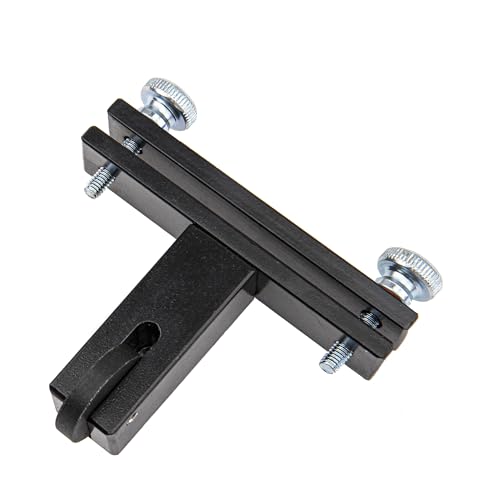
Choose this when you want a robust metal bridge holder with a polished finish, suitable for adjustable violins. It shares the same solid construction as the blue version and is best for users who prefer a darker tool that may hide wear better. The tool supports precise placement of feet but does not include specialized measurement features, so use alongside other gauges if you need exact string height specs.
Precision Crafting: Piutouyar Black 4/4 Violin Bridges Fingerboard Repair Reference Tool
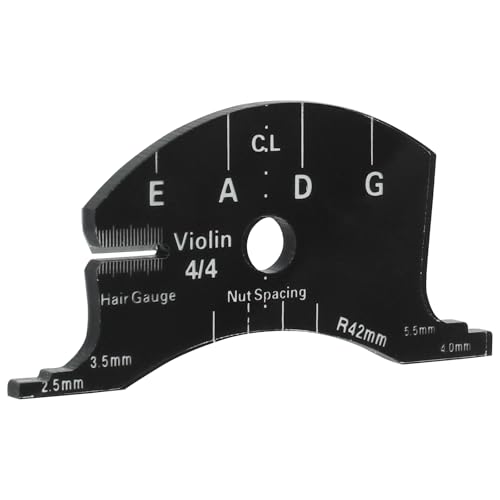
Selected for its carbon fiber construction and clear measurement print, this tool helps ensure precise string height and pillow width adjustments. It is suitable for users who value measurement visibility and a deeper understanding of violin codings and chord distances. It may be overkill for casual hobbyists who only need basic bridge alignment, but it excels for precise setup work.
Durable File: TUOREN Violin Bridge File
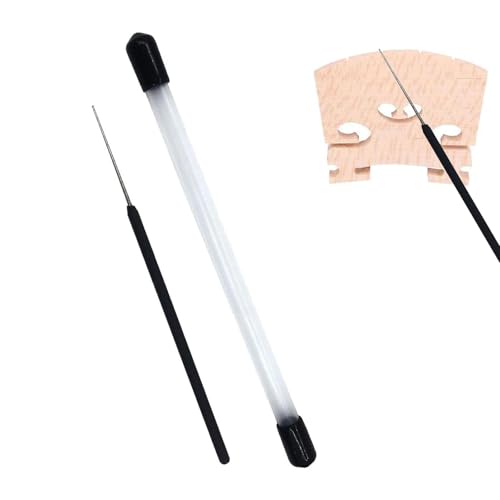
Best for bridge repair and nut slotting, this tool is built with sturdy metal and a durable finish. The rubber handle provides a comfortable grip for controlled filing. It is a strong choice for users who regularly perform bridge maintenance and want a dedicated file for precision work. A potential drawback is that it may require complementary tools for complete nut or bridge replacement tasks.
Reliable Lifter & Template: Jiayouy 2-Pack Violin String Lifter & Bridge Template

This 2-pack provides a string lifter and a bridge template with a plastic gauge to help set string positions and bridge curvature. It is best for users performing bridge changes who want a safe method to lift strings and align the bridge. The tools are rustproof and anti-corrosion, but the plastic gauge can wear with heavy use; consider rotating between pairs for longevity.
Buying Guide
What should I consider when choosing a violin bridge fitting tool?
- Material and construction: Metal and carbon fiber tools offer durability and precise handling. Plastic components can be lighter but may wear faster.
- Intended use: Beginners benefit from simple, stable holders; advanced users may want measurement scales and templates for precise alignment.
- Ergonomics: A comfortable handle reduces fatigue during longer sessions. Rubber grips help maintain control.
- Compatibility: Ensure the tool supports your instrument size (4/4 vs smaller violins) and fits with your bridge type.
- Maintenance: Look for corrosion-resistant materials and easy cleaning to extend tool life.
How to combine tools for the best results?
- Use a bridge holder or lifter to stabilize the bridge while you adjust feet alignment.
- Pair a precision reference tool (like a carbon-fiber reference or bridge template) with a file for nut and height adjustments.
- Keep a soft cloth handy to wipe surfaces and avoid scratches during setup.
Common trade-offs
- Price vs. accuracy: Simpler tools are affordable but may lack measurement features; premium tools offer precision but at higher cost.
- Weight vs. control: Heavier tools can feel steadier but may be tiring; lighter tools improve maneuverability but can be less stable.
Quick reference: who should buy which tool?
- Beginner and DIY enthusiasts: Yootones Blue or Black for straightforward bridge fitting.
- Careful measurement and reference work: Piutouyar carbon fiber tool for clear measurements.
- Bridge repair and nut work: TUOREN Violin Bridge File for filing tasks.
- Bridge changes and string positioning: Jiayouy 2-pack for lifter and template needs.
FAQ
- What is the main advantage of a violin bridge fitting tool?
It helps stabilize the bridge and guide precise alignment during setup and adjustments. - Should I buy more than one tool at once?
Yes, combining a bridge holder with a template or reference tool improves accuracy and efficiency. - Is carbon fiber better than metal for these tools?
Carbon fiber offers clear measurement visibility and light weight; metal tools are typically more durable. - Can these tools be used on violas as well?
Some models are compatible with viola bridges; verify instrument size and bridge type before use. - Do these tools require maintenance?
Regular cleaning and drying prevent corrosion; stainless and coated metals resist wear. - Are there safety concerns when using these tools?
Use tools gently to avoid nicking strings or damaging the instrument; store properly when not in use.