
Best Vocal Pitch Shift Pedals for Live Performance and Studio Work
Answering the search for vocal pitch shift pedals, this guide highlights pedals that deliver robust polyphonic pitch shifting, harmony, and detune effects suitable for vocal processing, live singing, and recording. The top picks are best for singers seeking harmony textures, for guitarists adding vocal-like duplicates, and for producers exploring experimental vocal design. The table below summarizes five strong options and who they suit.
| Product | Best For | Key Strength |
|---|---|---|
| Rowin Harmonizer Guitar Pedal | Singers and guitarists needing polyphonic harmony | Wide ±2 octave range with harmony, pitch shift, and detune |
| LEKATO Mini Pitch Shifter Pedal | Compact rig with versatile modes | Three modes (Harmony, Pitch Shift, Detune) and 16 parameters |
| FLAMMA FV01 Vocal Effects Processor | Singers and streamers | Vocal tone shaping with pitch correction and vocal effects |
| Digitech DROP | Studio and live players needing downward shifts | Polyphonic downward pitch shift with momentary/latch switching |
| BOSS XS-1 Poly Shifter | Pro-quality pitch shifting in a compact form | Natural feel with clear pitch change |
Rowin Harmonizer Guitar Pedal
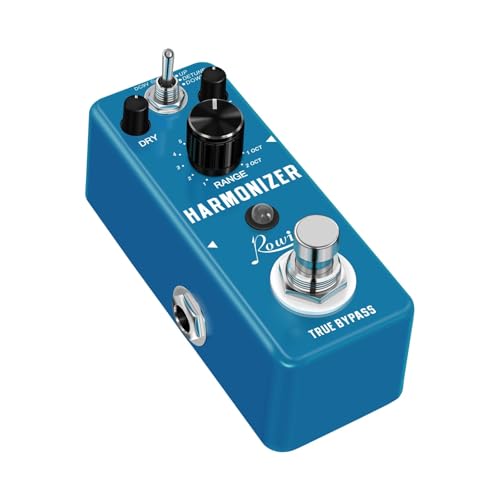
The Rowin Harmonizer offers polyphonic harmony, pitch shift, and detune modes in a compact format. It tracks both single notes and chords to generate shifted voices, enabling fuller lead melodies and layered riffs. The ±2 octave range expands possibilities for octave riffs and experimental textures. This pedal is best for guitarists who want vocal-like harmony and choir-like textures without a large pedalboard, and for performers who need quick, creative texture changes during performances. A potential limitation is that polyphonic tracking can vary with complex chords or aggressive picking dynamics, which may affect tracking accuracy in some styles.
LEKATO Mini Pitch Shifter Pedal
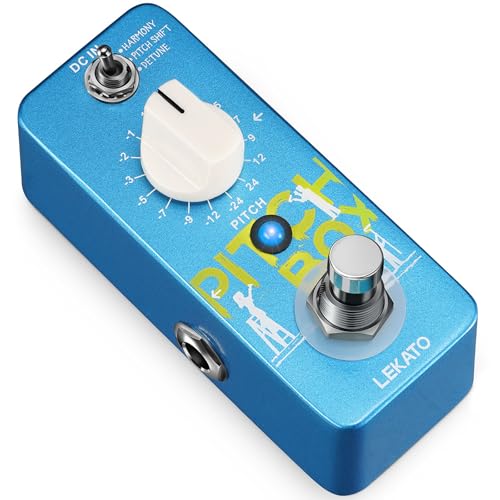
The LEKATO Mini Pitch Shifter offers three effects modes: Harmony, Pitch Shift, and Detune. It provides precise polyphonic pitch shifting with an up to ±2 octave range, making it suitable for capturing vocal-like harmonies and textured vocal leads. With 16 customizable parameters, users can tailor the effect to their voice or instrument. This pedal is ideal for compact rigs where both subtle detune and richer harmonies are desired. A note of caution: smaller form factors can limit control depth during live tweaking compared to larger pedals.
FLAMMA FV01 Vocal Effects Processor

The FV01 is a vocal effects processor with pitch correction and multiple vocal effects. It provides warm, bright, and normal EQ modes, enabling singers to shape their tone while adding pitch-based effects. This pedal is best for vocal-focused performances and streaming setups where real-time vocal correction and effects are priorities. A limitation is that dedicated vocal instrument processing outside of pitch correction may require additional effects or pedals for a complete vocal chain.
Donner Octave Guitar Pedal

The Donner Octave Pedal provides 7 shift types with three tone modes (Sharp, Flat, Detune). It supports ±2 octave range with a wet/dry mix control, enabling octave-led vocal-like textures when used with a vocal processor or direct guitar input. This option is best for players who want a broad palette of octave effects in a compact unit. A potential caveat is interface complexity with multiple toggle options, which may require a learning period for optimal use.
Electro-Harmonix Pitch Fork

The Pitch Fork is a polyphonic pitch-shifting pedal with multiple shift modes (up, down, or dual). It includes an 11-position Shift knob to select intervals and an EXP input for external control of pitch shift or glissando. It’s a solid choice for performers seeking flexible pitch manipulation with straightforward controls. A possible limitation is the need for an external expression pedal to maximize live performance control in some contexts.
BOSS XS-1 Poly Shifter

The BOSS XS-1 offers a high-quality pitch shifting engine, instant pitch change capability, and a natural-sounding response. This compact pedal is designed for reliable live performance with minimal tonal coloration. It’s best for players who want dependable, studio-grade pitch shifts in a small footprint. A limitation might be that advanced vocal-specific effects are not its primary focus, so a dedicated vocal processor could complement it for singers needing more vocal-specific processing.
Buying Guide: Key Considerations For Choosing A Vocal Pitch Shifter Pedal
- Polyphonic tracking: Look for pedals that clearly advertise polyphonic pitch shifting to handle chords and dense vocal textures without glitches.
- Pitch range: A ±2 octave range is common and versatile, enabling both subtle detuning and dramatic octave shifts for creative lines.
- Modes and versatility: Harmony, Pitch Shift, and Detune modes cover a wide range of uses from traditional harmonies to experimental textures.
- Input/output flexibility: Consider whether you need wet/dry mix controls, EXP/pedal control, and compatibility with both guitar and vocal signal chains.
- Latency and tracking stability: For live vocal use, fast response and stable tracking are essential to avoid noticeable lag or misalignment with the performer’s timing.
- Form factor and ease of use: Compact boards save space, but ensure controls are accessible during performances or studio sessions.
- Audience goals: Live performers may prioritize robust, real-time processing, while studio users may favor precise, edit-friendly settings and presets.
Frequently Asked Questions
What is a vocal pitch shifter pedal used for?
It creates harmony and octave-shifted vocal textures, enabling single singers to generate multiple voices or layered effects during performances or recordings.
Are polyphonic pitch shifters reliable for live performance?
Yes, when chosen for good tracking and a stable signal path, polyphonic pedals can handle chords and vocal lines effectively with minimal latency.
Should I choose a pedal with detune mode?
Detune adds subtle pitch variations that can enrich vocal textures and create a chorus-like effect, often valuable for creative sound design.
Do I need additional gear to use these pedals with vocals?
Depending on your setup, you might use a vocal mic through an amp or direct into an audio interface. Some pedals include built-in effects that reduce the need for extra gear.
Which pedal offers the most natural sound for vocals?
Natural-sounding results often come from pedals with high-quality pitch algorithms and well-implemented formant preservation; evaluating in practice is recommended.