
Best Wah Wah Pedal for Guitar: Expressive Tones for Every Player
Answering the common search for the best wah pedal for guitar, the following picks deliver classic Cry Baby tones, modern control, and compact options for stage and studio use. Best for players who want expressive sweeps, strong midrange presence, and reliable build in various genres. The top choices cover traditional cry tones, adjustable voice, and multi-wah versatility to suit beginners through pros.
| Product | Why It Stands Out |
|---|---|
| Dunlop Original Cry Baby Standard Wah (GCB95) | Timeless Cry Baby tone with iconic Fasel inductor; ideal for classic funk, rock, and blues players. |
| Cry Baby 95Q Wah | Flexible control: adjustable intensity, output, and switchable boost for bold leads. |
| Dunlop 535Q Multi-Wah Guitar Effects Pedal | Six wah ranges and adjustable boosts; best for players who want versatile voice options in one pedal. |
| CAE Wah | Dual Fasel inductors and onboard boost; highly adaptable for professional rigs and tone sculpting. |
| Cry Baby Mini Wah | Compact footprint with full sweep and multiple voice options for small pedalboards. |
Notes: Each option below is chosen for its balance of classic tone, modern control, and model-specific advantages. Use this guide to compare core attributes such as voice, boost availability, and build quality to match your playing context—studio, live, or practice sessions.
Dunlop Original Cry Baby Standard Wah (GCB95)

The Cry Baby Standard Wah is a long-standing benchmark known for bold, expressive tones. Best for players seeking a classic, recognizable wah sweep with a lush midrange presence.
- Best for: players chasing an iconic cry and reliable, stage-ready performance.
- Why chosen: iconic Fasel inductor yields expressive, musical sweeps.
- Caution: May feel less flexible than modern multi-voiced pedals for experimental users.
Cry Baby GCB-95 Classic Wah Pedal Bundle
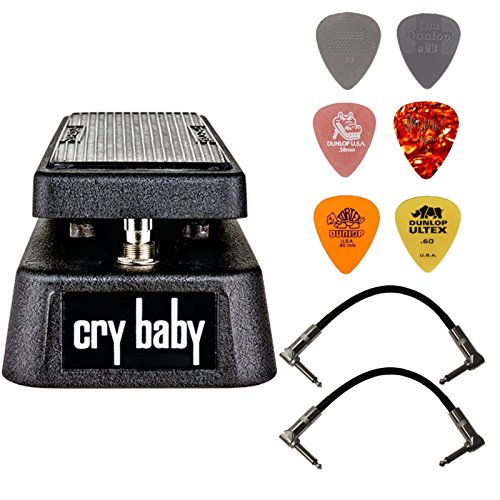
This bundle centers the classic Cry Baby vibe with a sturdy build and included extras. Best for players who want a proven classic along with convenient accessories.
- Best for: vintage tone purists and players who value a proven, classic wah voice.
- Why chosen: durable die-cast construction and historical pedigree.
- Caution: Bundle items may add complexity for those seeking a single-pedal compact setup.
Cry Baby 95Q Wah

The 95Q adds stage-ready control with adjustable intensity, output level, and a switchable boost. Best for players who want a personalized wah edge with strong lead tones.
- Best for: players who need tailored wah response and extra boost for solos.
- Why chosen: customizable Q and an optional +16 dB boost for prominence in mix.
- Caution: Increased controls mean a shorter learning curve for precise shaping.
Dunlop Original Crybaby GCB95 Standard Wah Tonebird Bundle

This Tonebird bundle pairs the iconic Cry Baby Standard with added value for players seeking a complete package. Best for newcomers aiming to quickly establish a classic wah tone with extra accessories.
- Best for: players who want a ready-to-go setup with practical extras.
- Why chosen: proven voice plus bundled accessories for quick setup.
- Caution: Bundle brand may vary in perception of value; verify included items before purchase.
CAE Wah

The CAE Wah focuses on professional-grade versatility with dual Fasel inductors and a built-in boost. Best for players who need a wide tonal palette for studio work or on-stage adaptability.
- Best for: tone sculptors who want multiple voices and an onboard boost.
- Why chosen: two voices with distinct high-end and midrange responses plus boost for extra presence.
- Caution: May have a steeper setup process to dial in precise tones.
JIM DUNLOP 535Q Multi-Wah

The 535Q offers six wah ranges and a responsive boost. Best for players who want a wide tonal sweep in a single pedal and the ability to dial from vintage to modern wah vibes.
- Best for: players who rotate through multiple wah textures in one performance.
- Why chosen: flexible voice options and adjustable boost make it a versatile choice.
- Caution: More parameters mean longer learning time for precise settings.
Buying Guide: Wah Pedal Essentials
What should you consider when choosing a wah pedal for guitar?
- Tone character: Do you prefer the classic Cry Baby voice or a more modern, vocal-like response?
- Voice options: Are you seeking multiple voices or a single, focused tone?
- Boost and level controls: Is a built-in boost important for soloing or stage presence?
- Build and reliability: Do you need rugged, tour-grade construction or a compact, lightweight option?
- Size and footprint: Will the pedal fit on your board, and does it pair well with other effects?
- Power requirements: Does it run on standard 9V power or need external supplies?
Common Scenarios: Which Pedal Fits Your Situation?
- Classic tone on stage: The Dunlop Original Cry Baby Standard Wah is a safe, recognizable choice.
- Versatile studio setup: The CAE Wah or 535Q Multi-Wah provides multiple voices and boost options.
- Compact boards: The Cry Baby Mini Wah keeps footprint small while preserving expression.
- Budget-friendly bundles: Look for bundles that include cables or picks if you’re starting out.
Frequently Asked Questions
- What makes a wah pedal “classic” sound?
A classic sound typically emphasizes a strong, vocal-like peak with a smooth sweep and a distinct midrange punch, often achieved with a Fasel inductor.
- Do I need an onboard boost on a wah pedal?
Onboard boosts help solos cut through the mix, but not all players require them. Choose a model with boost if you perform lead lines frequently.
- What is the difference between a single-voice and multi-voice wah?
A single-voice pedal offers one main tone shape; a multi-voice pedal provides several tonal options, useful for variety across songs.
- Are compact wah pedals less capable than full-size ones?
Compact pedals can preserve core tonal qualities while saving space; however, some multi-voice capabilities may be more common in larger designs.
- Can I use a wah pedal with other effects?
Yes. Wah pedals pair well with overdrives, delays, reverbs, and compression. Placement on the chain depends on desired interaction with other effects.
- Is there a recommended power source for these pedals?
Most standard wah pedals use 9V DC power. Check each model’s power requirements and use a reliable, isolated supply if possible.