Best Wide Center Channel Speaker for Clear Dialogue and Immersive Home Theater
Finding the right wide center channel speaker can dramatically improve movie dialogues, soundtrack clarity, and overall front-stage sound in a home theater. This guide highlights five top picks that balance wide dispersion, clean midrange, and solid bass response, while remaining compatible with Dolby Atmos and DTS:X setups. Each option is evaluated on design, performance, and value to help you choose a model that fits your room and budget.
Buying options overview:
- Polk Monitor XT35 Slim Center Channel Speaker
- Klipsch R-52C Center Channel Speaker
- Klipsch Reference Next-Generation R-30C Center Speaker
- Polk Monitor XT30 Compact Center Channel Speaker
- Klipsch Reference Premiere RP-504C II Center Speaker
Polk Monitor XT35 Slim Center Channel Speaker

The Polk Monitor XT35 is a slim center channel designed to stay out of the way while delivering crisp, focused dialogues. Its 4″ mid/bass array and a 1″ Terylene tweeter combine with four 3″ dynamically balanced woofers to produce an open mid-range and strong bass for a compact footprint. The design emphasizes a low-profile form factor that won’t block a TV, making it ideal for living rooms and multi-purpose spaces. It also supports high-resolution input compatibility for immersive Dolby Atmos and DTS:X experiences from various sources.
Klipsch R-52C Center Channel Speaker
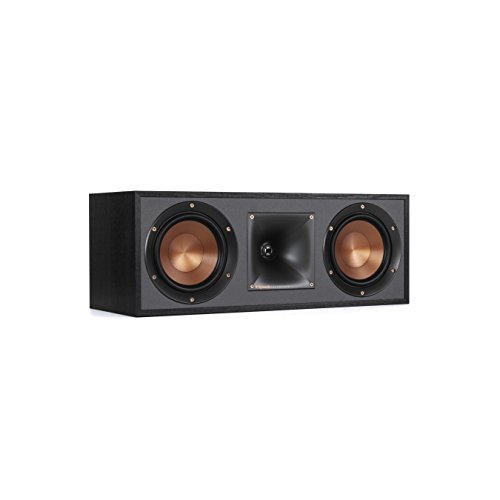
The Klipsch R-52C centers on dual 5.25″ spun-copper IMG woofers paired with a 1″ aluminum tweeter mated to a 90×90 Tractrix horn for wide dispersion and clear dialogue. Its frequency response and horn design aim to deliver consistent sound across seating positions, making it a strong choice for mid-sized to large rooms. The horn-loaded approach helps with off-axis performance, which is beneficial in rooms where listeners aren’t perfectly aligned with the center channel.
Klipsch Reference Next-Generation R-30C Center Speaker
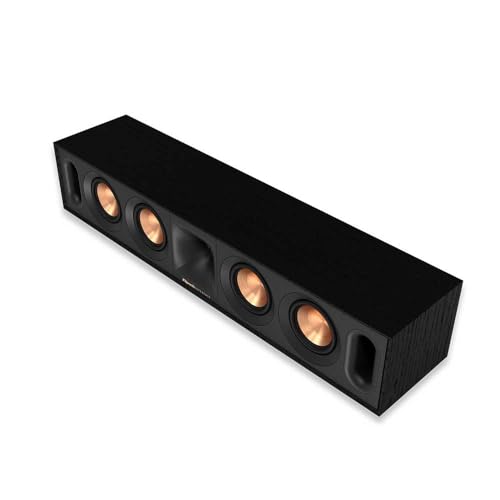
The Klipsch R-30C uses an all-new 90° x 90° Tractrix horn and a Linear Travel Suspension (LTS) aluminum tweeter. This combination reduces distortion and enhances top-end detail, while the spun-copper thermoplastic woofer design supports smooth, extended midrange and bass. The result is crisper dialogue and a more expansive soundstage, particularly useful in rooms with varied seating layouts.
Klipsch Reference Premiere RP-504C II Center Speaker

The RP-504C II expands on the Reference Premiere line with a larger Tractrix horn and a titanium LTS tweeter, paired with vented tweeter design for enhanced high-frequency detail. The bigger horn helps direct sound toward listeners for improved dialogue clarity, while the robust woofer array supports strong mid-range and bass performance, making it well-suited for larger rooms or enthusiasts seeking a more expansive center channel experience.
Polk T30 Center Channel Speaker
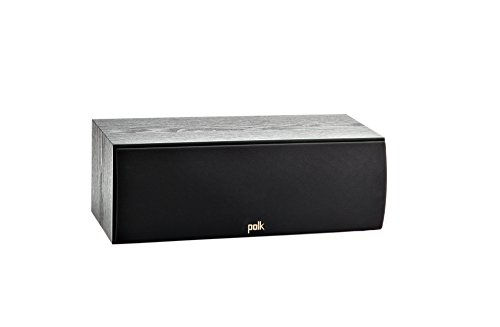
The Polk T30 focuses on vocal clarity and a balanced midrange with dual 5.25″ woofers and a 1″ silk dome tweeter. It’s designed to integrate seamlessly with Polk’s T-Series and provides a budget-friendly option without sacrificing essential dialog clarity or vocal presence. The dual woofer setup helps deliver deeper bass than many compact centers, contributing to an overall more immersive front soundstage.
Buying Guide: Key Purchase Considerations
- Speaker dispersion and room size: Wider horn designs and multiple drivers help maintain even sound across seating positions, particularly in larger rooms.
- Dialogue clarity vs. full-range performance: If your priority is clear on-screen speech, prioritize centers with dedicated midrange drivers and horn-loaded tweeters. For a more cinematic experience, choose models with more comprehensive woofer arrays for bass extension.
- Compatibility with amplifiers: Look for 4-8 ohm options and verify your receiver’s power rating to avoid under- or overpowering the speaker.
- Dolby Atmos and DTS:X readiness: Many centers support high-resolution formats and can pass-through or decode object-based audio when paired with a compatible AVR.
- Design and placement: Slim or compact centers fit tighter spaces and wall-mount setups, while larger models may offer richer bass but require more room.
- Aesthetics and room integration: Matte finishes and horn shapes influence how well the speaker blends with furniture and decor.
When evaluating options, consider your room layout, seating arrangement, and whether you plan to expand into a full Atmos setup. A center channel with strong off-axis performance will preserve dialogue clarity for viewers seated off-center, while a robust woofer array adds impact to explosions and soundtrack cues without overwhelming the dialogue.