
Finding The Right Center Channel is key to achieving crisp dialogue and a wide, cohesive soundstage for movies and TV. Below is a quick comparison of five top center-channel speakers selected for wide dispersion, vocal clarity, and compatibility with home theater systems.
| Product | Brand | Key Feature |
|---|---|---|
| Klipsch R-52C | Klipsch | Dual 5.25″ woofers, 90×90 Tractrix Horn |
| Polk Monitor XT35 | Polk Audio | Slim design, 4x 3″ woofers, Hi-Res |
| Klipsch RP-504C | Klipsch | High-performance RP series drivers |
| Polk Signature Elite ES35 | Polk Audio | 6x 3″ woofers, Power Port bass |
| Yamaha NS-C210 | Yamaha | 2-way bass-reflex, aluminum cone woofers |
Klipsch R-52C Powerful Detailed Center Channel Home Speaker – Black
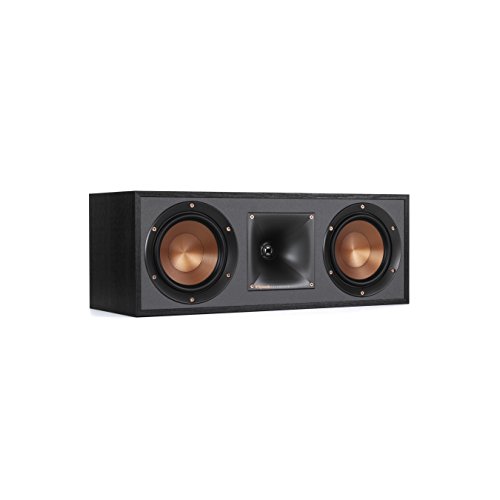
Design And Drivers: The R-52C uses dual 5.25″ spun-copper IMG woofers paired with a 1″ aluminum LTS tweeter mated to a 90×90 square Tractrix Horn, a layout focused on efficient front-firing dispersion and high sensitivity.
Frequency Response And Performance: Rated at 89Hz – 21kHz ±3dB, this speaker emphasizes midrange presence and projection for dialogue and on-screen vocals. The horn-loaded tweeter supports dynamic peaks while the dual woofers reinforce the center-channel fundamentals.
Placement And Compatibility: The cabinet size and forward-facing dispersion make the R-52C suitable for typical TV placement beneath or above the screen. It pairs well with Klipsch bookshelf or floorstanding surrounds for timbre-matched setups.
Polk Monitor XT35 Slim Center Channel Speaker – Hi-Res Audio Certified

Design And Form Factor: The Monitor XT35 is a low-profile, slim center channel designed to avoid blocking TV screens. It features a 1″ Terylene tweeter and four 3″ dynamically balanced woofers in a compact enclosure.
Compatibility And Features: Hi-Res certified and Dolby Atmos & DTS:X compatible, the XT35 supports modern AVRs and streaming sources. The 4- and 8-ohm compatibility makes it flexible for different amplification scenarios.
Use Case: Best for media rooms where space under the TV is limited and where a wide and even midrange is desired without an oversized cabinet. Wall-mountable options expand placement choices.
Klipsch RP-504C Center Channel Speaker (Ebony)

Reference-Performance RP Series: The RP-504C is part of Klipsch’s Reference Premiere line, featuring advanced drivers and a refined horn design for improved clarity and dynamic headroom.
Driver Layout And Sound: This center channel typically uses multiple mid/woofers and a high-output tweeter arrangement to deliver a broad, even soundstage with clear dialogue emphasis.
Integration: Designed for higher-end home theater systems, the RP-504C integrates well with other RP models to maintain consistent timbre and balanced immersion across front channels.
Polk Signature Elite ES35 Slim Center Channel Speaker – Stunning Black

Acoustic Array And Driver Count: The ES35 features a Dynamically Balanced Acoustic Array with a 1″ Terylene tweeter and six 3″ woofers. This cascading driver arrangement aims to create a wide and immersive center image.
Bass And Porting: Polk’s patented Power Port technology provides enhanced low-frequency extension for a center channel, allowing more impactful frontal presence without extra distortion.
Versatility: Hi-Res and Dolby-compatible design make this suited for systems that require high output and robust mid-bass response from the center channel while maintaining a slim footprint.
Yamaha Audio NS-C210BL Center Channel Speaker – Each (Black)

Two-Way Bass-Reflex Design: The NS-C210 uses a compact 2-way layout with light aluminum-cone woofers engineered for fast transient response and accurate midrange reproduction.
Intended Use: Designed to reproduce HD source material, this speaker emphasizes intelligibility and smooth tonal balance, fitting well into small to mid-sized systems and Yamaha AVRs.
Build And Integration: The cabinet and driver selection aim for neutral response to blend seamlessly with a wider range of left/right speakers, useful where tonal matching is a priority.
Buying Guide: How To Choose A Wide Center Channel Speaker
Sound Dispersion And Width: Look For Speakers With Horn-Loading Or Multiple Narrow Drivers To Achieve Wider Horizontal Dispersion. Horns And Cascaded Driver Arrays Help Project Dialogue Across A Broad Listening Area.
Driver Configuration: Dual Or Multiple Woofers With A Dedicated Tweeter Tend To Deliver Clear Midrange And Controlled Bass. Consider Driver Materials (Aluminum, IMG, Terylene) For Tonal Preference And Transient Response.
Frequency Response: A Center Channel That Extends Low Enough (Under ~100Hz) Helps With Full Midrange Presence. Check The Specified ±3dB Range But Also Consider Room Acoustics And Subwoofer Support.
Sensitivity And Power Handling: Higher Sensitivity Speakers Need Less Amplifier Power For Similar Loudness. Match The Speaker’s Sensitivity And Impedance With Your AVR Or Amplifier Ratings For Clean Performance.
Size And Placement Constraints: Slim, Low-Profile Models Work Best Under Wall-Mounted TVs; Larger Cabinets May Offer Better Low-End But Require More Space. Wall-Mounting And Angled Grilles Can Help Fit Tight Spaces.
Timbre Matching: For Cohesive Front Soundstage, Choose A Center Channel From The Same Series As Your Left/Right Speakers Or One With Similar Driver Materials And Tonal Characteristics.
Connectivity And Compatibility: Ensure 4- or 8-Ohm Compatibility Matches Your Receiver. Also Confirm Whether You Need Wall-Mounting Options Or Grilles That Support Aesthetic Integration.
Bass Support And Ports: Some Centers Feature Power Ports Or Rear Ports For Deeper Bass. If You Rely On The Center For Bass Impact, Look For Tuned Ports; Otherwise, A Subwoofer Can Handle Low Frequencies.
Room Size And Listening Distance: Larger Rooms And Further Listening Distances Benefit From Higher Output, Multiple Drivers, And Horn-Loaded Designs To Maintain Clarity Over Distance.
Performance Perspectives:
- Dialogue Intelligibility: Prioritize midrange clarity and directivity to keep speech intelligible from different seating positions.
- Soundstage Cohesion: Multiple matched drivers or horn-loaded designs help anchor the center image between left and right channels.
- Neutrality Vs. Character: Neutral speakers blend more easily with diverse systems; branded “bright” or “forward” voicings provide emphasis but can mismatch other speakers.
Final Selection Factors: Balance Physical Fit, Tonal Match With Existing Speakers, And Required Output. Use Room Measurements And Receiver Capabilities To Determine Whether A Slim Center Or Larger Multi-Driver Unit Best Suits Your Setup.