
Best Wood Box Percussion Instrument Options for Playful Practice and Performances
Looking for a wood box percussion instrument that’s easy to pick up and perform with? This guide highlights five top picks that suit beginners, educators, and seasoned players alike. Each option uses a solid wood cajon or wood block design to deliver warm bass and crisp snare-like tones. Whether you want a portable box for busking, classroom rhythm exercises, or a small stage setup, you’ll find a suitable choice here. The products below are selected for sound quality, construction, and practical versatility for different settings.
| Product | Best For | Notes |
|---|---|---|
| Meinl Percussion Cajon | Acoustic shows and jamming | European-made, Baltic birch, strong bass and snare tones |
| Timber Drum Co. Wood Block | American-made rhythm practice | Solid Tennessee hardwood, handcrafted in Nashville |
| VEVOR Cajon Box Drum (Birch) | Beginners and rehearsals | Internal snare wires, silicone feet for stability |
| MIHEY Wood Block | Kids and classroom rhythm | Solid beech wood, natural woody tones |
| Pyle Jam Cajon | Creative practice and beginners | Adjustable guitar strings, compact size |
Meinl Percussion Cajon: Made in Europe

The Meinl Cajon is designed for quick learning and straightforward rhythm creation. By tapping the front panel, players produce bass and snare-like sounds without prior experience. Best for beginners and casual players who want immediate musical results, it’s a strong choice for acoustic gigs, jam sessions, and worship teams. Made in Europe with 100% Baltic birch, it emphasizes solid construction and a more natural timbre than laminated alternatives.
Who it’s best for: new players seeking instant confidence, teachers, and acoustic performers needing a reliable, stage-ready box. Why selected: European craftsmanship and Baltic birch yield a clear, resonant voice with durable build. Caution: avoid heavy-handed tapping on the edges to preserve front panel integrity over time.
Timber Drum Co. Wood Block Instrument — Made in USA

This wood block is a Nashville-made instrument built to last. Timber Drum Co emphasizes in-house design and production, supporting American jobs while delivering a warm, organic tone from solid hardwood. It’s best for players who value craftsmanship and a natural wood sound in rhythm classes, small ensembles, or practice spaces. Selection is guided by the desire for long-lasting build and a purely wooden timbre without plastic components.
Who it’s best for: players who prefer locally made, high-quality percussion with a distinctly wood-forward voice. Why selected: solid Tennessee hardwood offers an authentic resonance that stands apart from plastic alternatives. Caution: may require periodic maintenance to keep finish and edges pristine in humid environments.
VEVOR Cajon Box Drum (Birch)

VEVOR’s cajon uses premium birch for punchy response, delivering warm bass and clear highs. The built-in internal snare wires add articulation, making it versatile across rock, funk, and hip-hop. Silicone feet provide a stable, non-slip base for varied surfaces. This model is best for beginners and intermediate players who want reliable sound with a compact footprint.
Who it’s best for: players seeking a balanced, responsive cajon with reliable construction. Why selected: clear tonal response and stable setup. Caution: ensure proper tuning and check the snare wires for tension over time to maintain consistent feel.
VEVOR Large Cajon Box Drum (Birch)
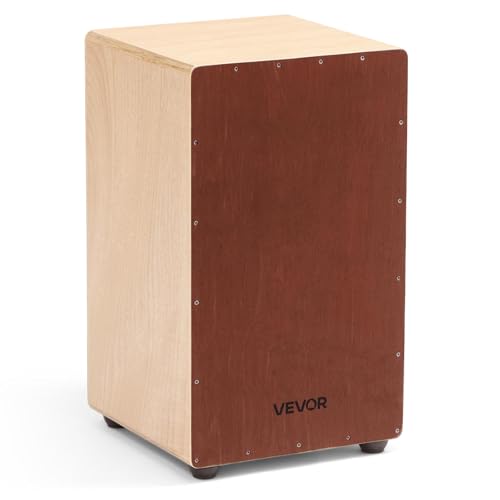
This larger model follows the same birch construction and includes internal snare wires for strong rhythmic definition. The larger body size offers more bass presence, making it suitable for performers who need a fuller low end in smaller venues or DIY setups. Best for players who want bigger tonal coverage without a heavy instrument.
Who it’s best for: practitioners needing greater bass projection in compact spaces. Why selected: consistent birch tone with stability features. Caution: heavier than smaller cajons, which may affect transport decisions for some players.
MIHEY Wood Block Musical Instrument

The MIHEY wood block is a solid beechwood instrument designed for rhythm classes and kids’ activities. Its one-piece construction yields natural, woody tones with distinct zone timbres for simple rhythm exercises. Best for classroom settings and beginners exploring sound color in percussion.
Who it’s best for: teachers and families introducing rhythm work to kids. Why selected: robust beech wood and simple tonal zones support basic percussion education. Caution: not as feature-rich as some professional cajons, so may lack snare-like articulation for advanced players.
Pyle Jam Cajon With Internal Guitar Strings

The Pyle Jam Cajon integrates internal guitar strings to broaden tonal options and add rhythmic color. It’s compact and lightweight, making it easy to transport for practice, classrooms, or casual performances. The strings are adjustable from the bottom with an included hex key, enabling players to tailor tension and tone.
Who it’s best for: beginners who want additional sound varieties and easy transport. Why selected: adjustable strings offer a flexible approach to rhythm design. Caution: string adjustments require careful tuning to avoid over-tightening, which could affect longevity.
VEVOR Cajon Box Drum With Internal Guitar Strings
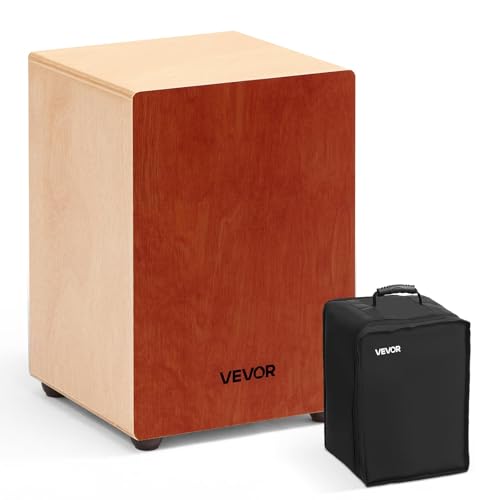
This VEVOR model adds internal guitar strings to the cajon’s already solid birch construction. The strings create a smooth bass line that blends well with percussive hits, especially in pop, jazz, or Latin styles. Silicone feet maintain stability during performance and practice sessions.
Who it’s best for: players seeking a more nuanced bass with adjustable string-induced textures. Why selected: versatile tonal control and stable play. Caution: larger footprint may be less portable for some travel needs.
Donner Cajon Box Drum Full Size

The Donner Cajon offers a full-size percussion experience with adjustable internal guitar strings for a richer rhythmic voice. It’s designed for both adults and teens, making it suitable for stage performances or home practice. A protective travel bag and padded design support easy transport and safe storage.
Who it’s best for: performers seeking a fuller acoustic bass with adjustable string tones. Why selected: strong all-around sound and practical portability. Caution: ensure proper string tension to prevent unwanted vibration or over-tone on certain surfaces.
Buying Guide: Wood Box Percussion Instruments
- Purpose and setting: Choose based on where you’ll play (studio, classroom, street performance) and the desired tone (bass-forward vs. snare articulation).
- Construction materials: Birch and beech woods tend to offer warmer tones and durability; Baltic birch can deliver consistent density for lighter laminates.
- Internal mechanisms: Models with snare wires provide more tonal variety but may require maintenance; guitar-string variants offer longer sustain and unique textures.
- Portability: Consider size, weight, and included travel bags or straps for on-the-go use.
- Tuning and maintenance: Some cajons have adjustable strings or internal components. Ensure proper tools are available and that you can maintain tension over time.
- Surface compatibility: Rubber feet or silicone bases help prevent slippage on wood, carpet, or concrete stages.
FAQ
- What is a wood box percussion instrument best used for?
They are ideal for learning rhythm, acoustic performances, classroom instruction, and small-stage gigs due to their portability and warm sound.
- Do cajons with internal snare wires sound different from solid wood blocks?
Yes. Snare wires add a sharper, more defined crack, while solid wood blocks emphasize a purer wood tone and longer sustain.
- Are adjustable strings or guitar strings common on cajons?
Several models include adjustable strings to vary tonal options. They are designed to expand the sonic palette beyond basic hits.
- Which material yields the best bass on a cajon?
Birch and other hardwoods typically produce a stronger, deeper bass compared to softer woods and laminates.
- What should I consider for travel and storage?
Look for lightweight models, protective bags, and stable feet to minimize damage during transport and setup.
- Is a larger cajon always better for stage use?
Not always. Larger cajons deliver more bass, but portability and balance with the performer’s reach matter in smaller venues.