
Best Wound Nickel Electric Guitar Strings for Versatile Tone
When choosing wound nickel electric guitar strings, players typically seek durability, bright tone, and dependable intonation. This guide highlights five top options that cater to common playing styles and skill levels, from beginners replacing a single string to prosPreferring consistent, long-lasting sets. The top picks are best for players who want clear articulation, strong midrange presence, and reliable tuning stability across genres. A quick buying table is included to help you compare key features at a glance.
| Product | Gauge/Set | Best For |
|---|---|---|
| Ernie Ball Nickel Wound Single Guitar Strings 3-Pack .018 Gauge | .018 gauge | Players needing a replacement string in a lighter gauge for easier bending |
| D’Addario XL Nickel EXL110-3D Electric Guitar Strings, 10-46, 3 Sets | 10-46 | Versatile all-around tone with reliable durability |
| Ernie Ball Regular Slinky Nickel Wound Electric Guitar Strings 3-pack, 10-46 Gauge | 10-46 | Classic, widely used gauge for many genres |
| 12-pack 22ga. (.022″) Nickel-Wound Electric Guitar Strings – Made in the USA! | .022 gauge | Custom or hybrid sets, heavier feel for rhythm or tuning stability |
| D’Addario NYXL Nickel Plated, NYXL1046 | 10-46 | Longer-lasting, strong tuning stability and brighter mid-range |
Ernie Ball Nickel Wound Single String .018 Gauge
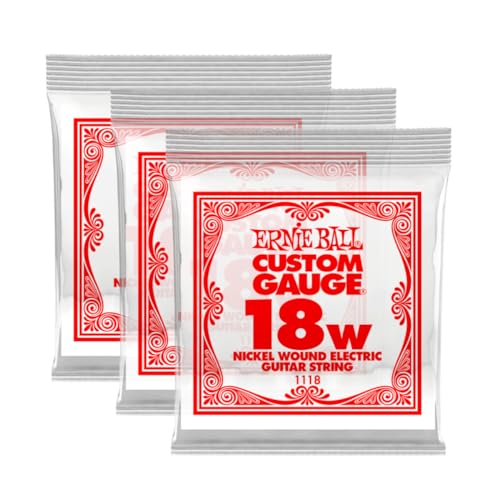
The Ernie Ball Nickel Wound Single .018 string is a precise option for players who want a light gauge replacement. Best for players who prefer easier bending and a less taut feel, particularly on younger guitars or setups tuned to standard pitch. The string’s nickel-wound construction delivers a bright, balanced tone with clear articulation. A potential limitation is that very light gauges can break more easily under aggressive playing or extended tremolo use.
D’Addario XL Nickel EXL110-3D Electric Strings
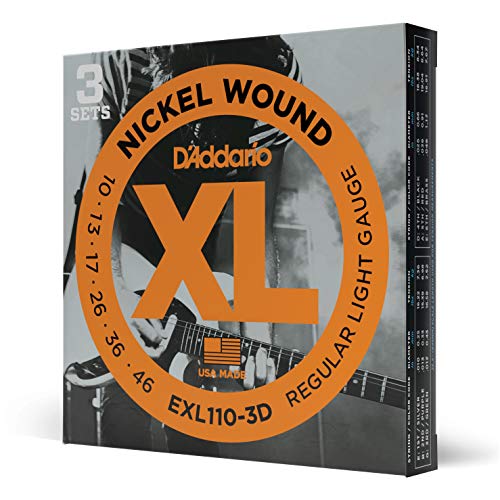
These XL Nickel EXL110-3D sets are a top choice for players seeking reliable intonation and a versatile bright tone across genres. The set uses a Hex-Core construction designed to keep strings in tune while offering consistent response and durability. Choose this option if you want a proven, widely compatible option that performs well in rock, blues, and pop contexts. A limitation is that uncoated strings may need more frequent changing in humid environments or heavy playing.
Ernie Ball Regular Slinky Nickel Wound 3-Pack

Regular Slinky 10-46 gauge has become an industry standard for many players, offering a balanced feel and versatile tonality. This set is favored by legends and is a strong all-purpose option for rock, blues, and jazz-influenced styles. A caveat is that players who prefer heavier rhythm tones may opt for thicker gauges for more rigidity and sustain.
12-Pack 22ga Nickel-Wound Electric Guitar Strings

These .022 gauge nickel-wound strings are well-suited for players creating custom sets or needing a heavier approach without changing tone significantly. They are made in the USA, which can be important for buyers prioritizing domestic manufacturing. Best for those seeking a heavier string feel or building a personalized hybrid configuration. A limitation is that they are heavier than typical 10-46 sets and may require bridge and nut adjustments for clairvoyant intonation.
Ernie Ball Regular Slinky 10-46

Ernie Ball Regular Slinky in 10-46 gauge is a top seller for a reason. It offers bright tone, reliable intonation, and broad compatibility with a wide range of styles. This option is best for players seeking a classic feel with widespread usage among professionals. A limitation is that the lighter, easier-playing variants may not satisfy players seeking a heavier rhythm or more aggressive tone.
Ernie Ball Super Slinky 9-42

Super Slinky 9-42 is a classic option for players who want a lighter feel with more agility. It remains a staple for decades and suits players who bend easily and crave a bright, present midrange. For those needing a fuller rhythm tone, consider moving up to 10-46 or 11-48 gauges.
D’Addario NYXL 10-46

NYXL 10-46 are premium nickel-plated strings designed for enhanced durability and tuning stability. They deliver a strong mid-range with a brighter overall presence and are engineered to resist detuning better than many rivals. Best for players who play aggressively or rely on precise intonation across a long set. A potential downside is that they are not coated, so longevity depends on playing style and environment.
Buying Guide
What should you consider when selecting wound nickel strings?
- Gauges: Lighter gauges (like .018) are easier to play but may break more easily; mid gauges (10-46) balance feel and tone; heavier gauges (.022, heavier) offer more rigidity and tone definition.
- Core construction: Hex-core and other core designs influence intonation stability and tuning.
- Tone target: Nickel winding produces bright mids with good articulation; consider your pickup type (single-coil vs humbucker) and genre when choosing.
- Durability: Some brands emphasize longevity or their protective packaging; others prioritize a bright initial tone with quicker wear.
- Maintenance: Uncoated strings may require more frequent replacement in humid or sweaty playing conditions.
FAQ
- What gauge should I start with if I’m a beginner? – A 10-46 set is a common starting point for beginners due to a balance of playability and tone.
- Do nickel-wound strings last longer than phosphor bronze? – Nickel-wound electric strings are designed for electric guitars and offer strong durability and a bright tone, but lots of players will replace them based on playing style rather than a strict durability difference.
- Are NYXL strings worth the extra cost? – NYXL strings offer improved tuning stability and mid-range presence, which benefits players seeking reliability and a stronger bite in their tone.
- Should I use a single string or a full set? – Replacing one string is common for a quick repair; however, a full set ensures balanced tension, intonation, and tone across the neck.
- Can I mix gauges in a single guitar string set? – Yes, many players customize sets for feel and tone, but consider intonation changes and tension differences when mixing gauges.
- How often should I change strings? – It depends on playing style, environment, and guitar setup; gigging players may change daily, while casual players may do so every few weeks.