Best XLR Interfaces for Streaming and Content Creation
Answering the question: the best XLR interfaces for streaming combine solid mic preamps, low latency, and easy setup for creators. This guide highlights five options suited for streamers, podcasters, and musicians who want reliable, studio-grade sound without complexity. Each pick targets different needs—budget-friendly USB audio for beginners, compact setups for on-the-go creators, or feature-rich units with DSP and multi-channel control. The table below compares key details to help you choose the right model for your setup.
- Focusrite Scarlett Solo 4th Gen — Best overall for single-m mic setups and guitarists.
- Elgato Wave XLR MK.2 — Best for integrated DSP and streamer-friendly workflow.
- Focusrite Scarlett 2i2 4th Gen — Best for two-mic or instrument setups and mid-range needs.
- M-AUDIO M-Track Duo — Best value for dual inputs and portable recording.
- FIFINE SC3 / SC8 (Gaming Mixers with XLR) — Best for all-in-one streaming setups with mixer control.
Product Comparisons
| Product | Best For | Key Strength | Notes |
|---|---|---|---|
| Focusrite Scarlett Solo 4th Gen | Voice and guitar streaming | Studio-grade 120dB dynamic range, Air mode | USB-C interface with high headroom; ideal for single-mic setups |
| Elgato Wave XLR MK.2 | Streamer-centric mic with DSP effects | 80dB gain, onboard effects, low-latency monitoring | Best for on-stream voice clarity and integrated processing |
| Focusrite Scarlett 2i2 4th Gen | Two-mic or instrument setups | 120dB dynamic range, Auto Gain | Flexible for podcasts and small bands; strong resale/compatibility |
| M-AUDIO M-Track Duo | Dual-input portable recording | 48kHz resolution, dual XLR/Line inputs | Cost-effective for quick setups and on-the-go recording |
| FIFINE SC3 / SC8 | All-in-one mixer-style streaming | Multiple channels, phantom power, ambient mixing | Good for multi-mic/cwerious game-stream workflows |
Focusrite Scarlett Solo 4th Gen USB Audio Interface

The Scarlett Solo 4th Gen provides a single mic preamp and a high-headroom instrument input, making it ideal for solo streamers who record vocals or guitar. It uses the same high-quality converters as Focusrite’s top interfaces, delivering studio-grade sound with a dynamic range around 120dB. The Air mode enhances vocal presence and guitar brightness, helping your voice cut through on live streams. Best for solo creators who want simple setup and professional tone. Caution: Limited to one mic channel, which may not fit multi-speaker setups.
FIFINE Gaming Audio Mixer SC3

The FIFINE SC3 is a compact mixer-style interface suitable for streamers who want multiple inputs and built-in 48V phantom power. It provides four independent channels with individual control, plus mute and monitor options. It’s best for multi-mic setups or narration with game audio. Choose this if you need more control without adding external mixers. Caution: Some users report limited USB mic compatibility; not ideal for all USB mics.
Elgato Wave XLR MK.2

The Elgato Wave XLR MK.2 combines a strong 80dB mic gain with onboard DSP effects, including voice enhancement, compression, and EQ. Its ultra-low-latency monitoring keeps you aligned with your audience, and the DSP mixer streamlines processing for streaming workflows. Best for creators who want integrated voice processing and quick setup. Limitation: DSP features are most useful when used with compatible software and workflows.
Focusrite Scarlett Solo 3rd Gen

The Scarlett Solo 3rd Gen offers pro mic pre-amps and an Air mode for brighter acoustic recordings. It includes two instrument inputs for guitar or bass and Gain Halos for clear monitoring. Best for guitarists and vocalists who need a straightforward, high-quality single-user interface with reliable recording quality. Caution: Lacks some newer Gen 4 features like Auto Gain and Clip Safe; may require manual gain adjustments in fast-changing sessions.
Focusrite Scarlett 2i2 4th Gen
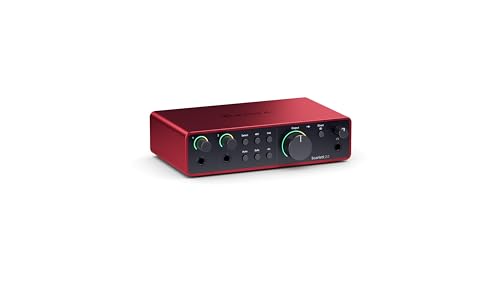
The Scarlett 2i2 4th Gen expands to two mic inputs with the same 120dB dynamic range and Air mode, making it suitable for small-duo podcasts or streaming with two voices. It includes Auto Gain and Clip Safe protections to help you avoid distortion during live sessions. Best for duet streams or two-person podcasts. Limitation: Two inputs may be overkill for solo streamers who only need one mic.
Buying Guide: Key Purchase Considerations
What should you consider when picking an XLR interface for streaming?
- Input count: Do you need one mic or two? Choose Solo for solo work, 2i2 for duo setups.
- Phantom power: If you use condenser mics, ensure 48V phantom power is available.
- Latency: Look for low-latency monitoring to hear yourself in real time.
- Direct monitoring vs. DSP: Some models offer onboard processing—consider if you want voice effects or EQ baked in.
- Software bundle: Some interfaces come with a suite of recording software; consider value if you’re starting out.
- Portability: For on-the-go creators, compact USB-C interfaces are ideal.
- Compatibility: Ensure the interface works with your computer, OS, and preferred DAW.
FAQ
- Do I need an XLR interface for streaming if I already have a USB mic? A dedicated XLR interface improves preamp quality and input control but is not mandatory if you only use a USB mic. If you plan to use professional vocal mics or instrument inputs, an XLR interface is advantageous.
- Is DSP processing necessary for streaming? Not strictly necessary, but onboard DSP can simplify setups by applying compression, EQ, or noise reduction in real time, reducing post-production needs.
- What is the benefit of Auto Gain? Auto Gain automatically sets a good input level, helping prevent clipping and ensuring consistent loudness during dynamic performances.
- Can I use two mics at once for a podcast? Yes, interfaces like the Scarlett 2i2 4th Gen support two XLR/mic inputs, enabling two-person recordings or duets.
- Are USB-C interfaces future-proof? USB-C offers broad compatibility and power delivery benefits, making USB-C interfaces a convenient long-term choice for new setups.