Best Semi-Hollow Guitar Bodies for Versatile Tone and Playability
If you’re exploring semi-hollow guitar bodies, you want options that balance warm resonance with solid playability. This guide highlights five suitable models and a DIY kit that fit a range of playing styles—from jazz to blues and classic rock. The top picks are chosen for tone, build quality, and practical considerations like neck feel and body construction. The buyers most likely to benefit are guitarists seeking a lighter, more resonant instrument that avoids the boxy feel of solid bodies.
| Product | Best For | Key Benefit |
|---|---|---|
| Grote Full Scale Electric Guitar Semi-Hollow Body (Vintage Sunburst) | All-around players, vintage tones | Semi-hollow Canadian Maple body with 24.75″ scale |
| Grote Full Scale Electric Guitar Semi-Hollow Body (Natural) | Stage players, versatile tones | Same scale and tone principles, natural finish |
| Grote Full Scale Electric Guitar Semi-Hollow Body (Red) | Artists seeking warm, midrange punch | Red gloss finish on semi-hollow basswood |
| DBL DIY Electric Guitar Kit, Semi-Hollow Body | Luthiers and hobbyists | Fully customizable body with no pre-drilled holes |
| WUQIMUSC Semi-Hollow Guitar Body Replacement – Mahogany | Custom builds, refinishing projects | Solid mahogany with flame maple veneer, unfinished |
Grote Full Scale Semi-Hollow Natural Finish

The Natural finish Grote semi-hollow guitar uses a 24.75-inch scale and a Canadian Maple body for warm sustain and versatile tone shaping. This model is suited for players who want a balanced blend of warmth and articulate upper-range notes. Best for players who enjoy clean jazz tones with the option to push into blues rock without becoming overly bright. A small caveat is the consistent chapter of hardware fitment that may require setup for optimal intonation on some necks.
Grote Full Scale Semi-Hollow Sunburst

Sunburst finishes often emphasize vintage vibes, and this Grote model is no exception. Its semi-hollow construction and 24.75″ scale help produce a resonant yet controllable voice across clean and mildly overdriven palettes. Best for players who want a classic look with modern playability. Limitations include potential feedback at high gain on some amp setups, which can be mitigated with selective pickup height and tone knob adjustments.
Grote Red Semi-Hollow Guitar
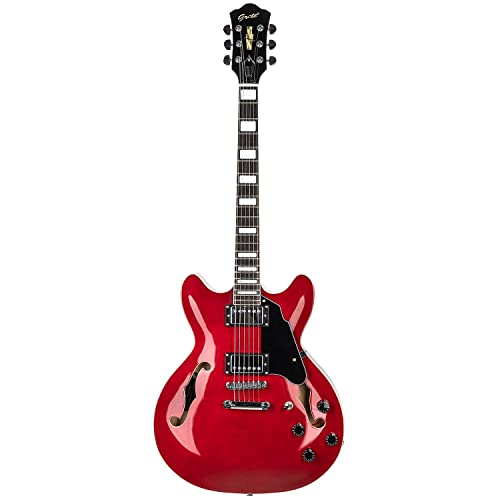
The Red variant uses a basswood body to deliver a warm, midrange-forward tone with a bright top end. It’s a strong choice for players who want a visually striking instrument that still behaves like a traditional semi-hollow when driven. Caution: the lighter wood may be more prone to minor body flex under aggressive picking, which can be managed with a solid neck joint and proper bridge setup.
DBL DIY Semi-Hollow Guitar Kit

This DIY kit provides a complete semi-hollow body for hobbyists and builders who want to customize. It includes pre-fitted components but requires basic tools and finishing supplies to complete. Best for creative players who want full control over tone, finish, and electronics. Limitation: assembly requires time and some technical know-how to achieve a professional result.
WUQIMUSC Mahogany Semi-Hollow Body

Mahogany with a flame maple veneer creates a warm, resonant foundation for semi-hollow tones. Unfinished surfaces invite custom staining or painting to match a preferred aesthetic. This body is ideal for builders seeking a traditional, vintage-inspired look with room for personal refinements. Limitation: no pre-drilled holes, which requires precise alignment during neck and hardware installation.
Buying Guide: Key Considerations For Semi-Hollow Bodies
What determines the right semi-hollow body for you? Material and construction impact tone, sustain, and weight. Maple necks and maple/mahogany bodies influence brightness and midrange presence. Finish and veneer choices affect perceived tone and aesthetics. Consider the following questions when choosing:
- What tone do you want—bright with lots of top end, or warm and fat with sustain?
- How important is weight and balance for long playing sessions?
- Is a pre-drilled neck and bridge setup necessary, or do you prefer a DIY approach?
- Do you play at home, studio, or live venues, and how does that affect feedback concerns?
- What style versatility do you need—jazz, blues, or rock?
Material and construction impact decision-making. Maple necks tend to feel bright and lively; mahogany bodies provide warmth and sustain. Semi-hollow designs reduce weight and add resonance, but can introduce feedback at high gain. Hardware setup, including truss rod covers and tailpieces, influences stability and intonation. For DIY projects, a no-pre-drilled-hole body like the WUQIMUSC model offers maximum customization but requires precise planning and tools.
When To Choose Each Type
- Vintage-style seekers: Opt for sunburst or traditional maple veneers that emphasize classic resonance and aesthetics.
- Stage performers: Look for reliable neck profiles and balanced weight that tolerate long shows.
- DIY enthusiasts: The DBL kit is ideal for hands-on customization and learning the assembly process.
- Build-focused players: The WUQIMUSC unfinished mahogany body is perfect for personal finishes and tone shaping from scratch.
Maintenance And Setup Tips
- Regularly check neck relief and truss rod adjustments to maintain comfortable action.
- Set bridge saddles and nut slots to avoid intonation drift.
- Sealing unfinished bodies to protect wood and ensure consistent tone.
- Experiment with pickups and tone knobs to tailor your voice for different styles.
FAQ
- What makes a semi-hollow body different from a solid body? – Semi-hollow bodies have cavities that resonate, producing warmer tones and lighter weight, with potential for feedback at high gain.
- Are these models suitable for jazz? – Yes, many are designed to deliver warm, articulate jazz tones while still offering versatility for other genres.
- Is a DIY kit difficult to assemble? – Some basic tools and skills are needed; follow included instructions and take time for setup.
- Can I replace parts later? – Yes, most components are replaceable, though fitment depends on the initial build.
- Which finish is best for tone? – Finishes do not drastically alter fundamental tone, but maple veneers and body materials influence perceived brightness and resonance.
- Do all semi-hollow bodies require special amplification to avoid feedback? – Not necessarily; proper pickup selection and volume control typically manage feedback for most playing styles.