Best Ukulele Strings for Every Player: Titanium, Nylgut, and Fluorocarbon Options
Answering the question “which strings should I buy for my ukulele?” this guide highlights well-rounded options for different ukulele types and tunings. It covers popular choices for soprano, concert, tenor, and baritone models, focusing on tone, projection, longevity, and playability. Whether you’re a beginner seeking ease of play, or a pro chasing brighter articulation, these selections help you find the right fit. The top picks emphasize tone consistency, durability, and whether to choose titanium, Nylgut, or fluorocarbon materials based on your instrument.
Below is a quick summary table of five recommended strings, tailored to common ukulele sizes and tunings. Use this as a quick reference when comparing tone, tension, and tuning preferences.
| Product | ||||
|---|---|---|---|---|
| D’Addario Baritone Ukulele Strings, Titanium EJ87B | Titanium/Nylon wound | Baritone | DGBE | Bright, projecting baritone tone |
| D’Addario Tenor Ukulele Strings, Fluorocarbon EJ99TLG | Fluorocarbon | Tenor | Low G | Even intonation with a bright modern tone |
| Aquila New Nylgut Ukulele Strings | Nylgut | Soprano | Regular C tuning (G C E A) | Classic, smooth feel with traditional timbre |
| D’Addario Soprano Ukulele Strings, Titanium EJ87S | Titanium | Soprano | GCEA | Bright, projecting soprano tone |
| Aquila 7U Concert Ukulele Strings | Nylgut | Concert | Regular G C E A | Balanced concert tone with smooth feel |
D’Addario Baritone Ukulele Strings EJ87B – Titanium
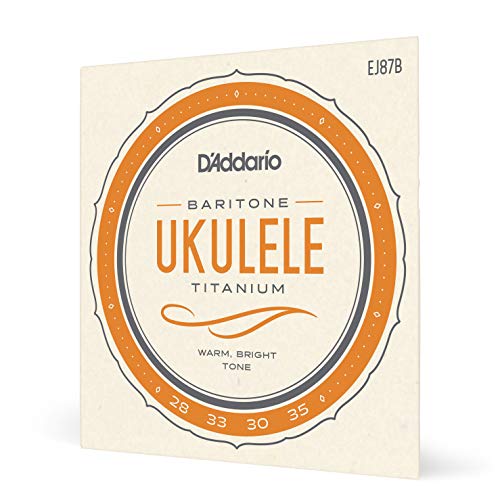
Best for: Baritone players seeking a bright, projecting tone with strong dynamic range. These strings pair titanium 1st and 2nd strings with silver-plated copper winding on the lower strings to maximize volume on standard DGBE tuning. Caution: titanium core strings can feel slightly stiffer for beginners adjusting to tension.
D’Addario Tenor Ukulele Strings EJ99TLG – Fluorocarbon
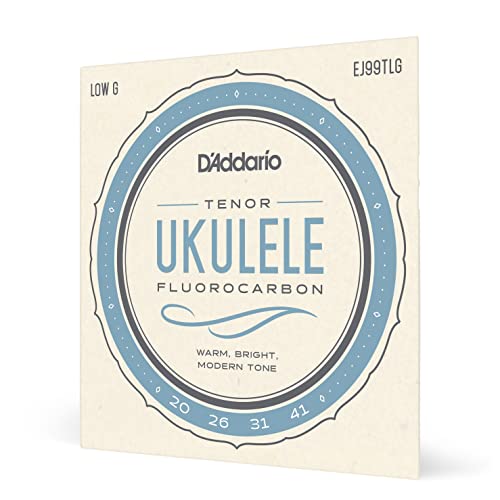
Best for: Tenor players using Low G tuning who want precise intonation and a bright, modern tone. Fluorocarbon provides smooth playing feel and strong projection. Caution: Low-G setup may require a readjustment of string tension for some players new to Low G.)
Aquila New Nylgut Ukulele Strings
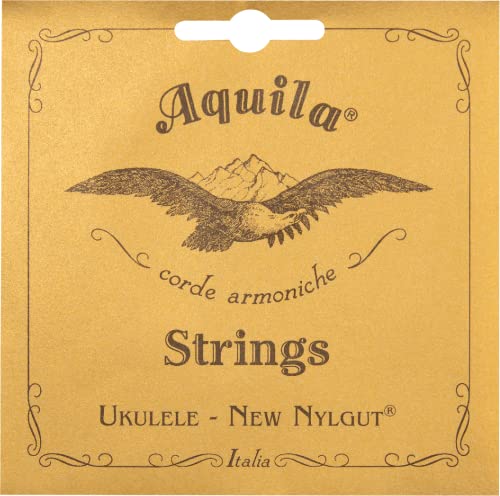
Best for: Soprano players seeking a traditional feel and a smooth surface with Regular C tuning (G C E A). Nylgut offers a balance between nylon-like warmth and gut-like projection. Caution: Some players may prefer brighter materials for jazzier tones.
D’Addario Soprano Ukulele Strings EJ87S – Titanium
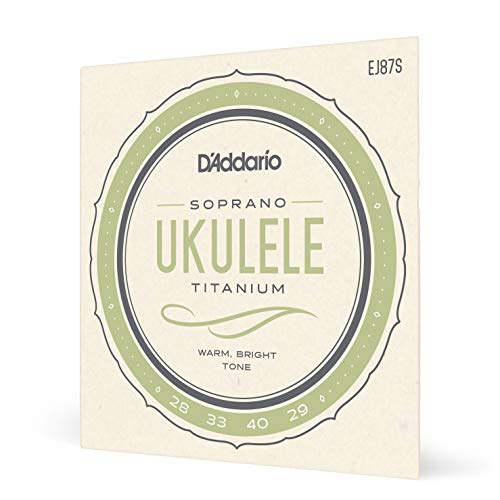
Best for: Soprano players wanting a bright, projecting tone with a smooth feel similar to nylon. Titanium construction yields a modern, clear timbre with good sustain. Caution: The feel differs from conventional nylon sets, which may take time to adjust.
Aquila 7U Concert Ukulele Strings Set
Best for: Concert-sized ukuleles seeking a balanced, warm tone with comfortable playability. Nylgut strings are designed to resemble classic gut characteristics with improved stability. Caution: May require initial tuning stability checks after installation.
Buying Guide
What material should I choose?
Choose titanium for brightness and strong projection, fluorocarbon for precise intonation and bright modern tone, or Nylgut for a traditional, smoother feel with classic timbre. Consider your playing style, genre, and instrument size when selecting material.
Which size should I match with?
Baritone ukuleles typically benefit from brighter, more projecting strings (often titanium or baritone-specific sets). Soprano and concert players may prefer a smoother or warmer feel (Nylgut or fluorocarbon sets) to complement smaller bodies and higher voices.
How important is tension and feel?
String tension affects playability and intonation. Titanium and fluorocarbon sets tend to offer sharper attack and higher projection, while Nylgut can feel softer under the fingers. Beginners may prefer strings with slightly lower tension for easier fretting.
What about tuning stability and longevity?
Fluorocarbon strings often provide excellent intonation stability and durability. Nylgut strings are designed for long-lasting playability with a traditional timbre. For long life, avoid exposures to extreme heat or humidity and wipe strings after playing to extend life.
How should I install and maintain strings?
Proper winding around the bridge and tuning posts is essential. After installing, tune up gradually in small steps to avoid slippage. Wipe strings clean after playing to reduce oils and extend life. Change all strings together for even tone progression.
FAQ
- Q: What is the difference between soprano and baritone string tones? A: Baritone strings tend to produce a brighter, louder projection with deeper DGBE tuning, while soprano strings emphasize higher frequencies and a lighter, more delicate voice.
- Q: Should I choose Low-G or re-entrant tuning for tenor? A: Low-G offers expanded range and richer bass response, but may require a setup check for intonation and tension differences.
- Q: Are fluorocarbon strings more durable than nylon? A: Yes, fluorocarbon generally offers greater stability and smoother playing feel with bright tone, though some players prefer nylon for soft warmth.
- Q: Do strings require a break-in period? A: Some sets may feel slightly different after a few days of playing as the winding and core settle into tension.
- Q: Which brand is best for beginners? A: Many brands offer beginner-friendly sets with lower tension for easy fretting; look for sets described as easy playability.