Best Hi-Fi Computer Speakers for Rich Desktop Audio
Finding the right pair of hi-fi computer speakers depends on your space, usage, and preferred sound profile. This guide highlights five top picks that balance clear highs, punchy bass, and easy connectivity for desks, dorms, and home offices. Ideal buyers include music lovers seeking studio-like detail, gamers needing immersive sound, and professionals who want reliable, compact desktop speakers. Below, you’ll find concise comparisons, why each product was chosen, and practical buying tips to help you choose confidently.
Quick overview of the top five picks:
- Nylavee Computer Speakers – best for all-around desk setups with Bluetooth and USB-C power.
- OHAYO 60W Desktop Speakers – best for larger desks needing robust, distortion-free sound.
- Bluedee Computer Speakers – best for wireless flexibility and rechargeable operation.
- Edifier M60 – best for compact yet powerful 66W RMS with hi-res playback.
- Edifier R1280T – best for entry-level near-field listening with simple controls.
Nylavee Computer Speakers With Bluetooth And USB-C

Nylavee’s compact sound bar uses four speaker units and two independent bass diaphragms for clear highs and strong bass. The design emphasizes a loud, balanced output in a small footprint, making it ideal for windowed desks or limited spaces. Power options include Bluetooth 5.0 and 3.5mm AUX, plus USB/USB-C for desktop setups. Best for: users who want a versatile, plug-and-play speaker bar that works with laptops, desktops, consoles, and monitors.
Limitation: While versatile, the lone bar may not deliver the deepest bass for adrenalin-heavy gaming compared with larger setups. Consider adding a subwoofer if you crave ultra-low frequencies.
OHAYO 60W Computer Speakers For Music And Gaming

OHAYO offers a compact 60W system with two 2.0 stereo drivers and a rear bass port for deeper low-end. Its carbon fiber tweeter and mid-range driver aim to deliver crystal highs and punchy mids suitable for gaming and music. An integrated sound card supports smooth, detailed playback, while the front-volume control keeps adjustments quick during sessions. Best for: desktop users who want a robust, gaming-friendly sound with simple controls in a space-conscious footprint.
Limitation: Smaller bookshelf form means the bass may not rival larger 2.1 systems; consider positioning away from walls to maximize bass response.
Bluedee Computer Speakers – Rechargeable Hi-Fi Bar
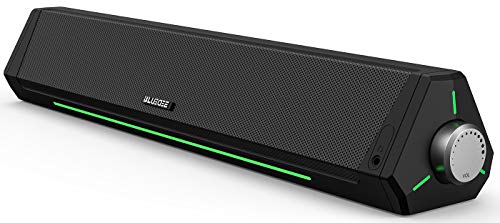
Bluedee’s slim sound bar emphasizes wireless flexibility with Bluetooth 5.3, USB-C, and a built-in rechargeable battery offering up to 13 hours of playback. Dual full-range drivers plus a tweeter deliver balanced highs and clear vocals, with a TF card/USB playback option for standalone use. Best for: users who want a clean, cable-light setup that can move between rooms without sacrificing sound quality.
Limitation: Battery-powered operation may introduce slight volume variability on low-battery, and Bluetooth range can be device-dependent.
Edifier M60 Multimedia Speaker System

Edifier M60 is a compact 66W RMS system with a dedicated woofer, 3″ mid-bass drivers, and a silk-dome tweeter. It features Hi-Res capable sound processing and a built-in Class-D amplifier for efficient performance. The design emphasizes a strong mid-bass presence and clean highs, suitable for multimedia and light music production. Best for: users who want a balanced desktop system with clear detail and easy integration with USB-C and AUX inputs.
Limitation: The enclosure remains compact, so very deep bass might be less pronounced than larger floor-standing speakers.
Edifier R1280T Powered Bookshelf Speakers
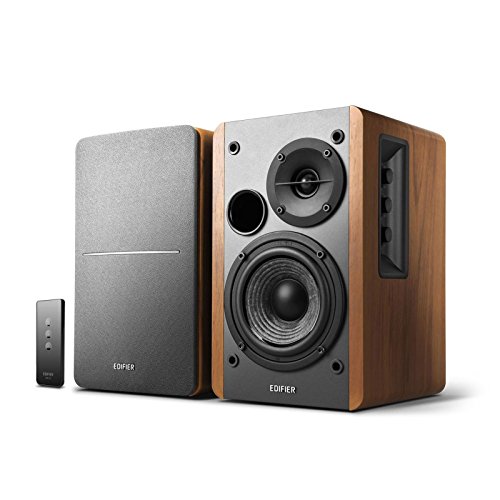
Edifier R1280T is a classic 2.0 bookshelf system with two AUX inputs for simultaneous connections to two devices. It emphasizes natural sound reproduction via a 13mm silk-dome tweeter and a 4″ full-range woofer. Remote control and side-mounted bass/treble controls provide everyday flexibility. Best for: entry-level listeners who want a straightforward, reliable desktop setup with adjustable tone controls.
Limitation: Lacks Bluetooth connectivity in base models; check the specific variant if wireless streaming is a priority.
Buying Guide: Key Considerations For Choosing Hi-Fi Computer Speakers
- Sound signature: Do you prefer brighter highs, tight bass, or a balanced mix? Driver size and enclosure type influence the overall tone.
- Connectivity: Do you need Bluetooth, USB-C, AUX, or multiple inputs? Consider a model with both wireless and wired options for flexibility.
- Desk space: Are you working with a compact setup or a larger desk? Slim sound bars or bookshelf units suit different layouts.
- Power and power handling: Higher wattage typically yields higher volume and dynamic headroom; pair with room size and listening distance.
- Usage scenario: Gaming, music production, or general multimedia? Some models include DSP modes or built-in sound cards for improved playback.
- Build and safety: Look for non-toxic materials, stable stands, and minimal resonance to avoid desk vibrations.
- Future compatibility: If you upgrade monitors or PCs, ensure the speakers can connect via common interfaces like 3.5mm, USB-C, or BT 5.x.
Frequently Asked Questions
- What is the best hi-fi computer speaker for gaming?
– Choose models with strong bass, clear mids, and low latency. Look for rear bass ports and ample power, such as 60W+ setups, and check for DSP modes that optimize game audio. - Are Bluetooth speakers good for desktop use?
– Bluetooth adds wireless convenience but can introduce slight audio latency. For critical listening, wired connections (AUX or USB-C) are often more reliable. - Do I need a subwoofer with computer speakers?
– Subwoofers deepen bass, especially for gaming or home theater. Many two-way systems sound excellent on desktops, but a sub is beneficial for room-filling low end. - Can small speakers substitute for studio monitors?
– Small speakers can handle general listening, but true near-field studio monitors are designed for flat frequency response and minimal coloration. For production work, consider dedicated studio monitors. - Which is better: bookshelf or soundbar for a desk?
– Soundbars save space and reduce clutter, while bookshelf speakers provide broader soundstage and upgrade potential when paired with a subwoofer. - How important is DAC in computer speakers?
– A built-in DAC improves digital-to-analog conversion, resulting in cleaner sound. Look for models that mention Hi-Res audio or a dedicated sound card.