Best 4 Ohm Guitar Cab Options for Stage and Studio Sound
If you’re seeking a 4 ohm guitar cab, you want models that balance power handling, tone, and reliability for practice rooms and live gigs. This guide highlights five solid choices, with clarity on who benefits most from each design. The top picks emphasize clear mids, strong bottom, and efficient impedance matching for compatible amps and cabinets.
Quick comparisons:
- Celestion Eight 15 4 Ohm — Best for compact bedroom rigs seeking authentic British tone.
- 5 CORE WF 15 4OHM — Best for versatile gig setups needing warm lows and defined mids.
- Gallien-Krueger NEO IV 4×10 — Best for high-output bass-friendly setups; included for 4-ohm reference in large-cab builds.
- Markbass MB58R 104 P — Best for compact, loud 4×10 sound with efficient performance.
| Product | Impedance | Type | Best For |
|---|---|---|---|
| Celestion Eight 15 4 Ohm | 4 Ω | 8″ guitar speaker | Bedroom to small-stage guitar tones |
| 5 CORE WF 15 4OHM | 4 Ω | 15″ guitar speaker | Live gigs needing strong lows and warm mids |
| Gallien-Krueger NEO IV 4×10 | 4 Ω | 4×10 bass cabinet | High-output, bass-friendly guitar setups |
| Markbass MB58R 104 P | 4 Ω | 4×10 bass cabinet | Heavy 4×10 tone for loud genres |
Celestion Eight 15 4 Ohm Guitar Speaker (T5903)
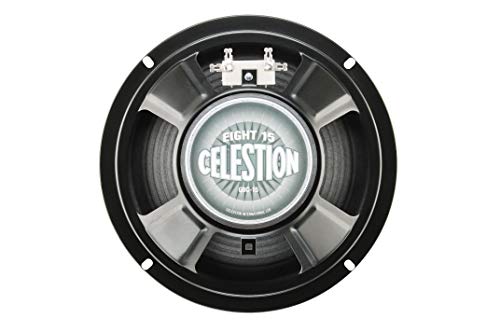
The Eight 15 is an 8″ speaker with a nominal impedance of 4 Ω and a 20W RMS power rating. It delivers balanced mids and highs with a surprisingly meaty low end for its size. Best for: players seeking authentic British tone in compact rigs, especially for bedroom to small-stage setups. The 1″ voice coil and ceramic magnet provide solid dynamics, but the 20W rating means it’s best paired with modest-powered amps or as part of a multi-speaker cabinet in larger rigs. Caution: not ideal for very high-output live applications where maximum SPL is required.
5 CORE WF 15 Inch Guitar Speaker 220W RMS 4 Ohm
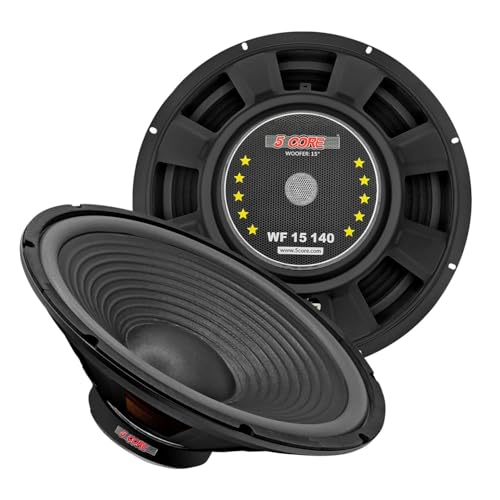
This 15″ speaker handles 220W RMS and 450W peak, offering a wide frequency response from 40Hz to 3kHz. With a 4 Ω impedance, it’s well-suited for robust amplifier setups that require strong, defined lows and articulate mids. Best for: players needing loud, clear guitar tones at larger venues or rehearsal spaces. Limitation: higher power handling means heavier cabinets and potentially more stage volume to manage.
Gallien-Krueger NEO IV 4×10 Bass Cabinet

Although labeled as a bass cabinet, the NEO IV 4×10 is a high-output option with front-ported design that benefits 4 Ω setups in dense, stage environments. Best for: guitar players who run aggressive, bass-leaning tones or who already use GK heads and want a high-SPL, durable cabinet. Caution: designed primarily with bass frequencies in mind; treble response may require careful crossover or amp voice settings for guitar use.
Markbass MB58R 104 P – 4 x 10″ Cabinet

The MB58R 104 P provides four 10″ drivers in a rear-ported enclosure, rated at 600W and 4 Ω. This configuration emphasizes punchy, even bass response with solid projection for larger stages. Best for: players who want a robust, clear bottom end, especially for genres emphasizing power chords and aggressive tones. Limitation: the size and weight may be challenging for lighter setups or solo practice rooms.
Buying Guide: 4 Ohm Guitar Cab Essentials
What matters most when choosing a 4 Ω guitar cabinet?
- Power handling vs. amp output: Match the cabinet’s RMS rating with your head’s output for headroom without distortion.
- Speaker size and cabinet volume: Smaller speakers (8″) yield lighter weight and tighter midrange; larger woofers (12″–15″) deliver deeper lows at the cost of size.
- Impedance compatibility: 4 Ω loads extract more power from many heads but ensure your amp can safely drive 4 Ω cabinets.
- Application context: Bedroom practice, studio recording, or live gigs require different SPL and tonal characteristics.
- cabinet configuration: single 8″ vs. 4×10″ or 1×15″ configurations affect dispersion, midrange presence, and stage presence.
Practical Buying Considerations
- Size and weight: If you travel often, lighter cabinets with efficient drivers are preferable.
- Tone goals: Do you prefer tight lows, warm mids, or aggressive highs? Speaker size influences this balance.
- Durability: Front-ported designs and metal grilles offer sturdiness for road use.
- Compatibility: Ensure your amplifier head’s impedance and power align with cabinet specifications.
FAQ
- Q: Can I use a 4 Ω cabinet with a 8 Ω amp head? A: Check your amp’s impedance switch or manual; in most cases, 4 Ω cabinets can be used with higher‑impedance heads but may not deliver full power.
- Q: Is a 4×10 cabinet louder than an 8″ speaker? A: Yes, a 4×10 typically delivers more SPL and deeper bass, but it’s heavier and less portable.
- Q: Are bass cabinets suitable for guitar use? A: Some bass cabinets can work with guitar heads, but tonal results vary; check intended frequency response and cabinet design.
- Q: Which cabinet is best for bedroom practice? A: The Celestion Eight 15 4 Ohm is compact and suitable for smaller spaces with authentic tone.
- Q: Should I choose 15″ or 10″ speakers for live gigs? A: 15″ speakers offer deeper lows for certain genres; 10″ and 8″ options provide tighter midrange and faster response for others.