
Best 10 Hole Diatonic Harmonica in Key of C for Every Player
If you’re searching for the best 10-hole diatonic harmonica in the key of C, you’ve found several strong options that suit beginners, hobbyists, and seasoned players alike. This guide highlights five top picks, explains who they’re best for, and explains why they stand out. Each product is well-suited for blues, folk, rock, country, and jazz styles, with clear notes, comfortable playability, and durable construction. Use the buying guide to compare features and determine which harmonica best fits your skill level and musical goals.
| Product | Key | Best For |
|---|---|---|
| East Top Harmonica 10 Holes 008K | C | Beginners and pros wanting precise tone |
| Fender Blues Deluxe Harmonica | C | All-level players needing a reliable blues harmonica |
| EastRock 10 Hole Blues Harmonica C | C | Beginners focusing on ease of blowing and learning |
| Hohner Special 20 Harmonica | C | Professionals and learners seeking comfort and tuning |
| Lee Oskar Harmonica Key of C | C | All-level players prioritizing airtight design |
East Top Harmonica Key Of C, 10 Holes 008K

Best for adults who want a professional-grade 10-hole harmonica with a rich, responsive sound. This model uses a precision-made plastic comb and phosphor bronze reeds, delivering accurate pitch and strong timbre. The 1.2mm reed plate supports higher notes with ease. The electroplated reed plate improves hole alignment and reed gaps for consistent performance. Pocket-sized and portable, it’s ideal for parties, school, or travel. Best suited for blues, folk, rock, country, and jazz players who value airtightness and comfort.
Who it’s for: professionals seeking a robust C-key harmonica and beginners testing out advanced techniques. Caution: some players may prefer a lighter reed tension for very soft dynamics.
Fender Blues Deluxe Harmonica, Key of C
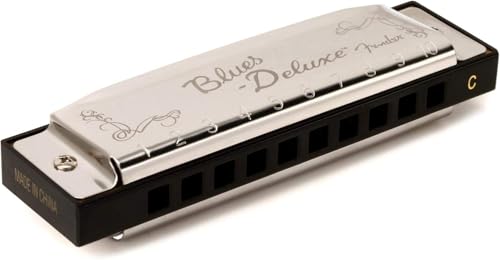
Best for players seeking a versatile, affordable C-key harmonica with a traditional shape and comfortable playability. The harmonica uses a molded PVC comb and brass reeds for a bright tone and tuning stability. Chromed metal covers offer a classic look and easy maintenance. This option is suitable for beginners and more experienced players who want a reliable instrument for blues and contemporary styles. Caution: durability is good, but the protective case may be basic for frequent touring.
EastRock 10 Hole Blues Harmonica C Key Black with Case
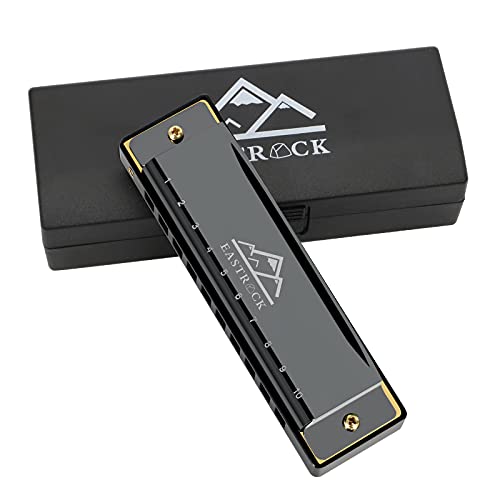
Best for beginners and intermediate players focusing on ease of use and sustainable practice. EastRock emphasizes a durable phosphor bronze reed setup with a stainless steel cover for comfort and longevity. The ABS resin comb is lip-friendly, aiding smooth articulation. An airflow splitter helps maintain stable air pressure, making it easier to learn bending and over-blow techniques. Choose this if you want a budget-friendly option without sacrificing playability.
Limitation: airflow mechanics may require a short break-in period for optimal response.
Hohner Special 20 Harmonica – Key of C

Best for players who want a refined balance of professional features and beginner-friendly access. The Special 20 uses a recessed reed plate integrated into the comb for an airtight seal and comfortable mouthpiece. It’s widely praised for smooth playability across genres, with tuning stability helpful for learning note bending and phrasing. This is a solid all-around choice for those who plan to progress from learner to intermediate playing. Caution: newer players may need time to adapt to the slightly firmer mouthfeel of the Special 20.
East Top Harmonica Key of C 10 Holes 20 Tones 008K

Best for players who want an extended tonal range within the classic 10-hole format. This East Top model emphasizes accurate tone, rich timbre, and responsive play. The 1.2mm reed plate and electroplating improve reed gap consistency, supporting precise articulation. Pocket-sized and portable, it’s suitable for travel and casual playing. Use this if you’re building a blues or folk repertoire and value a strong, consistent attack across holes.
Limitation: some players may prefer a lighter touch for very soft dynamics.
Buying Guide
What to consider when choosing a 10-hole diatonic harmonica in C
- Intended style: Blues, folk, and jazz players often prefer reeds and a vented cover that respond quickly to bending and overblows.
- Reed and comb materials: Brass reeds with a plastic comb offer bright tone and stable tuning; metal covers protect lips and extend durability.
- Playability: Mouthpiece design and air resistance affect ease of use for beginners and seasoned players alike. Look for a comfortable mouthpiece and airtight construction.
- Durability and portability: Pocket-sized models are ideal for travel. Consider cases and build quality if you tour or perform regularly.
- Maintenance: Some harmonicas benefit from routine cleaning and occasional reed adjustments to maintain tuning stability.
Frequently Asked Questions
- What makes a 10-hole harmonica in C good for beginners? Answer: A clear, responsive layout and a comfortable mouthpiece help new players learn notes and bending with less effort.
- Is a 10-hole diatonic enough for blues and folk? Answer: Yes, it’s a standard choice for blues, folk, and many pop styles, with effective bending and phrase control in C.
- What is the advantage of a recessed reed plate like in Special 20? Answer: It improves airtightness and comfort, aiding consistent performance.
- Should I choose a plastic comb or a wooden comb? Answer: Plastic combs are typically more moisture-resistant and durable, while wooden combs offer a traditional feel; both can be high quality.
- How important is the case? Answer: A sturdy case protects reeds and covers during transport and storage, extending instrument life.
- Can I upgrade from beginner to professional gear quickly? Answer: Yes, start with a forgiving model and progressively explore reeds, tuning, and embouchure to advance more rapidly.